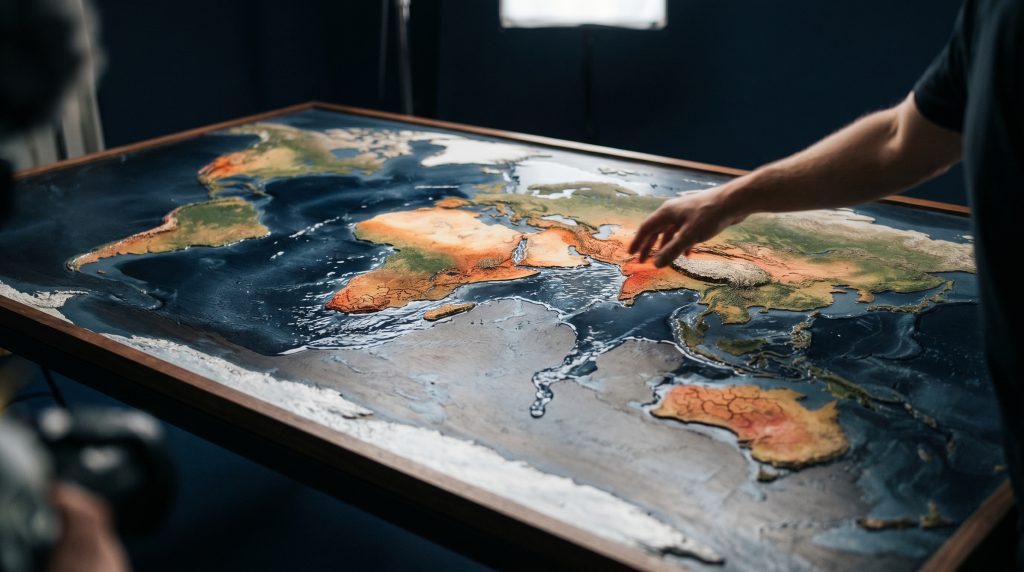
What is the top water conservation methods used in the USA?
These top water conservation methods not only safeguard freshwater resources but also ensure long-term ecological and economic sustainability.
Expert insights on water treatment, reverse osmosis, and purification systems
These top water conservation methods not only safeguard freshwater resources but also ensure long-term ecological and economic sustainability.
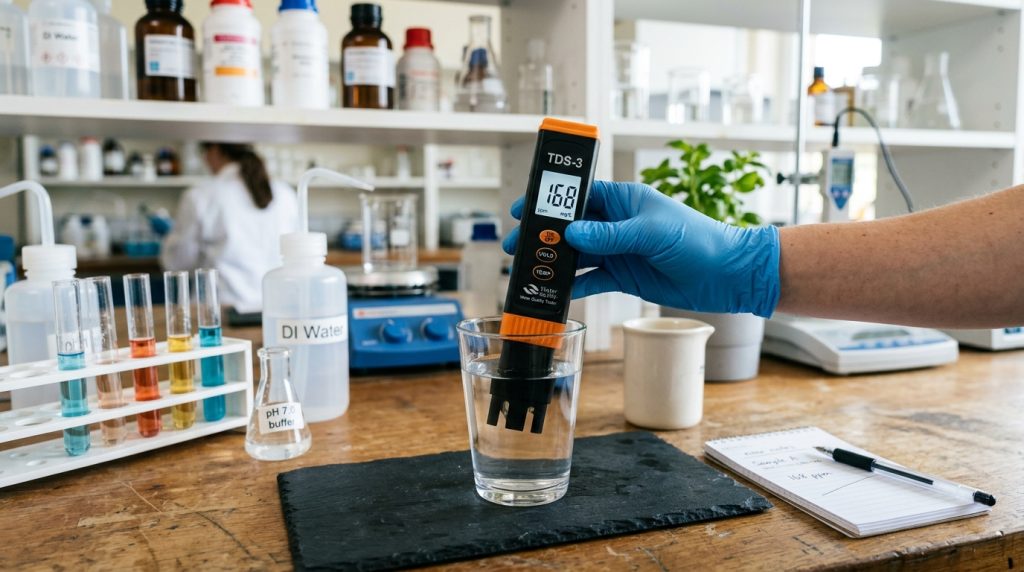
Contamination of karst aquifers by nitrate, chloride, and bacteria have been previously observed, but little knowledge is available on the presence of contaminants of emerging concern (CECs).
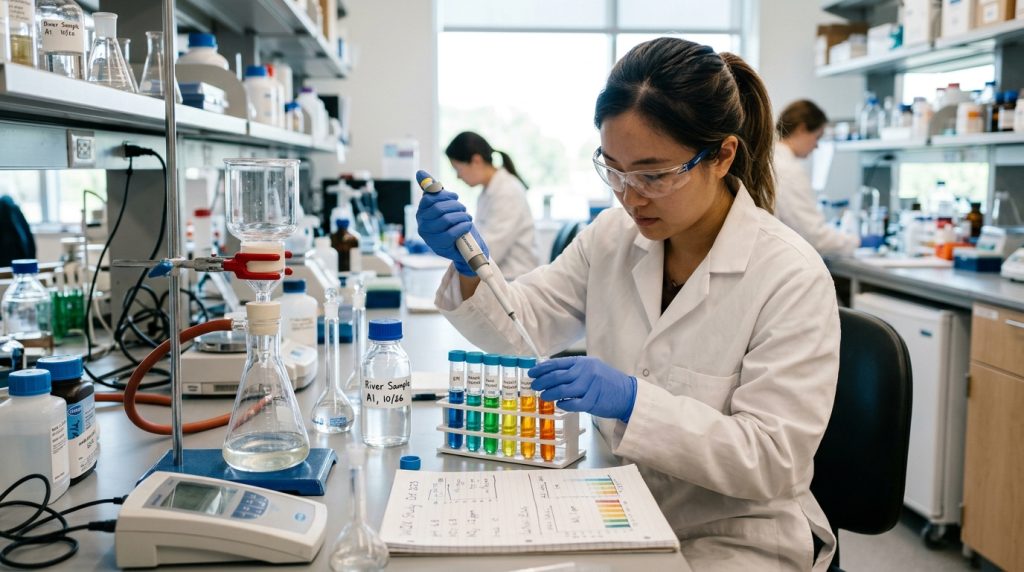
Despite growing concerns over the potential hazards for hydraulic fracturing to impact drinking water resources, there are limited data available to identify chemicals used in hydraulic fracturing fluids.
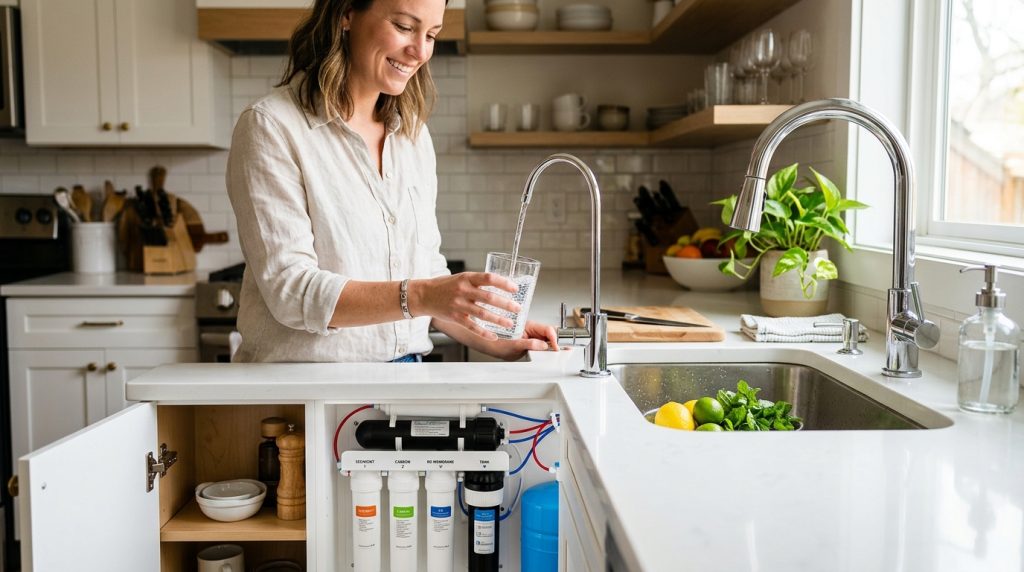
With the widespread application of plastic pipes in drinking water distribution system, the effects of various leachable organic chemicals have been investigated.
City water is treated with chlorine or chloramines to kill germs, and that disinfectant can leave an unpleasant smell and taste in your drinking water.
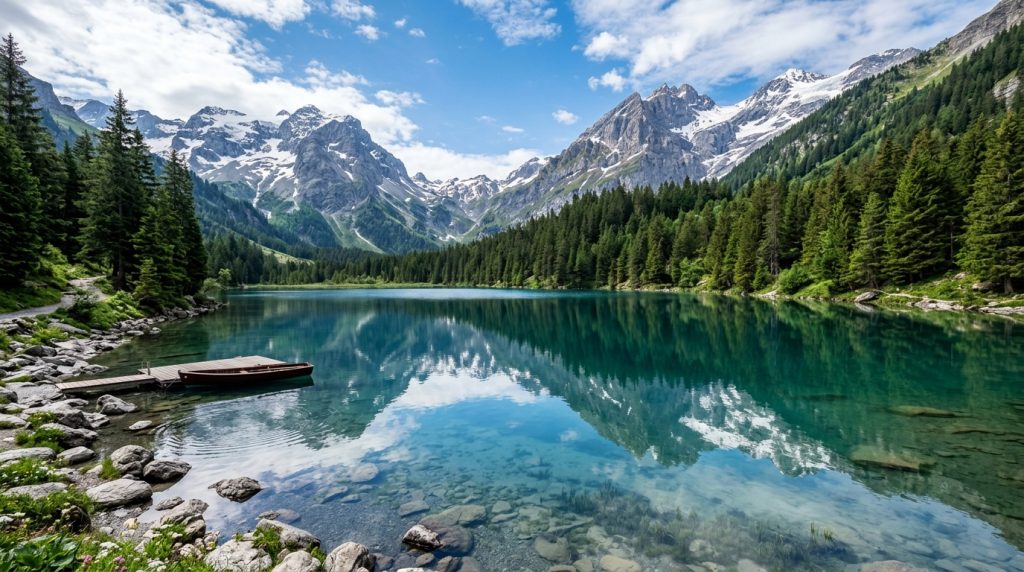
We collaborated with 26 groups from universities across the United States to sample 42 sites for 33 trace organic compounds (TOCs) in water and sediments of lotic ecosystems.
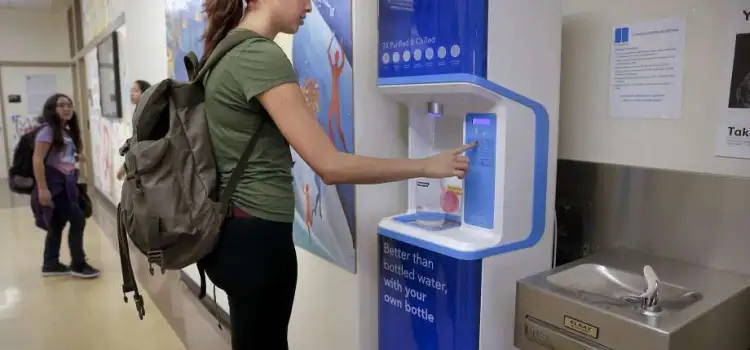
Hence, we see a huge necessity of water coolers installed in public places. As a thumb rule, it is the responsibility of the municipal authorities to make available such water coolers at the public places.
Water Work wonders!!! This is true for all the patients suffering from the terrible and one of the most painful health problems, i.e. arthritis.
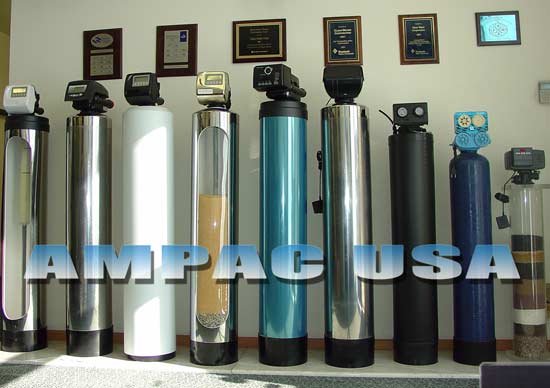
As per the above calculation, a water softener with the range of 24,000 or 32,000 will suffice. These configurations are the most widely used by average sized families across USA.
More often than not, a water softener alone will be a sufficient solution for addressing problems linked to a hard water supply.