
Water is a super important natural resource. Saving it is crucial for both our environment and our economy. All over the United States, people are putting water conservation methods to work in homes, businesses, factories, and farms. These strategies not only shrink our water use but also make sure future generations have clean, reliable water.
Smart Irrigation Systems for Agriculture
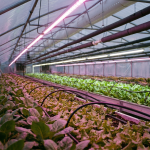
Agriculture uses a huge amount of water in the USA. Old-fashioned flood irrigation is out, and smart irrigation systems are in. These systems make the most of water by sending it right to plant roots.
Key Technologies Used:
- Drip Irrigation: Gives water slowly, precisely to plant roots.
- Soil Moisture Sensors: Checks soil wetness and changes irrigation schedules.
- Automated Irrigation Controllers: Connects to weather data to skip watering when it rains.
When farmers use precision agriculture, they cut down on water use and get better crop yields.
Read: Desalination and Conservation Are the Answer to Drought
Low-Flow Plumbing Fixtures
One of the best ways to save water at home is to install low-flow plumbing fixtures.
Common Fixtures Include:
- Low-flow showerheads: Use less than 2.0 gallons per minute.
- Dual-flush toilets: Let you pick a small or large flush.
- WaterSense-certified faucets: Reduce flow without losing pressure.
These updates are standard in new homes now, and many cities even offer rebates to encourage them.
Greywater Recycling Systems
Greywater is the wastewater from things like doing laundry, showering, and washing dishes. Instead of sending it down the drain to the sewage system, you can recycle it right there for non-drinking uses.
Applications of Greywater:
- Watering your yard
- Flushing toilets
- Cooling systems in commercial buildings
Cities like Los Angeles and San Diego have programs that encourage home greywater systems. This helps ease the load on local water treatment plants.
Rainwater Harvesting Systems
Rainwater harvesting catches runoff from rooftops and stores it for later. This really cuts down on how much municipal water you need.
Core Components:
- Catchment area (usually rooftops)
- Gutters and downspouts
- Storage tanks or cisterns
- Filtration systems for purification
In drought-prone states like Arizona and New Mexico, rainwater harvesting is part of building codes, and homeowners often get incentives to put these systems in.
Xeriscaping and Native Landscaping
Xeriscaping means designing your yard with plants that don’t need much water and using efficient irrigation. This works especially well in dry and semi-dry parts of the USA.
Key Principles of Xeriscaping:
- Using native plants
- Efficient irrigation techniques
- Mulching to keep soil moist
- Minimal turfgrass areas
Cities like Denver, Las Vegas, and Phoenix have adopted xeriscaping rules to stop people from using too much water on their yards.
Read:
Industrial Water Reuse Systems
Businesses have also started using closed-loop water reuse systems. This helps them use less water and save on operating costs.
Examples of Water Reuse in Industry:
- Cooling tower water recycling
- Steam condensate recovery
- Process water treatment for reuse
Companies in the automotive, textile, and food processing industries have led the way, building industrial-scale conservation systems that significantly reduce how much fresh water they take.
Leak Detection and Repair Programs
Hidden leaks in city water systems waste billions of gallons of water every year. Many US cities are now using smart leak detection technologies to fix this.
Techniques Used:
- Acoustic sensors to find underground pipe leaks.
- Pressure monitoring systems to spot sudden drops.
- SCADA (Supervisory Control and Data Acquisition) systems for real-time tracking.
These programs save cities money and conserve huge amounts of treated water. Why let it just disappear?
Public Awareness Campaigns and Education
Changing how people act is key to saving water long-term. Government groups, non-profits, and utility companies regularly run public awareness campaigns to encourage smart water use.
Campaign Strategies Include:
- Online tools to figure out your household water footprint.
- Workshops and webinars on how to save water.
- School programs that teach kids about water.
Programs like EPA’s WaterSense and Save Our Water (California) are now national examples for education and outreach.
Desalination Technology for Coastal Cities
To add to their freshwater supplies, especially during dry spells, some coastal cities have turned to <seawater desalination.
Key Features of Desalination Plants:
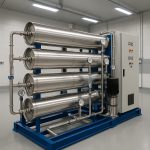
- Reverse osmosis membrane systems
- Pre-treatment filters to remove particulates
- Energy recovery devices to improve efficiency
Cities like Carlsbad, CA and Tampa Bay, FL have working desalination plants that produce millions of gallons of drinking water every day.
Advanced Metering Infrastructure (AMI)
Advanced metering lets utilities and customers see real-time water usage. This transparency helps people find leaks early and make smarter choices about how much water they use.
Benefits of AMI:
- Customer alerts for unusual water use
- Usage trend analysis
- Remote meter reading without manual visits
Utilities in cities like Austin, Texas and San Francisco have fully set up AMI systems, and they’ve seen real drops in water usage.
Stormwater Management and Green Infrastructure
Urban areas are putting more and more money into green infrastructure. This helps manage stormwater and refill underground water sources.
Common Strategies:
- Permeable pavements
- Rain gardens
- Green roofs
- Bioswales
These methods copy natural water flows, helping filter out pollutants and reducing the stress on drainage systems.
Federal and State Water Efficiency Regulations
At the policy level, both federal and state governments have passed rules that make water conservation mandatory.
Major Legislative Actions:
- The Clean Water Act promotes reusing and recycling treated wastewater.
- California’s SB 606 and AB 1668 set long-term efficiency standards for indoor and outdoor home water use.
- Building codes now require water-efficient plumbing in many states.
These rules provide the structure for all other conservation efforts.
Read:
Water-Efficient Appliances in Homes and Businesses
Swapping out old appliances for water-efficient models really helps cut down on water use.
Examples Include:
- High-efficiency washing machines
- Commercial dishwashers
- Ice machines with low water use
ENERGY STAR and WaterSense certifications guide consumers to the most efficient choices out there.
Aquifer Storage and Recovery (ASR)
Aquifer storage and recovery means pumping treated water into underground aquifers when there’s extra, then pulling it back out when water is scarce.
Advantages of ASR:
- Reduces evaporation losses
- Provides drought resiliency
- Improves groundwater levels
Florida and Texas have big ASR programs to secure water for cities and farms.
Top water conservation methods used worldwide:
Water Treatment: Water treatmentwastewater treatment plants can then be used for various industrial processes.
Reuse Grey Water: Grey water treatment is another way to save water. The water treated through this process can be reused for things like flushing the toilet etc.
Brand Water Cooler & Storage: Fix your leaks: waste water treatment to save the water and reuse again and again. They can also support the environment by dumping the waste water in plants.
Conclusion
The USA employs a diverse and integrated approach to water conservation, encompassing smart technologies, sustainable landscaping, industrial efficiency, and public engagement. These top water conservation methods not only safeguard freshwater resources but also ensure long-term ecological and economic sustainability. As climate variability increases, continued innovation and adoption of these practices will be vital to securing the nation’s water future.
AMPAC USA engineers custom water purification systems for commercial, industrial, and emergency applications — from 500 GPD to multi-million GPD. Trusted by municipalities, military, and industry worldwide.