

What are the Risks of Heavy Metals in Water?
Heavy metals are naturally occurring elements that can enter water sources through industrial discharge, mining activities, and agricultural runoff. These contaminants accumulate in the human body over time, causing health issues such as kidney damage, neurological disorders, and developmental delays. Therefore, addressing their removal is critical.Key Methods to Remove Heavy Metals from Drinking Water
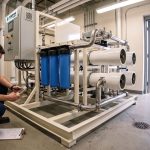
- Reverse Osmosis (RO) Systems
- Advantages:
- Removes up to 99% of heavy metals like lead, mercury, and arsenic.
- Enhances overall water taste and clarity.
- Applications: Ideal for household use and industrial water treatment.
- Activated Carbon Filtration
- Effectiveness: Best for removing mercury and organic compounds.
- Combination Use: Often paired with other filtration systems for enhanced results.
- Ion Exchange Systems
- Benefits:
- Long-lasting results with proper maintenance.
- Effective in hard water treatment.
- Limitations: Requires periodic resin regeneration.
- Distillation
- High Efficiency: Removes nearly all types of heavy metals.
- Energy-Intensive: Suitable for small-scale applications due to higher energy requirements.
- Electrocoagulation
- Applications: Frequently used in industrial wastewater treatment.
- Advantages:
- Environmentally friendly.
- Can treat large volumes of water efficiently.
Emerging Technologies in Heavy Metal Removal
Nanotechnology-Based Filters Nanotechnology is revolutionizing water treatment. Nanomaterials, such as graphene oxide and carbon nanotubes, provide enhanced adsorption capabilities for heavy metals.- Advantages:
- High efficiency in capturing minute contaminants.
- Durable and cost-effective in the long run.
- Best Use Cases: Particularly effective for arsenic removal.
- Future Potential: Promising for large-scale water purification systems.
Factors to Consider When Choosing a Water Treatment System
- Contaminant Levels
- System Maintenance
- Water Volume Requirements
- Budget Constraints
Additional Measures for Heavy Metal Prevention
- Source Protection: Prevent heavy metal contamination by minimizing industrial and agricultural runoff into water supplies.
- Regular Testing: Periodic water quality checks ensure timely intervention.
- Public Awareness: Educate communities about the risks and solutions for heavy metal contamination.
Frequently Asked Questions
How effective are Reverse Osmosis (RO) systems at removing heavy metals from water?
Reverse Osmosis systems are exceptionally effective, removing up to 99% of heavy metals like lead, mercury, and arsenic. AMPAC USA’s industrial-grade RO systems are engineered with advanced membranes to ensure superior contaminant rejection, meeting stringent global water quality standards for diverse applications from luxury resorts to military bases.
Can activated carbon filters remove lead and other heavy metals from drinking water?
Activated carbon filters are effective at adsorbing certain heavy metals, particularly mercury, and organic compounds. While they can reduce some lead, they are generally less effective for comprehensive heavy metal removal compared to RO systems. For optimal heavy metal removal, activated carbon is often used in combination with other advanced filtration technologies.
What are the primary health risks associated with heavy metals in drinking water?
Consuming water contaminated with heavy metals like lead, arsenic, mercury, and cadmium poses serious health risks, including kidney damage, neurological disorders, and developmental delays. These elements accumulate in the human body over time, making their removal critical for long-term health and well-being.
How does electrocoagulation work to remove heavy metals in industrial settings?
Electrocoagulation utilizes an electrical current to destabilize heavy metal ions and other contaminants in water, causing them to coagulate into larger, easily filterable particles. This environmentally friendly method is highly efficient for treating large volumes of industrial wastewater, a technology AMPAC USA engineers frequently deploy in complex projects like offshore oil rigs.
Is distillation a practical method for removing heavy metals from large volumes of drinking water?
While distillation is highly effective at removing nearly all types of heavy metals by boiling water and condensing the steam, it is generally energy-intensive. This makes it more suitable for small-scale applications rather than treating large volumes of drinking water efficiently. For industrial or municipal scale heavy metal removal, methods like reverse osmosis are far more practical and cost-effective.
Related Articles
- The Most Effective Way to Eliminate PFAS and PFOA from Your Drinking Water
- TDS Levels in Drinking Water: What They Mean and Why They Matter [Complete Guide]
- Tannins in Drinking Water: Causes, Health Effects, Signs & the Removal Solutions
- Biden-Harris Administration Announces $3 Billion for Lead Pipe Replacement to Deliver Clean Drinking Water
Conclusion
Reverse osmosis remains the most reliable single method here, pulling out up to 99% of heavy metals like lead, mercury, and arsenic, but it works best paired with the testing and prevention steps covered above rather than as a fix you install and forget. If you want to understand what’s actually showing up in your water before choosing a system, TDS Levels in Drinking Water: What They Mean and Why They Matter is a good place to start. Contact our team at info@ampac1.com or (909) 548-4900 to discuss heavy metal removal for your home or facility.
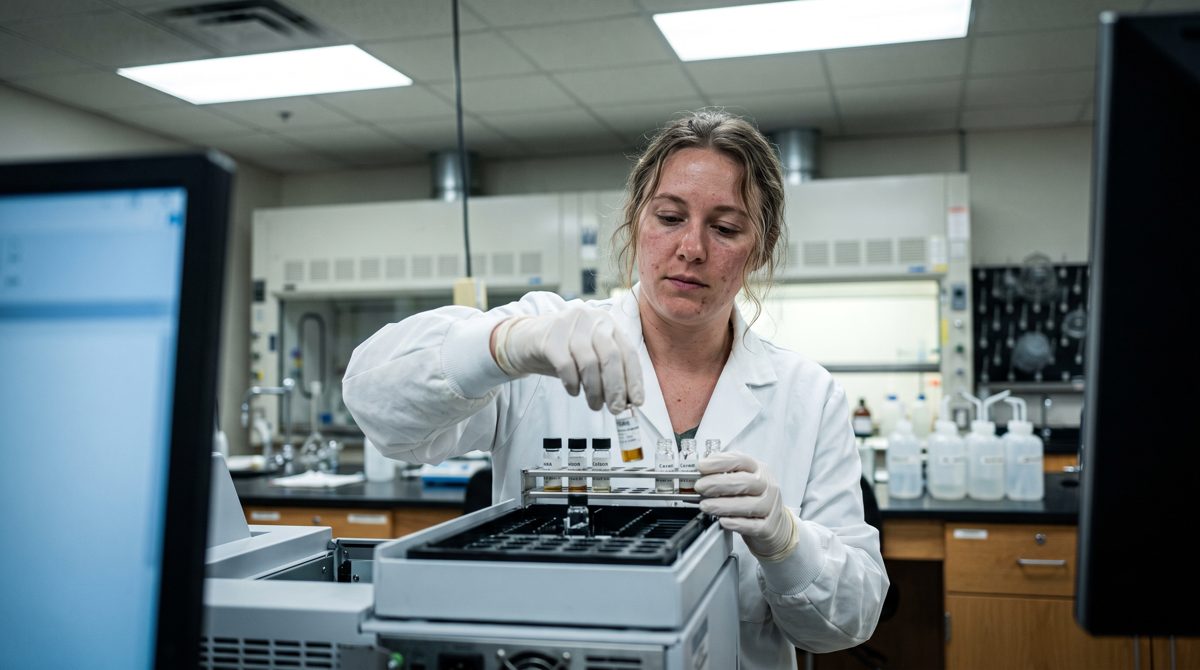
Send us your lab report. We match the treatment to the metals you actually have, from a point-of-use RO for the kitchen to a larger system for the whole building.
Related: 5-stage RO drinking water filter | Whole house RO systems | Commercial RO, 1,000 GPD