

PFAS are a group of thousands of synthetic chemicals used in industrial processes, firefighting foam, non-stick cookware, and water-resistant textiles since the 1940s. They are called forever chemicals because the carbon-fluorine bond at their core is among the strongest in organic chemistry. PFOA and PFOS, the two most studied PFAS compounds, have been detected in the blood of 97% of Americans, according to CDC biomonitoring data.
Why PFAS in Drinking Water Is a Priority Health Issue
In April 2024, the EPA finalized the first federal Maximum Contaminant Levels for PFAS in drinking water, setting MCLs for PFOA and PFOS at 4 parts per trillion. Health effects associated with long-term PFAS exposure include increased risk of kidney and testicular cancers, thyroid disease, immune suppression, elevated cholesterol, and adverse developmental outcomes during pregnancy. The Agency for Toxic Substances and Disease Registry has classified PFAS as a serious public health concern.
Which Treatment Technologies Actually Remove PFAS?
Not all water treatment methods remove PFAS. Standard water softeners, UV systems, and sediment filters are largely ineffective. Three technologies have demonstrated consistent PFAS removal in independent testing:
Reverse Osmosis: Most Effective
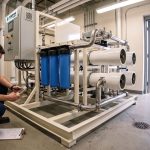
RO is the gold standard for PFAS removal at the point of use. The semi-permeable RO membrane physically rejects PFAS molecules due to their relatively large molecular size. Studies reviewed by the Water Research Foundation consistently show RO achieving 90-99% removal of PFOA, PFOS, and related compounds. Under-sink RO systems cost $200-$600 installed and protect specifically at the drinking water tap.
Activated Carbon Filtration: Effective With Caveats
Granular activated carbon and carbon block filters adsorb PFAS through the porous carbon surface. Effectiveness varies by carbon type, contact time, PFAS chain length, and filter saturation. Short-chain PFAS are harder to capture on carbon and may pass through at meaningful rates. Carbon filters for PFAS-affected water require more frequent replacement than standard schedules suggest.
NSF International Standard 53 and 58 testing protocols now include PFAS reduction as a certifiable claim. Selecting a certified product with verified PFAS reduction claims is strongly recommended.
Ion Exchange Resins: Highly Effective, Less Common Residentially
Anion exchange resins designed specifically for PFAS capture achieve very high removal rates, often above 99%, and are particularly effective for short-chain PFAS that carbon handles less reliably. These are currently more common in large-scale municipal treatment than in residential devices, but PFAS-selective ion exchange cartridges for home use are commercially available and gaining market adoption.
What Does NOT Remove PFAS
- Standard water softeners
- UV disinfection systems
- Sediment filters
- Boiling water (concentrates PFAS)
- Standard ceramic or mechanical filters
Testing Your Water for PFAS
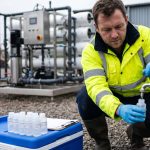
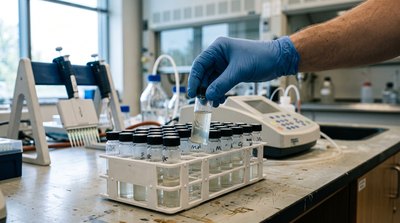
Tap water PFAS testing is available through state-certified laboratories, typically $150-$400 for a comprehensive panel covering 30 or more compounds. Check your state environmental agency or the EPA PFAS resources to determine whether your community has known contamination. Testing is advisable for private wells near industrial sites, military installations, or airports even without known contamination nearby.
AMPAC USA PFAS Filtration Systems
AMPAC USA manufactures residential and commercial reverse osmosis systems. EPA reports that RO membranes are typically more than 90 percent effective at removing a wide range of PFAS, but results depend on your water, so test before and after treatment. Systems range from under-sink residential units to commercial-scale installations. Contact AMPAC USA to discuss the right configuration for your needs.
Frequently Asked Questions
Does boiling water remove PFAS?
No. Boiling water does not remove PFAS. It actually concentrates them as water evaporates. Boiling is effective for microbiological contaminants but completely ineffective for dissolved chemical contaminants like PFAS, lead, and nitrates.
How do I know if my tap water has PFAS?
Contact your water utility and request their most recent water quality report. Public water systems are required to test and disclose PFAS under the new EPA rules. For private wells, commission your own test from a state-certified laboratory.
Is RO better than carbon for PFAS removal?
For most households, yes. RO provides higher and more consistent PFAS removal across a wider range of compound types, including short-chain PFAS that carbon handles less reliably. A multi-stage RO system with a carbon pre-filter provides the most comprehensive protection available at the residential scale.
Sources: EPA PFAS | ATSDR PFAS | Water Research Foundation | NSF International
Related Articles
- How to Effectively Remove Heavy Metals from Drinking Water
- PFAS Contamination Near Military Bases and Airports: Water Treatment Guide
- EPA PFAS Water Regulations 2024-2026: What Commercial Facilities Must Know
- TDS Levels in Drinking Water: What They Mean and Why They Matter [Complete Guide]
Conclusion
Of the treatment options covered here, reverse osmosis stands out as the most consistently effective way to strip PFAS and PFOA out of drinking water, since it removes the compounds by size rather than relying on adsorption capacity that eventually saturates the way activated carbon does. If you’re unsure where your water stands, testing first is worth the small upfront cost — it tells you whether you’re dealing with trace levels or more serious contamination. For more on what regulators now require, see our guide to EPA PFAS regulations. Contact our team at info@ampac1.com or (909) 548-4900 to talk through PFAS filtration options for your home or facility.
PFAS Removal from Drinking Water: Technology Comparison and Selection
PFAS (per- and polyfluoroalkyl substances) are a family of over 12,000 synthetic compounds characterized by the extremely strong carbon-fluorine bond that makes them resistant to environmental degradation — earning them the name “forever chemicals.” PFAS contamination of drinking water is widespread: the Environmental Working Group estimates that over 200 million Americans consume water with detectable PFAS. The primary sources are AFFF (aqueous film-forming foam) firefighting agents used at military bases and airports, industrial manufacturing (particularly PTFE/Teflon manufacturing), and consumer product manufacturing using PFAS as processing aids or surface treatments.
The EPA’s April 2024 final rule establishing MCLs for six PFAS compounds — PFOA and PFOS at 4 ppt individually, PFNA and PFHxS at 10 ppt, HFPO-DA (GenX) at 10 ppt, and PFBS as part of a hazard index mixture — represents a significant regulatory milestone. These are extremely low concentrations: 4 ppt is 4 micrograms per billion liters. Achieving compliance requires either granular activated carbon (GAC) or anion exchange (AIX) treatment at the utility scale, or point-of-use treatment at individual homes.
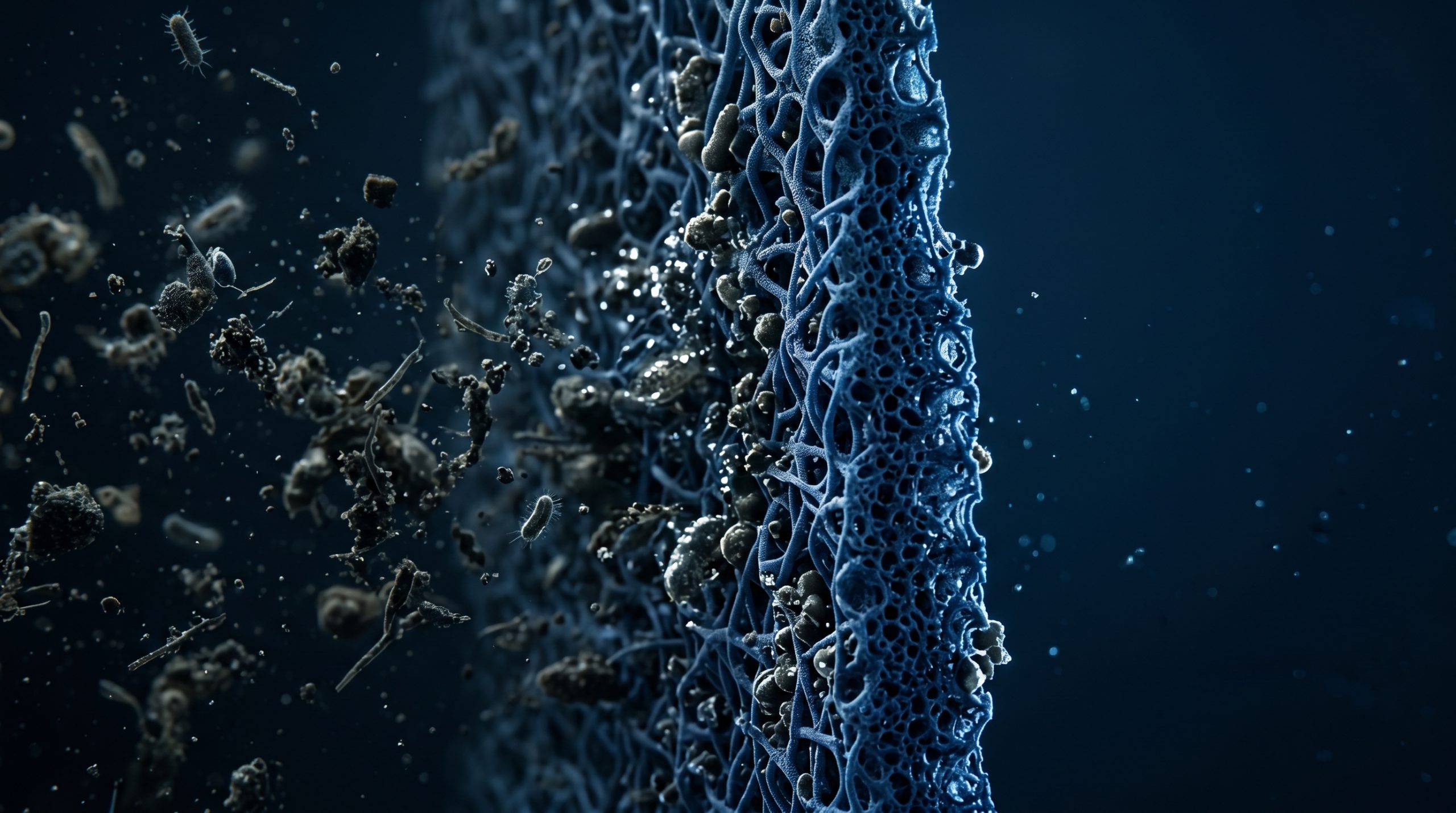
Point-of-use reverse osmosis achieves PFAS removal through physical size exclusion and charge repulsion at the membrane surface. A comprehensive NSF P473 certification (the specific standard for PFOA and PFOS reduction in POU systems) verifies RO membrane rejection of both compounds below 70 ppt (in 2024 updated to below the new MCLs). Research studies confirm RO achieves 90-99%+ removal of both long-chain and short-chain PFAS. Activated carbon pre-filtration in RO systems provides additional PFAS adsorption capacity before the membrane. RO systems with enhanced carbon filtration are one of the treatment options for point-of-use PFAS removal, and AMPAC USA can help you choose one for your water.
Frequently Asked Questions
What are PFAS chemicals and why are they a health concern?
PFAS are a group of thousands of synthetic chemicals, often called ‘forever chemicals’ due to their extremely strong carbon-fluorine bonds. Long-term exposure is linked to serious health issues like increased risk of kidney and testicular cancers, thyroid disease, and immune suppression. The EPA finalized a 4 parts per trillion (ppt) Maximum Contaminant Level for PFOA and PFOS in drinking water due to these risks.
What is the EPA’s maximum contaminant level for PFAS in drinking water?
In April 2024, the EPA finalized the first federal Maximum Contaminant Levels (MCLs) for PFAS in drinking water. The MCLs for PFOA and PFOS, two common PFAS compounds, are set at 4 parts per trillion (ppt) each. This standard aims to protect public health from the adverse effects of long-term exposure.
How effective is reverse osmosis (RO) at removing PFAS from drinking water?
Reverse osmosis is considered the gold standard for PFAS removal at the point of use, consistently achieving 90-99% removal of PFOA, PFOS, and related compounds. Its semi-permeable membrane physically rejects PFAS molecules due to their relatively large size. AMPAC USA engineers recommend RO systems with activated carbon pre-filtration for optimal performance below EPA’s 4 ppt MCL.
Can activated carbon filters remove PFAS from water?
Yes, activated carbon filters, including granular activated carbon (GAC) and carbon block, can adsorb PFAS. Their effectiveness varies based on carbon type, contact time, and the specific PFAS chain length, with short-chain PFAS being harder to capture. Filters for PFAS-affected water require more frequent replacement than standard filters to maintain performance, especially if NSF Standard 53 certified for PFOA/PFOS.
Which common water treatment methods do not remove PFAS?
Standard water softeners, UV purification systems, and basic sediment filters are largely ineffective at removing PFAS from drinking water. These technologies are designed to address other contaminants like hardness minerals, bacteria, or particulate matter, but they do not target the persistent chemical structure of PFAS compounds.
AMPAC USA engineers custom water purification systems for commercial, industrial, and emergency applications — from 500 GPD to multi-million GPD. Trusted by municipalities, military, and industry worldwide.