

The Rising Demand for Freshwater
Water scarcity, defined as the imbalance between the availability of freshwater resources and the demand for water, affects one in three people globally. With the ongoing effects of climate change, the situation is expected to worsen, threatening water security, human health, and economic development. Arid and semi-arid regions, such as the Middle East and North Africa, are particularly vulnerable to water scarcity due to their limited freshwater resources and rapidly growing populations.
Seawater Desalination: A Promising Solution
Seawater desalination, the process of removing salts and other impurities from seawater to produce potable water, has emerged as a viable solution to help meet the increasing demand for freshwater. Advancements in desalination technologies, such as reverse osmosis and electrodialysis, have resulted in significant improvements in energy efficiency and cost-effectiveness. This has made desalination an attractive option for water-stressed countries and regions.
The Role of Desalination in Arid Regions
In arid regions, desalination has the potential to play a crucial role in addressing water scarcity. Countries like Israel, Saudi Arabia, and the United Arab Emirates have already made significant investments in desalination infrastructure, successfully reducing their reliance on non-renewable groundwater sources. These countries have demonstrated that large-scale desalination projects can not only help secure water supplies but also contribute to sustainable development and economic growth.
Desalination and Sustainable Development
The implementation of desalination projects can contribute to achieving the United Nations Sustainable Development Goals (SDGs), particularly SDG 6, which aims to ensure the availability and sustainable management of water and sanitation for all. By providing a reliable source of clean water, desalination can improve public health, support agricultural production, and drive industrial growth.
However, desalination is not without its challenges. Environmental concerns, such as the disposal of highly concentrated brine and the energy-intensive nature of the process, must be addressed. Continued research and development in desalination technologies, along with the implementation of environmentally friendly practices, can help mitigate these concerns and pave the way for a more sustainable future.
Protecting Marine Ecosystems from Desalination’s Environmental Impacts: Mitigation
Strategies for a Sustainable Future
The increasing demand for freshwater resources has driven a surge in seawater desalination projects worldwide. While desalination can significantly contribute to addressing water scarcity, it can also have adverse effects on marine ecosystems. Seawater desalination plants may negatively impact marine life through increased salinity levels and thermal pollution. This article discusses the environmental impacts of desalination and explores potential mitigation strategies to minimize these effects and protect marine ecosystems.
Desalination’s Impact on Marine Ecosystems
Seawater desalination plants draw in large volumes of seawater, which can lead to the impingement and entrainment of marine organisms. Impingement occurs when larger organisms are trapped against intake screens, whereas entrainment happens when smaller organisms, such as plankton and larvae, are drawn into the desalination system. Both processes can result in injury or death for the affected marine life.
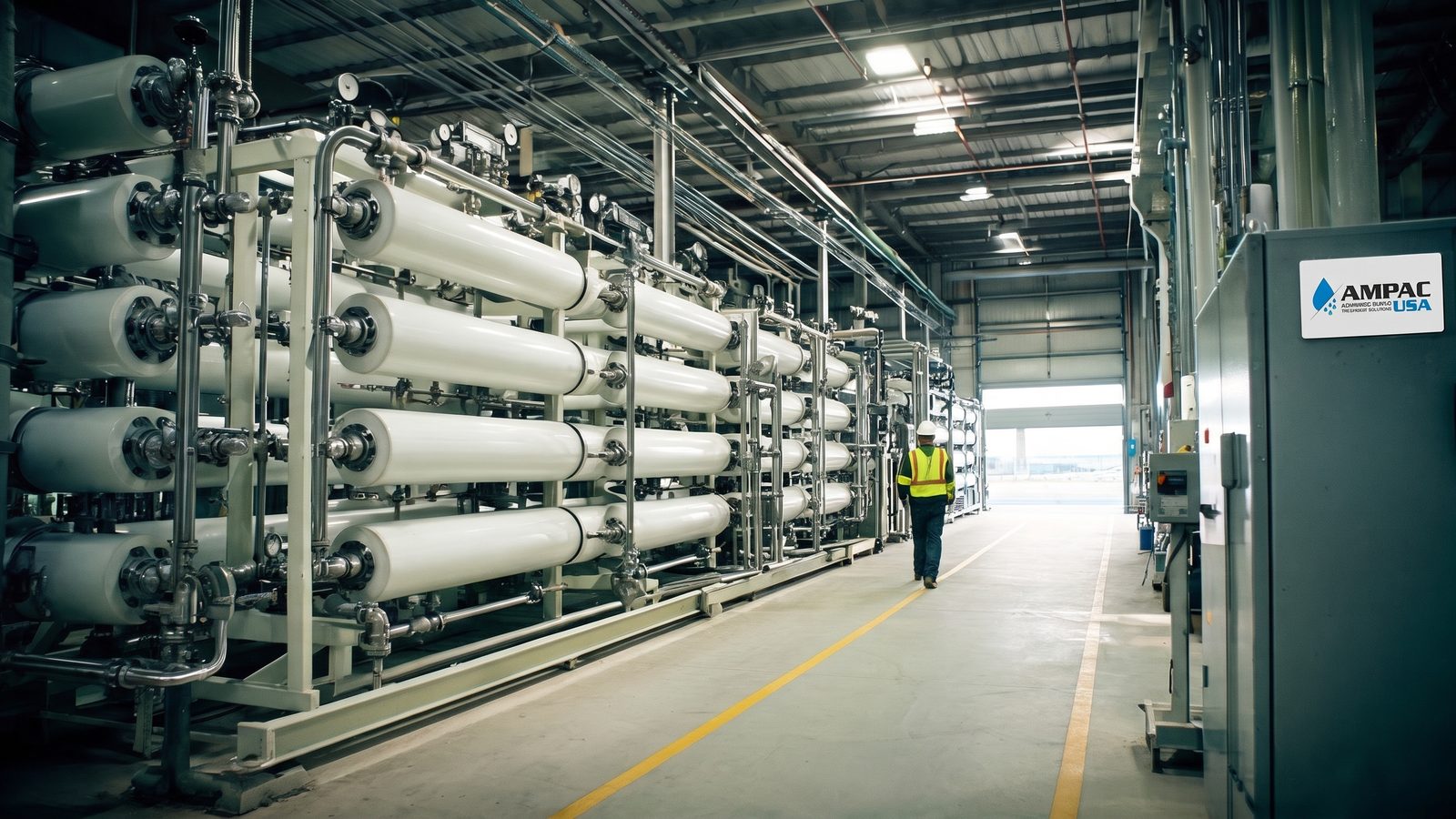
Desalination plants produce highly concentrated brine as a byproduct, which is typically discharged back into the ocean. This brine discharge can increase salinity levels and lead to thermal pollution, negatively affecting marine organisms’ behavior, reproduction, and survival.
Mitigation Strategies
1. Intake design and location: By carefully designing and positioning intake structures, desalination plants can minimize impingement and entrainment risks. Subsurface intakes or the use of wedge wire screens can help reduce the number of marine organisms drawn into the system. Additionally, locating intake structures in areas with lower marine biodiversity can help protect sensitive ecosystems.
2. Brine dilution and discharge: Mixing brine with treated wastewater or power plant cooling water before discharging it into the ocean can help reduce its salinity and temperature. This approach can mitigate the impacts of brine discharge on marine ecosystems. Furthermore, discharge structures can be designed to promote rapid dilution and dispersion of brine in the surrounding seawater.
3. Monitoring and adaptive management: Regular monitoring of the environmental impacts of desalination plants is essential to identify and address any unforeseen consequences. By implementing adaptive management practices, plant operators can modify their operations in response to changing conditions or new information, minimizing potential harm to marine ecosystems.
4. Energy-efficient desalination technologies: Adopting energy-efficient desalination technologies can help reduce the overall environmental footprint of desalination plants. For example, utilizing renewable energy sources, such as solar or wind power, can significantly lower greenhouse gas emissions associated with desalination processes.
5. Environmental impact assessments: Conducting comprehensive environmental impact assessments (EIAs) before the construction of desalination plants can help identify potential risks to marine ecosystems and guide the implementation of appropriate mitigation measures.
Conclusion
Seawater desalination has the potential to alleviate global water scarcity, but its impacts on marine ecosystems cannot be ignored. By implementing mitigation strategies, such as improving intake designs, diluting and managing brine discharge, and adopting energy-efficient technologies, the environmental impacts of desalination plants can be minimized. As we continue to rely on desalination to meet our growing freshwater needs, it is crucial to balance the benefits of this technology with the preservation and protection of marine ecosystems.
Talk to the Experts at AMPAC USA
You can talk to the water quality experts at AMPAC USA. Founded in 1994, AMPAC USA has been designing, deploying, and maintaining advanced, reliable, robust, and cost-effective water treatment solutions for decades.
From offering seawater desalination systems to emergency portable watermakers, residential reverse osmosis to commercial reverse osmosis water, brackish water reverse osmosis to solar power water systems, and mobile water provisioning systems to industrial reverse osmosis systems, AMPAC USA does it all.
AMPAC USA also offers type 1 laboratory water, water quality monitor systems, water softeners & conditioners, and wastewater treatment solutions. You can choose the products you like best or need and place an order today to ensure quick deliveries. Our team will be happy to assist you find the right solution according to your pure water needs after asking you a few simple questions.
For more information, visit https://www.ampac1.com/ or call +1 (909) 548-4900.
Read more article:
The Importance of Seawater Desalination in Todayu{2019}s World
What is Seawater Desalination
Frequently Asked Questions
What is desalination and how does it work?
Seawater desalination is the process of removing salts and impurities from seawater to produce potable water. The most common method, reverse osmosis, uses high pressure to force water through semi-permeable membranes, leaving contaminants behind. AMPAC USA designs and manufactures advanced reverse osmosis systems, leveraging over 30 years of field experience to deliver reliable freshwater solutions.
Which regions benefit most from desalination technology?
Desalination is particularly crucial for arid and semi-arid regions with limited natural freshwater resources, such as the Middle East and North Africa. Countries like Israel, Saudi Arabia, and the UAE have successfully implemented large-scale desalination projects to secure their water supplies. AMPAC USA has extensive experience deploying robust water purification systems, including many water-stressed environments.
What are the primary benefits of using desalination to address water scarcity?
Desalination provides a reliable, drought-proof source of potable water, significantly enhancing water security for populations and industries. It reduces reliance on dwindling non-renewable groundwater sources and supports sustainable development and economic growth. Our commercial and industrial reverse osmosis systems are engineered to ensure a consistent, high-quality water supply for critical applications worldwide.
What specific technologies are used in modern desalination plants?
Modern desalination primarily utilizes reverse osmosis (RO) technology, which efficiently removes dissolved salts and impurities from seawater. Electrodialysis is another method, though less common for large-scale seawater desalination. AMPAC USA specializes in designing and manufacturing high-performance commercial and industrial reverse osmosis systems, built on decades of direct field experience in diverse global installations.
How does desalination contribute to sustainable development?
Desalination directly contributes to achieving the United Nations Sustainable Development Goal 6 (SDG 6) by ensuring the availability and sustainable management of water and sanitation for all. By creating new freshwater sources, it alleviates pressure on natural ecosystems and supports long-term economic stability in water-stressed regions. AMPAC USA’s durable and efficient systems provide sustainable water solutions for municipalities and industries, promoting resilience against water scarcity.
Related Articles
- Ampac USA Sea Water Desalination Watermakers for the South-Korean Navy
- Seawater Desalination Systems: Turning the Tide on Global Water Scarcity
- Global Water Crisis Fueling more conflicts, UN Report Warns
- The Connection Between Seawater Desalination And Water Crisis
Conclusion
Desalination isn’t a silver bullet for the global water crisis, but in arid and water-stressed regions where groundwater is already overtaxed, it’s often the most reliable option on the table: drought-proof, scalable, and no longer as energy-hungry as it used to be. Countries like Israel, Saudi Arabia, and the UAE have proven the model works at national scale. We look at where the technology is headed next in seawater desalination systems and the fight against global water scarcity. AMPAC USA has deployed reverse osmosis systems, including many of the world’s most water-stressed regions. Reach us at info@ampac1.com or (909) 548-4900 to discuss your desalination or water security needs.
AMPAC USA engineers custom water purification systems for commercial, industrial, and emergency applications — from 500 GPD to multi-million GPD. Trusted by municipalities, military, and industry worldwide.