
4 Common Household Products That Can Pollute Your Water Supply
We often unknowingly purchase and bring home products that are not extremely useful. In fact, we don’t realize that these products may harm the water supply, people’s health, and even the environment. So, it is a smart idea to keep yourself updated on which products are harmful so that you can switch to safer alternatives. To help you out, we have created a list of 4 common household products that can pollute your water supply.
1. Insecticides and Pesticides
Many people don’t realize it, but the insecticides they use to get rid of rodents, cockroaches, mites, lice, and bedbugs, among others, can threaten your water supply and overall health and well-being. Frequently using insecticides means a bigger threat.
Prevention is better than cure. It would help if you tried to avoid pests and insects by cleaning your home regularly and sealing all the entry points they can possibly use. You can also consider environment-friendly natural pesticides and insecticides.
2. Car Care Products
Some common products needed for car maintenance like brake fluid, gasoline, antifreeze, and motor oil are not good for your water supply and the environment if they are not disposed of properly. If these liquids drip and seep into the ground, they can contaminate groundwater and badly impact your household water supply. These toxic liquids can impact the municipal storm drains also and contaminate local waterways.
So, it is smart to buy an earth-friendly alternative for washing your car. Pick biodegradable and petroleum-free products. If you have a well, make sure that you wash your vehicle about a one hundred feet away from the wellhead.
3. Medications
Medications that are not disposed of properly can contaminate the water supply. Sometimes, they can enter the tap water and impact the health and well-being of people. The medications that can harm the water supply range from sedatives to antibiotics.
A smart way to avoid it is to make it a habit not to throw unused or expired medications like normal trash. Instead, turn them in during the Take Back Days to safely dispose of them. The U.S. Food & Drug Administration (FDA) ‘s website offers several tips and guidelines on the safe disposal of medicines.
4. Personal Hygiene Products
Products that you use to maintain your personal hygiene, such as soaps, lotions, body scrubs, fragrances, microbeads, etc., can impact normal hormone production. They can often end up in the water supply and harm not only humans but wildlife as well.
So, you should avoid personal care products that contain microbeads as they pass through sewage treatment plants and lead to plastic particle water pollution. Also, consider switching to environment-friendly personal care products for good.
Make Sure Your Water is Pure with AMPAC USA
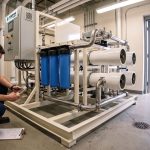
To ensure your water is pure and 100% contamination-free, trust AMPAC USA. We provide reverse osmosis water treatment systems.
To know more, call AMPAC USA at 909-548-4900 or visit us here.
Reference:
https://cwrenviro.com/blog/household-products-that-pollute-your-water-supply/
Related Articles
- Common Mistakes to Avoid in Water Purification: Precautions to Take
- PFAS Contamination Near Military Bases and Airports: Water Treatment Guide
- EPA PFAS Water Regulations 2024-2026: What Commercial Facilities Must Know
- Water Treatment for Food and Beverage Manufacturing: RO Systems and FDA Compliance
Conclusion
The chemicals that end up in groundwater rarely arrive there on purpose: a flushed prescription, an over-applied fertilizer, a car washed too close to a well. That’s exactly why point-of-use filtration matters even in areas with decent municipal treatment. Activated carbon and RO membranes catch a meaningful share of these household-sourced contaminants before they reach your glass. If you want to avoid common pitfalls when setting up filtration at home, we’ve covered that in common mistakes to avoid in water purification. Contact AMPAC USA at info@ampac1.com or (909) 548-4900 to talk through protecting your water supply from everyday household contaminants.
Household Chemical Sources of Drinking Water Contamination
Many households unknowingly contribute to drinking water contamination through everyday product use and improper disposal. Fertilizer application on lawns and gardens introduces nitrates and phosphates that leach through soil into groundwater. For households on private wells, this can create direct contamination; for municipal water users, agricultural and suburban runoff collectively affects surface water sources used for drinking water supply. The EPA Maximum Contaminant Level (MCL) for nitrate is 10 mg/L as nitrogen — a level that causes methemoglobinemia (blue baby syndrome) in infants when exceeded.
Pharmaceutical disposal is a growing concern. Studies by the US Geological Survey have detected low concentrations of antibiotics, hormones, pain relievers, and psychiatric medications in both surface waters and some groundwater sources. While concentrations are generally below established risk levels, the long-term, cumulative, and mixture effects of pharmaceutical micro-contaminants remain an active research area. The proper disposal method for most medications is designated pharmaceutical take-back programs — not the toilet or sink, which allows these compounds to enter wastewater systems that are not designed to remove them.
Personal care products including antimicrobial agents (triclosan), synthetic fragrances, and microplastic beads from exfoliants enter wastewater after household use. Triclosan, once ubiquitous in antibacterial soaps, was banned by the FDA in 2016 for most uses due to concerns about endocrine disruption and antibiotic resistance contribution. Activated carbon filtration and RO membranes provide meaningful reduction of many of these emerging contaminants at the point of use, offering protection independent of regulatory timelines.
Frequently Asked Questions
What types of water filtration effectively remove common household chemical pollutants?
Activated carbon and reverse osmosis (RO) filtration are highly effective at removing a wide range of common household chemical pollutants from drinking water. Activated carbon excels at adsorbing organic chemicals, while RO systems, like those designed by AMPAC USA, utilize a semi-permeable membrane to block contaminants such as nitrates from fertilizers, pharmaceuticals, and pesticides at a molecular level, providing purified water at the point of use.
How do common car care products pollute groundwater?
Car care products like motor oil, antifreeze, brake fluid, and gasoline contain toxic chemicals. If improperly disposed of or allowed to drip and seep into the ground, these liquids can contaminate groundwater aquifers. This contamination can then impact private well water supplies and municipal storm drains, leading to broader environmental and health concerns.
Can flushing unused medications contaminate my tap water?
Yes, flushing unused or expired medications down the toilet can introduce active pharmaceutical ingredients, ranging from antibiotics to sedatives, into the municipal water system. While water treatment plants remove some contaminants, many pharmaceuticals are not fully eliminated, potentially entering tap water and impacting human health and aquatic ecosystems. Proper disposal through designated ‘Take Back Days’ is crucial.
How far away from a well should I wash my car to prevent water contamination?
To prevent contamination of your well water supply, it is recommended to wash your vehicle at least 100 feet away from the wellhead. This distance helps ensure that runoff containing soaps, detergents, and other car care product residues does not seep into the ground and compromise the quality of your groundwater. Using biodegradable, petroleum-free products further minimizes risk.
What are the risks of insecticides and pesticides to drinking water?
Insecticides and pesticides, used to control pests like rodents and insects, contain chemicals that can leach into the soil and contaminate groundwater and surface water sources. These contaminants, such as nitrates from certain fertilizers, can then enter the drinking water supply, posing potential health risks to people and disrupting aquatic ecosystems. Opting for natural alternatives and proper home hygiene can reduce reliance on these chemicals.
AMPAC USA engineers custom water purification systems for commercial, industrial, and emergency applications — from 500 GPD to multi-million GPD. Trusted by municipalities, military, and industry worldwide.