

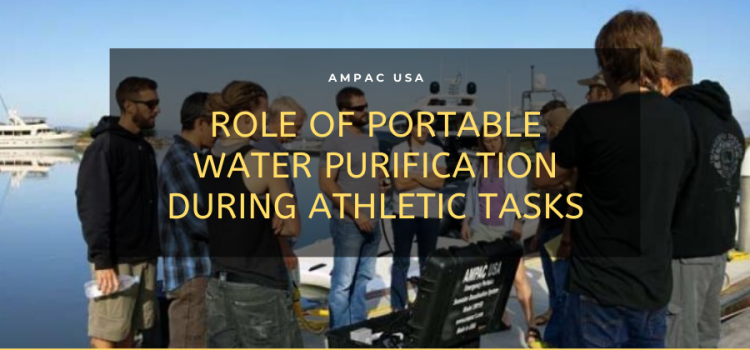

People often underestimate the role of Portable Water Purification during athletic tasks. It is not a smart thing to do as athletic tasks like hiking, biking, climbing, etc. needs a lot of effort and the lack of water while doing these activities can lead to dehydration and sap your energy.
If you also prefer to indulge in such adventurous activities, keep scrolling to know the role of portable water purification during athletic tasks.
How Much Water Do You Need?
Before even thinking about buying portable water purification systems, people wonder how much water they need during a hike or a similar activity. Well, it depends on many factors such as your age, your sweat rate and the body type you have. It also depends on external factors like the weather, duration of the hike, the slope, and the intensity level.
The general rule is to ensure that you drink half a liter of water per hour if you are doing a moderate activity at a moderate temperature. You can increase or decrease the consumption if there is an increase or decrease in the temperature and the intensity of your activity. For instance, if you are hiking intensely for an hour in extreme heat, you might need about a liter of water every hour to keep your energy levels up and ensure that your body is hydrated. If you do athletic activities consistently, you will develop an instinct of knowing when your body needs water.
Where to Place the Water?
If you have chosen to depend on portable water purification, you can add the device to your backpack and pull it out for use whenever needed. Make sure that you store the device right and are able to use it easily. Read the instruction manual carefully to ensure that you don’t make mistakes.
Not Just Water is Smarter
Once you have access to pure water, your next attempt should be to replace the electrolytes you are losing due to sweating. If you lose too many electrolytes and don’t replace them, it might impact your performance. Your focus should be on replacing sodium, potassium, calcium and magnesium. The simplest way to do this is to carry convenient powders and tablets that you can dissolve in pure water from the portable water purification system. Just follow the instructions for mixing and consuming carefully so that you don’t make mistakes.
Simple Hydration Tips
When you are at an altitude, try to drink more water because the craving for water reduces at high altitudes and you might not feel thirsty even though your body might feel the need for more water. It is probably why the demand for emergency mobile water treatment options is higher at regions with high altitudes that lack access to pure water.
Weather doesn’t matter when you are doing any athletic tasks. You might feel less thirsty in winters., but the fact remains that your body needs a lot of water in winters as well. So, drink up regularly to avoid dehydration.
Some smart adventure seekers choose the option of pre-hydrating before starting an activity like a hike or rope climbing. It is also a smart idea because it reduces the need to take more water breaks. You can pre-hydrate about 2 hours before starting the activity.
After the activity is over, like you have reached the point you were hiking to reach, it’s smart to use a device like emergency mobile water treatment system to get pure water and rehydrate the body by replacing the fluids you lost when you were hiking.
In case you lose track of time while indulging in athletic activity, make sure that you keep a timer on or use an app that reminds you to drink water.
Avoid Dehydration
A portable water purification device will play a key role in making water from any source like a stream or a lake contamination-free. It is also essential to help you stay away from dehydration. In most cases, dehydration occurs when you lose body fluids due to reasons like sweating. When you are thirsty, it means that dehydration has already started. You can change it back to normal by drinking water.
As someone who sweats a lot during athletic tasks, you should keep an eye out for the common signs of dehydration like dry mouth, thirst, lower energy levels, nausea, headaches, cramps, etc. Some other signs include mumbling, stumbling, fumbling, grumbling, dark urine and low performance, among others.
Final Words
If you are looking for a reliable brand to provide you with emergency mobile water treatment or portable water purification, trust AMPAC USA. We have decades of experience in creating advanced, easy to use and space-savvy ware treatment systems that are reliable, durable and long-lasting. To buy one today, just call 909-548-4900.
Source
https://www.rei.com/learn/expert-advice/hydrate.html
Frequently Asked Questions
How much water should I drink during outdoor athletic activities?
The amount of water needed varies based on factors like age, sweat rate, weather, and activity intensity. A general guideline is to consume half a liter (0.5L) of water per hour for moderate activity in moderate temperatures. For intense activities in extreme heat, you may need up to a liter (1L) per hour to maintain hydration and energy levels.
Why is portable water purification important for athletes?
Portable water purification is crucial for athletes engaging in activities like hiking, biking, or climbing because it ensures access to safe drinking water, preventing dehydration and energy depletion. Relying on a portable system allows you to replenish fluids from natural sources, which is essential for sustained performance and health during prolonged athletic tasks.
What electrolytes should I replace after sweating during exercise?
After significant sweating during athletic tasks, it’s important to replace key electrolytes to maintain performance. Focus on replenishing sodium, potassium, calcium, and magnesium. These can be conveniently replaced by dissolving electrolyte powders or tablets in purified water from your portable system, following manufacturer instructions.
Does altitude affect hydration needs during athletic tasks?
Yes, altitude significantly impacts hydration needs. At higher altitudes, the body’s craving for water often decreases, making you less likely to feel thirsty even when dehydrated. It is crucial to consciously increase your water intake when exercising at altitude to prevent dehydration and maintain optimal physical and cognitive function.
Where should I store a portable water purification device during athletic activities?
For ease of access and proper function, a portable water purification device should be stored securely in your backpack. Ensure it’s placed in a way that allows for easy retrieval when needed. Always read the instruction manual carefully to understand proper storage and usage, preventing damage and ensuring effective purification.
Related Articles
- WASH Services and Portable Water Purification During COVID19
- Need for Portable Water Purification During COVID-19 Crisis
- What Is Reverse Osmosis? The Complete 2026 Guide to RO Water Purification
- Solar Desalination vs. Traditional RO Systems: Which Is Better for Water Purification?
Conclusion
Dehydration sneaks up fast during hikes, rides, or climbs, and carrying enough bottled water for a full day out isn’t always practical once you factor in weight and pack space. A portable water purification system solves that by letting you treat water from streams or other sources along the way instead of hauling it all in from the start. It’s a small piece of gear that matters more than people expect until they’re the ones running low a few miles from the trailhead. Check out our complete guide to reverse osmosis purification, or contact info@ampac1.com or (909) 548-4900 if you want help picking a portable system for your next trip.
AMPAC USA engineers custom water purification systems for commercial, industrial, and emergency applications — from 500 GPD to multi-million GPD. Trusted by municipalities, military, and industry worldwide.
