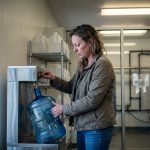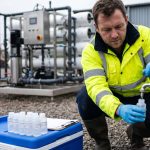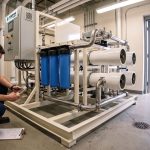

Reverse osmosis is the most comprehensive residential and commercial water purification technology available. A properly designed RO system forces pressurized water through a semi-permeable membrane with pores small enough to block dissolved salts, heavy metals, and organic compounds while allowing water molecules to pass. The result is purified water with 95-99% rejection of total dissolved solids. Here are the 10 most important contaminants that RO systems remove, along with the data on removal rates and why each matters.
1. Lead
Typical RO removal rate: 97-99%
Lead enters drinking water from lead service lines and plumbing solder in buildings constructed before 1986. There is no established safe level of lead in drinking water for children. RO membranes certified to NSF/ANSI Standard 58 for lead reduction are the most reliable point-of-use protection available.
2. Arsenic
Typical RO removal rate: 92-96%
Arsenic occurs naturally in groundwater across the western United States, New England, and the Midwest. Long-term exposure to arsenic above the EPA Maximum Contaminant Level of 10 ppb is associated with skin, bladder, and lung cancers. Carbon filters and water softeners do not remove arsenic. RO is the most widely recommended point-of-use technology for arsenic reduction.
3. Fluoride
Typical RO removal rate: 85-92%
Municipal water is fluoridated at 0.7 ppm to support dental health. Some households prefer to reduce their fluoride intake for personal health reasons. Carbon filters do not remove fluoride; RO is the appropriate residential technology for fluoride reduction.
4. Nitrates
Typical RO removal rate: 83-92%
Nitrates from agricultural fertilizers, septic systems, and animal waste enter groundwater and surface water supplies. The EPA MCL for nitrates is 10 mg/L. Above this level, nitrates cause methemoglobinemia in infants under 6 months. RO is one of only a few point-of-use technologies capable of reducing nitrates to safe levels.
5. PFAS Compounds
Typical RO removal rate: 90-99%
Per- and polyfluoroalkyl substances, including PFOA, PFOS, and related compounds, have contaminated water supplies near military bases, airports, and manufacturing sites across the US. In 2024, the EPA finalized the first federal MCLs for PFAS at 4 parts per trillion. RO membranes reject PFAS at rates of 90-99%, making them the most effective residential barrier against these compounds.
6. Chlorine and Chloramines
Typical RO removal rate: 98-99% via carbon pre-filter stage
Chlorine and chloramines are added by utilities as disinfectants but create trihalomethanes and haloacetic acids as byproducts when they react with organic matter. A multi-stage RO system with a carbon pre-filter removes both the primary disinfectants and their byproducts.
7. Chromium-6
Typical RO removal rate: 85-95%
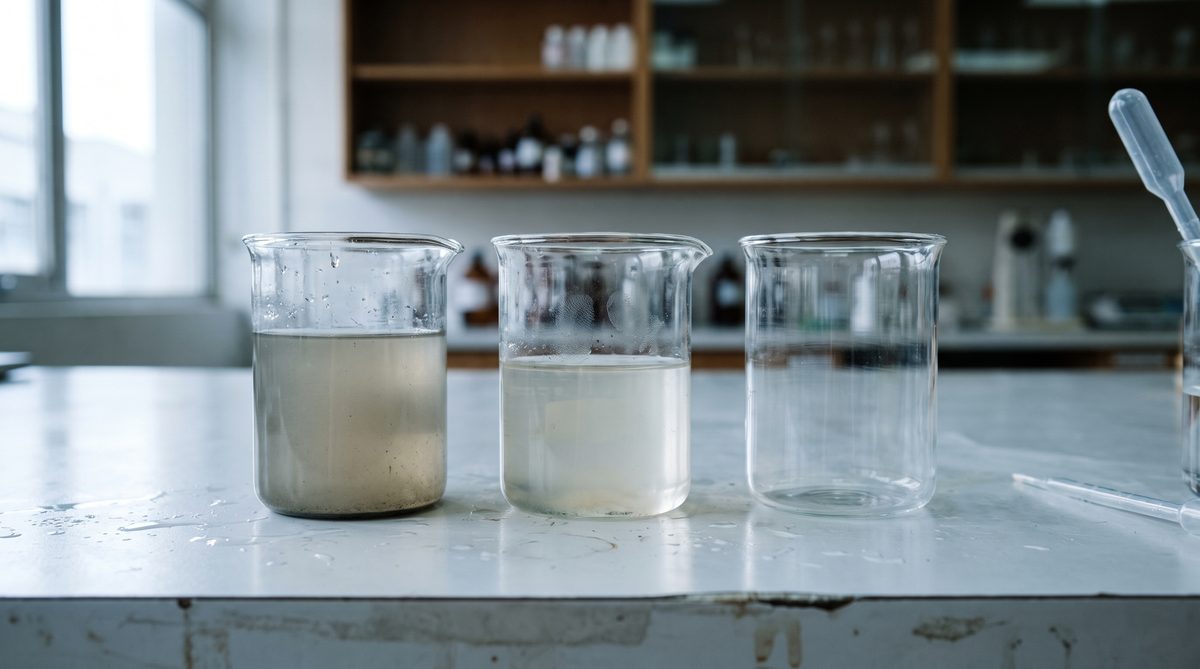
Hexavalent chromium is an industrial contaminant that entered public consciousness via the Hinkley, California groundwater contamination case. It is a confirmed human carcinogen at elevated concentrations. RO is one of the few point-of-use technologies that provides meaningful chromium-6 reduction.
8. Bacteria and Viruses
Typical RO removal rate: 99.9% for bacteria; 99%+ for viruses with UV post-treatment
RO membranes have pores approximately 0.0001 microns in size, small enough to physically block bacteria and most viruses. Point-of-use RO with UV post-treatment provides microbiological protection during boil-water events for common contamination scenarios.
9. Total Dissolved Solids
Typical RO removal rate: 95-99%
TDS is the aggregate measure of dissolved minerals, salts, and metals in water. RO reduces TDS to levels below 50 ppm from source water TDS of 300-1,000 ppm in typical municipal applications. Low TDS output improves taste and reduces scale buildup in appliances.
10. Pesticides and Herbicides
Typical RO removal rate: 95-99%
Agricultural runoff introduces atrazine, simazine, and other regulated pesticides into surface water sources. RO membranes reject most organic pesticides and herbicides at rates exceeding 95%, providing consistent protection independent of source water variability.
Choosing a Certified RO System
When evaluating a system, look for NSF/ANSI certification under Standard 58, which verifies contaminant reduction claims through independent testing. AMPAC USA residential and commercial RO systems are designed to meet the standards that apply to each model and application. Contact AMPAC USA to discuss which system fits your application.
Frequently Asked Questions
How does reverse osmosis purify water?
Reverse osmosis purifies water by forcing it under pressure through a semi-permeable membrane with microscopic pores. This membrane effectively blocks dissolved salts, heavy metals, and organic compounds, allowing only pure water molecules to pass. A properly designed RO system achieves 95-99% rejection of total dissolved solids, delivering exceptionally clean water.
What is the most effective method for removing PFAS from drinking water?
Reverse osmosis is the most effective residential barrier against PFAS compounds, including PFOA and PFOS. RO membranes reject these ‘forever chemicals’ at rates of 90-99%. This makes RO systems critical for achieving the EPA’s finalized MCLs of 4 parts per trillion for PFAS, offering superior protection compared to other filtration methods.
Do reverse osmosis systems remove chlorine and chloramines?
Yes, reverse osmosis systems effectively remove chlorine and chloramines, typically achieving 98-99% rejection. This removal is primarily accomplished through a carbon pre-filter stage, which is an integral part of most RO systems. This pre-filtration protects the delicate RO membrane and significantly improves water taste and odor.
How well does reverse osmosis remove lead from drinking water?
Reverse osmosis is highly effective at removing lead from drinking water, with typical removal rates ranging from 97-99%. RO membranes certified to NSF/ANSI Standard 58 for lead reduction offer the most reliable point-of-use protection. This is crucial as there is no established safe level of lead in drinking water, especially for children.
Is reverse osmosis effective for reducing nitrates in water?
Yes, reverse osmosis is one of the few point-of-use technologies capable of significantly reducing nitrates to safe levels. RO systems typically remove 83-92% of nitrates, addressing concerns from agricultural runoff or septic systems. This is vital for protecting infants under 6 months from methemoglobinemia, as the EPA MCL for nitrates is 10 mg/L.
Related Articles
- Water Softener vs Reverse Osmosis: Which Do You Need? | AMPAC USA
- What Is Reverse Osmosis? The Complete 2026 Guide to RO Water Purification
- Whole House Reverse Osmosis vs Water Softener: Which Do You Need?
- Unlocking Pure Water: The Ultimate Guide to a 6 Stage Reverse Osmosis System
Conclusion
Reverse osmosis earns its reputation as the most complete water treatment option because it doesn’t just target one contaminant — it strips out lead, arsenic, PFAS, nitrates, and dissolved solids in a single pass, something no single-stage filter can match. That range matters most for households on well water or in areas with aging infrastructure, where more than one of these contaminants often shows up at once. Look for a certified system so you know the membrane is actually rated for the contaminants your water report flags. For a deeper look at how the process works, see our complete guide to reverse osmosis. Contact our team at info@ampac1.com or (909) 548-4900 to find the right system for your water.
Explore our reverse osmosis water filtration systems for home use.
AMPAC USA engineers custom water purification systems for commercial, industrial, and emergency applications — from 500 GPD to multi-million GPD. Trusted by municipalities, military, and industry worldwide.