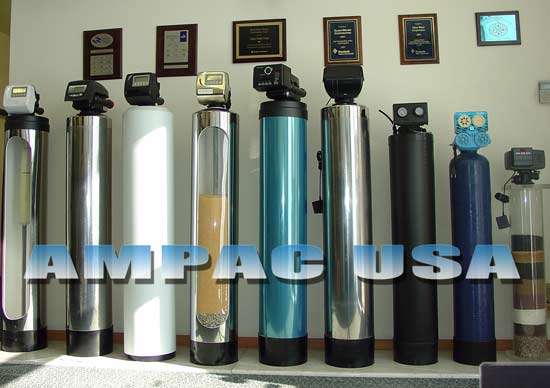

If your water smells bad, it’s a big warning sign. Something’s wrong with your water softener, household pipes, or even your main water source. You might smell rotten eggs from hydrogen sulfide, often from sulfur bacteria in the brine tank. Maybe it’s a musty smell, which points to resin fouling or biofilm. Or perhaps you’re getting a chlorine-like odor from regenerant carry-over. Each of these smells has its own cause and solution.
Most water supplies have some hardness. It just depends on what’s around, like nearby factories or the type of soil. These things can push unwanted stuff into your water, like too much carbonate, calcium, and magnesium. When you have too many of these minerals, your water gets hard.
Hard water is a real pain. The first thing you’ll notice? Your soap won’t lather up properly when you’re cleaning or washing. That makes it super tough to get anything clean. Your washing machine won’t clean clothes as well either. Hard water also messes with appliances. Your coffee maker and water heater will start building up gunk, rings, and might even get blocked entirely. And it’s not good for your skin or hair. So, yeah, you’ve got plenty of reasons to get rid of hard water. That’s why many homes install a water softener, which is a budget-friendly fix. It works by swapping out calcium and magnesium ions for sodium chloride, taking the hardness right out of your water.
Over time, some softeners start to smell. There are a few reasons why. One common one is that the activated carbon in the ion exchange system gets used up. Once that carbon is gone, bacteria can easily grow, and that’s where the smell comes from. That’s why regular maintenance and replacing parts like filters are so important. A good cleaning and new filters will usually get rid of that nasty smell pretty quickly.
Another reason for the odor could be a sulfur bacteria problem. Sulfur bacteria love sodium, which is a key part of a typical ion exchange softener. These bacteria produce hydrogen sulfide, and that’s the gas that creates all that awful smell. If this happens, you should call a water filter repair expert. They’ll know exactly what to do to get rid of the bacteria and, with it, the smell.
Some water supplies just have a lot of sulfur, iron, or hydrogen sulfide in them. These substances can react with your softener’s parts and again, create a gas that smells bad. That’s why it’s so important to test your water before you even install a system. If you know about these impurities beforehand, you can add the right pre-treatment or filtration parts to get rid of them. This makes your water pure or ready for more treatment before you use it. But even if you find out later, you can still add those extra pre-filters to fix your water issues, though it might cost more and be less convenient.
Related Articles
- Is it time when my water softener needs regeneration? How does it actually work?
- PFAS Contamination Near Military Bases and Airports: Water Treatment Guide
- EPA PFAS Water Regulations 2024-2026: What Commercial Facilities Must Know
- Water Treatment for Food and Beverage Manufacturing: RO Systems and FDA Compliance
Frequently Asked Questions
What causes a rotten egg smell in my water softener?
The rotten egg smell in a water softener is typically caused by hydrogen sulfide gas, produced by sulfur bacteria. These bacteria often thrive in the brine tank or resin bed, especially when activated carbon is exhausted or maintenance is neglected. Regular cleaning and proper regeneration are crucial to prevent their proliferation.
Why does my water softener have a musty odor?
A musty odor from your water softener often indicates resin fouling or biofilm growth within the system. Over time, organic matter and bacteria can accumulate on the resin beads, creating a breeding ground for odor-producing microorganisms. This issue typically requires a thorough cleaning and potential sanitization of the resin bed.
How do I eliminate bad smells from my water softener?
To eliminate bad smells, first identify the cause, such as sulfur bacteria or exhausted activated carbon. Solutions often involve thorough cleaning of the brine tank and resin bed, sanitizing the system, and replacing exhausted filters or activated carbon. Regular maintenance, as recommended by manufacturers like AMPAC USA, is key to preventing recurrence.
Can hard water damage my home appliances?
Yes, hard water can significantly damage home appliances by causing mineral scale buildup. Minerals like calcium and magnesium form deposits in coffee makers, water heaters, and washing machines, reducing efficiency and lifespan, and potentially leading to blockages. This issue is a primary reason why commercial and industrial facilities, like those AMPAC USA serves, prioritize water softening.
What is the function of activated carbon in a water softener system?
Activated carbon in a water softener system primarily functions to remove chlorine, chloramines, and other organic contaminants that can cause odors and degrade the ion exchange resin. When activated carbon becomes exhausted, it loses its adsorptive capacity, allowing impurities to pass through and potentially fostering bacterial growth, leading to bad smells. Regular replacement is essential for system performance.
AMPAC USA engineers custom water purification systems for commercial, industrial, and emergency applications — from 500 GPD to multi-million GPD. Trusted by municipalities, military, and industry worldwide.