
Water Pollution Costs Business is a big deal in water treatment today. AMPAC USA offers top-tier solutions, giving you safe, clean water for your home, business, or industrial site. Our systems are built to get rid of contaminants and last a long time.
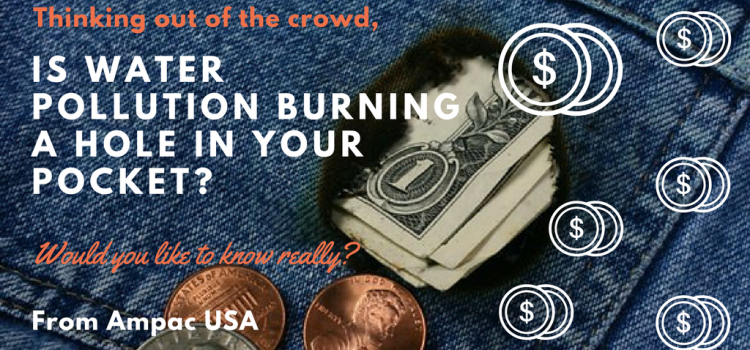
Think water pollution just makes drinking water unsafe and harms your health? Think again! New research shows it’s actually costing Americans a lot of money. How? It’s causing many diseases and illnesses, which then drives up medical bills. Let’s look at the numbers and what you can do to avoid these extra expenses.
The Data
Researchers at the University of Illinois, Chicago, looked at waterborne diseases people got from paddling, swimming, boating, and fishing in natural spots like rivers and lakes. They didn’t include illnesses from swimming pools or water parks.
Their study, published in the journal Environmental Health in January, found that water-based recreation caused over 90 million cases of ear, eye, stomach, breathing, and skin-related illnesses in the US. Those illnesses added up to $2.9 billion a year in medical costs, plus lost time from school and work.
The Aftereffects
Experts say these huge numbers put the costs of projects designed to make recreational waterways safer and cleaner into perspective. We know what beach monitoring and notification programs cost, but until now, we didn’t have a clear idea of how many people got sick from playing in natural waters. This new information can help policymakers understand the real cost of improving and monitoring water quality.
No Need to Panic
Experts also want to make it clear that you shouldn’t panic after reading this data. About 4 billion water recreation events happen every year in the US, so only about 2 percent of people actually got sick.
No Foolproof Determination
The experts also admit it’s not easy to pinpoint exactly how many illnesses come from water recreation. If someone gets sick a few days after visiting the doctor, it’s often tough to figure out or identify the exact cause, like viruses or bacteria in the water.
The Imbalance
Experts also pointed out that we spend around $10 billion each year on beach water protection. That’s just a small fraction of the estimated annual cost of illness.
The Solution: AMPAC USA Systems
While we agree governments need to create stricter policies to stop pollution, until that day comes, you can rely on our wide range of Seawater Desalinationsystems to handle all your needs. Yes, they require an initial investment, but you’ll see a return on that investment from day one. If you can’t find a system that fits your specific needs, we can even build a custom product for you. That way, you’ll never have to second-guess quenching your thirst.
To protect your health, the well-being of your loved ones, and avoid those huge medical costs, contact AMPAC USA today!
Sources:
- http://www.chicagotribune.com/lifestyles/health/sc-hlth-water-pollution-effects-0131-story.html
- https://www.ampac1.com/products/seawater-desalination
Related Articles
- Water Softener vs Reverse Osmosis: Which Do You Need? | AMPAC USA
- Brackish Water Treatment Processes & Solutions by Ampac USA
- The Relation Between Cannabis Growth and Water Quality- Ampac USA
- Military Water Treatment System- A Complete Guide by Ampac USA
Frequently Asked Questions
How much does water pollution cost Americans annually due to recreational activities?
Water pollution from recreational activities costs Americans approximately $2.9 billion annually. This figure covers medical expenses and lost time from school and work, stemming from over 90 million cases of waterborne illnesses contracted while swimming, boating, or fishing in natural sources.
What types of illnesses are commonly caused by recreational water pollution?
Recreational water pollution can lead to a range of illnesses, including ear, eye, gastrointestinal, respiratory, and skin-related conditions. These are often contracted from exposure to contaminated natural water sources during activities like swimming, paddling, or fishing.
What is AMPAC USA’s role in mitigating the financial impact of water pollution for businesses?
AMPAC USA helps businesses mitigate the financial impact of water pollution by designing and manufacturing advanced commercial and industrial reverse osmosis and water purification systems. Our solutions are engineered for maximum contaminant removal and long-term reliability, ensuring safe, clean water and preventing operational disruptions and health-related costs.
Is it common to get sick from recreational water activities in the US?
While waterborne illnesses from recreational activities are a concern, experts note that the percentage of people who get sick is relatively low. Out of approximately 4 billion recreational water events annually in the US, only about 2% result in illness, according to research from the University of Illinois, Chicago.
How can businesses prevent costs associated with contaminated water?
Businesses can prevent significant costs associated with contaminated water by investing in robust water purification systems. AMPAC USA provides industry-leading commercial and industrial reverse osmosis solutions that ensure a reliable supply of clean water, safeguarding employee health, preventing equipment damage, and avoiding regulatory fines.
AMPAC USA engineers custom water purification systems for commercial, industrial, and emergency applications — from 500 GPD to multi-million GPD. Trusted by municipalities, military, and industry worldwide.