
Fasting is a common practice that people perform all over the world. It has been there for thousands of years and is there to stay for many years. Some people prefer fasting to cleanse their bodies, and some do it for religious reasons, some for weight loss, and others for other reasons that suit them. One of the most popular fasting options many people prefer is water fasting. What is it, how it benefits you, how to do it, and what are the possible side effects? Read on to know everything you need to know.
What is Water Fasting?
When talking about water fasting, let’s start with the basics. What is water fasting? As the name suggests, it is a type of fast restricting the consumption of everything but water. A person performing it eats or drinks nothing in a day but pure water. Many people prefer to fast for 24 to 72 hours. One should not fast for over 72 hours without the guidance of a medical expert.
What Does Research Say?
According to studies, water fasting could have several health benefits. For example, it might help lower the risk of a few chronic diseases and stimulate autophagy. The latter is a process that helps your body break down and recycle old parts of your cells. Unfortunately, human studies on water fasting are quite limited. More research is needed in this regard.
Why Do People Opt for Water Fasting?
There are many people why people opt for water fasting. Some of them are:
To lose weight
Religious and spiritual reasons
Detoxing
Preparing for a medical procedure
For the numerous health benefits it offers like a lower risk of diabetes, heart disease, and certain cancers
preparing for a medical procedure
How to Perform Water Fasting?
There are no scientific guidelines regarding how you can perform water fasting. However, people of certain categories should not perform water fasting without medical supervision. It includes pregnant women, children, diabetic people, older adults, and people with an eating disorder, among others.
If you have never performed a fast before, you should ensure that you spend at least 3 or 4 days preparing your body to be without food. One way to do that is to eat smaller portions at each meal or try to fast for the part of the day.
Initiating the Water Fast
You can’t drink or eat anything besides water during a water fast. You should drink at least 2 or 3 liters per day during a water fast. If you feel dizzy or weak during a water fast, you should talk to a medical expert. Also, avoid operating heavy machinery or driving if you feel you are not up to it.
Post Fast
After the fast, you need to control the urge to have a big meal. It is because doing so might lead to uncomfortable symptoms. Try to break your fast with a small meal or a smoothie. Increase the size of the meal slowly and only if you feel comfortable.
It will help you to avoid refeeding syndrome, a potentially fatal condition in which your body undergoes rapid changes in electrolyte and fluid levels. Usually, the post-fast phase lasts just a day, but people who perform a water fast for 3 or more days might need three more post-fast days before they get comfortable eating larger meals.
Benefits of Water Fasting
There are several benefits of water fasting. Some of them include:
Better for Autophagy
Autophagy is a process in which the parts of a person’s cell are broken down and then recycled. According to animal studies, autography might help protect against serious health conditions like heart disease, cancer, or Alzheimer’s and even help boost life expectancy. They have also shown that water fasting helps promote autophagy.
Reduced Blood Pressure
Research has also shown that long, and medically supervised water fasts can help people with high blood pressure issues reduce their blood pressure. In a study, about seventy people with borderline high blood pressure chose to perform a water fast for about 14 days under medical supervision. At the end of the fasting time, about 82% saw their blood pressure reach healthy levels. It also helped improve 20 mmHg for systolic (the upper value) and 7 mmHg for diastolic (the lower value).
Improved Insulin and Leptin Sensitivity
Insulin and leptin are two key hormones that impact your metabolism. Insulin helps your body to store nutrients from the bloodstream, and leptin helps you to feel full. According to research, water fasting can make your body more sensitive to insulin and leptin. So, these hormones become more effective.
Lower Risk of Many Chronic Diseases
Some evidence suggests that water fasting can reduce the risk of chronic diseases like cancer, diabetes, and heart-related issues. In a study, thirty adults practiced water fasting for 24 hours and reduced two risk factors for heart disease: cholesterol and triglycerides.
According to animal studies, water fasting can protect the heart against damage from free radicals. Water fasting can also help suppress genes which help in the growth of cancer cells and might also improve the effects of chemotherapy, according to animal studies.
Risks of Water Fasting
You need to be aware of a few risks of water fasting before you practice it. Here they are:
You might lose weight that comes from carbs, water, and muscle mass
As about 20-30% of your daily water intake comes from foods you eat, water fast may make you dehydrated.
You may also experience orthostatic hypotension, a drop in blood pressure when you suddenly stand up. It can leave you dizzy and lightheaded, and you might be at risk of fainting.
People suffering from gout or eating disorders should avoid water fasting as it might worsen the situation.
Is Water Fasting Worth It?
Yes, water fasting, if done properly, can be worth the effort. It allows you to enjoy several benefits and dodge the risk. It can also help with weight loss efforts and boost your overall health. Make sure you drink only pure water while practicing water fasting.
Drink Only Pure Water with AMPAC USA
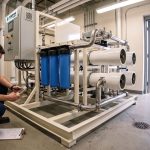
If you are looking for a way to get pure water during water fasts, then you can trust AMPAC USA’s water treatment products. We provide reverse osmosis water treatment systems.
To know more, call AMPAC USA at 909-548-4900 or visit us here.
Reference:
https://www.healthline.com/nutrition/water-fasting#bottom-line
Frequently Asked Questions
How long is it safe to water fast?
Water fasting typically involves restricting all consumption except pure water for 24 to 72 hours. It is crucial not to extend a water fast beyond 72 hours without direct medical supervision, especially for individuals with pre-existing health conditions. Always ensure the water consumed is of the highest purity to support bodily functions during this period.
What are the primary reasons people choose to water fast?
People opt for water fasting for various reasons, including weight loss, religious or spiritual practices, and detoxification. It is also pursued for potential health benefits such as stimulating autophagy and lowering the risk of chronic diseases. Regardless of the reason, consuming high-quality, pure water is essential throughout the fast.
Who should avoid water fasting without medical supervision?
Certain individuals should not undertake water fasting without strict medical supervision due to potential health risks. This includes pregnant women, children, diabetic individuals, older adults, and those with a history of eating disorders. Consulting a healthcare professional is vital to assess suitability and ensure safety during any fasting regimen.
What type of water should be consumed during a water fast?
During a water fast, it is critical to consume only pure water, free from impurities, contaminants, or added substances. Drinking 2 to 3 liters of high-quality water daily is recommended to maintain hydration and support bodily functions. Ensuring your water source provides consistently pure water, like that from advanced purification systems, is paramount for health and safety during a fast.
How should one prepare their body for a water fast?
To prepare for a water fast, especially if you are new to fasting, it’s advisable to gradually adjust your body over 3 to 4 days. This can involve eating smaller meal portions or practicing partial-day fasting to ease your system into longer periods without food. Maintaining good hydration with pure water is also beneficial during this preparatory phase.
Related Articles
- Is Distilled Water Good for Babies? Everything Parents Need to Know
- Water Softeners for Well Water: Everything You Need to Know Before Buying
- Everything You Need to Know About Water Neutralization
- Deionized Water Vs. Distilled Water- Everything You Need to Know
Conclusion
Whatever your reason for trying a water fast, and whatever the current wellness trends claim about it, the water itself is the one variable worth getting right since it’s the only thing your body is taking in. Sticking to 24-72 hours, checking with a doctor if you fall into a higher-risk group, and drinking 2-3 liters of genuinely clean water daily covers the basics that matter most. For a home source of consistently pure water, AMPAC USA’s residential reverse osmosis systems are worth a look. Reach out at info@ampac1.com or (909) 548-4900 with questions about water purity for fasting or everyday use.
AMPAC USA engineers custom water purification systems for commercial, industrial, and emergency applications — from 500 GPD to multi-million GPD. Trusted by municipalities, military, and industry worldwide.