Quick Answer: Reverse osmosis consistently produces the safest drinking water you can get at home, removing 95-99% of dissolved contaminants like lead, arsenic, PFAS, nitrates, and TDS. NSF/ANSI Standard 58 certification backs these claims up. The CDC and EPA recommend RO for anyone with a weakened immune system who needs the purest water possible.
When reverse osmosis first appeared, no one really imagined it would be used for so many industrial jobs, let alone for drinking water. Back then, we also didn’t think that running the tap, watering the lawn for an extra five minutes, or washing the car could lead to water shortages. But here we are. Today, people in the U.S. worry about their drinking water. This resource is already scarce in many third-world countries. What happens when the water coming into our homes isn’t safe?
The Flint Crisis
In April 2014, officials in Flint, Michigan, decided to switch their water supply to the Flint River to save money. This struggling city saw its water quality plummet within a month. Water came out brown, and tests found microorganisms like E.Coli and Coliform. Later, they discovered massive amounts of lead, putting the city’s residents in danger. Authorities declared a state of crisis. Even today, people in Flint use bottled water for cooking, cleaning, and brushing their teeth. This crisis sparked research that showed 55% of Americans didn’t trust their water supply.
One Solution
It’s hard to ignore that such a crisis could hit our own homes any day. A recent report even suggested that about 47% of schools hadn’t checked their water quality. We know that lead poisoning can stunt brain development in children and cause diseases in adults. You just can’t completely trust tap water these days. With so much urbanization, rivers and lakes often become dumping grounds for wastewater. One way to keep your family safe is to take control with reverse osmosis water filters.
Reverse Osmosis
Reverse osmosis is a proven, efficient process, and it’s the best answer to all your water worries. It’s used widely in desalination plants, providing clean drinking water to millions globally. This flexible technology is also perfect for homes, giving you choices. These water filters:
Use reverse osmosis membrane technology.
Remove 98-99% of contaminants from your water.
Run on electricity and operate automatically.
Come in various specs to fit your needs.
Only need simple, twice-a-year maintenance to work smoothly, and
Are surprisingly affordable.
The best part? Your water filter won’t ever let contaminated water reach your glass. You’ll see this efficiency in an RO filter’s rejection rate. Most of the rejected water means it’s full of hard metals, bacteria, and other impurities.
You can find these filters in different specifications and stages, like <3-stage, <4-stage, and <5-stage RO filters, depending on how contaminated your water is. For a worry-free life, RO filters are the best choice for your family today. You'll never have to fret about what's coming out of your tap. Clean or not, your water filter will handle it while you kick back and watch the next big game. Get an RO filter for your home now!
What specific contaminants does reverse osmosis effectively remove from drinking water? Reverse osmosis systems are highly effective, removing 95-99% of dissolved contaminants. This includes harmful substances like lead, arsenic, PFAS (forever chemicals), nitrates, and total dissolved solids (TDS). NSF/ANSI Standard 58 certification independently verifies these impressive removal rates, ensuring the highest purity.
Why is reverse osmosis water recommended for health-sensitive individuals? Reverse osmosis consistently produces the safest drinking water available, making it ideal for health-sensitive individuals. The CDC and EPA specifically recommend RO technology for immunocompromised individuals who require the highest water purity. This ensures protection against a wide range of waterborne contaminants that could pose health risks.
How can I ensure my family’s drinking water is safe given concerns about municipal supplies? With 55% of Americans distrusting their tap water and incidents like the Flint Crisis, ensuring water safety is a growing concern. Reverse osmosis provides a proven solution, allowing you to take control of your water quality at home. This technology effectively removes contaminants that municipal systems may miss, offering peace of mind against potential lead, bacterial, or chemical threats.
What independent standards verify the performance of reverse osmosis systems? The performance and contaminant removal claims of reverse osmosis systems are independently verified by NSF/ANSI Standard 58 certification. This rigorous standard ensures that RO systems meet strict criteria for material safety, structural integrity, and the reduction of specific contaminants. Choosing an NSF/ANSI 58 certified system guarantees proven effectiveness and reliability.
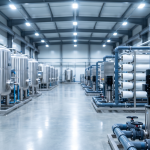
Beyond home use, where else is reverse osmosis technology critically applied? Reverse osmosis is a robust technology proven across diverse critical applications, extending far beyond residential drinking water. AMPAC USA engineers have direct field experience installing RO systems on offshore oil rigs, military bases, luxury resorts, and for municipal and food & beverage plants. Its efficiency in desalination and industrial purification makes it indispensable globally.
Need a Water Treatment Solution?
AMPAC USA engineers custom water purification systems for commercial, industrial, and emergency applications — from 500 GPD to multi-million GPD. Trusted by municipalities, military, and industry worldwide.
Sammy Farag is VP of Engineering at AMPAC USA, a Woods Cross, UT-based manufacturer of commercial and industrial water purification systems. He has 20+ years of hands-on experience sizing, installing, and commissioning reverse osmosis systems across municipal, industrial, and marine applications. AMPAC USA systems are NSF-certified and deployed in 60+ countries.
About AMPAC USA
AMPAC USA manufactures advanced reverse osmosis and water purification systems for industrial, commercial, marine, and residential applications worldwide.