

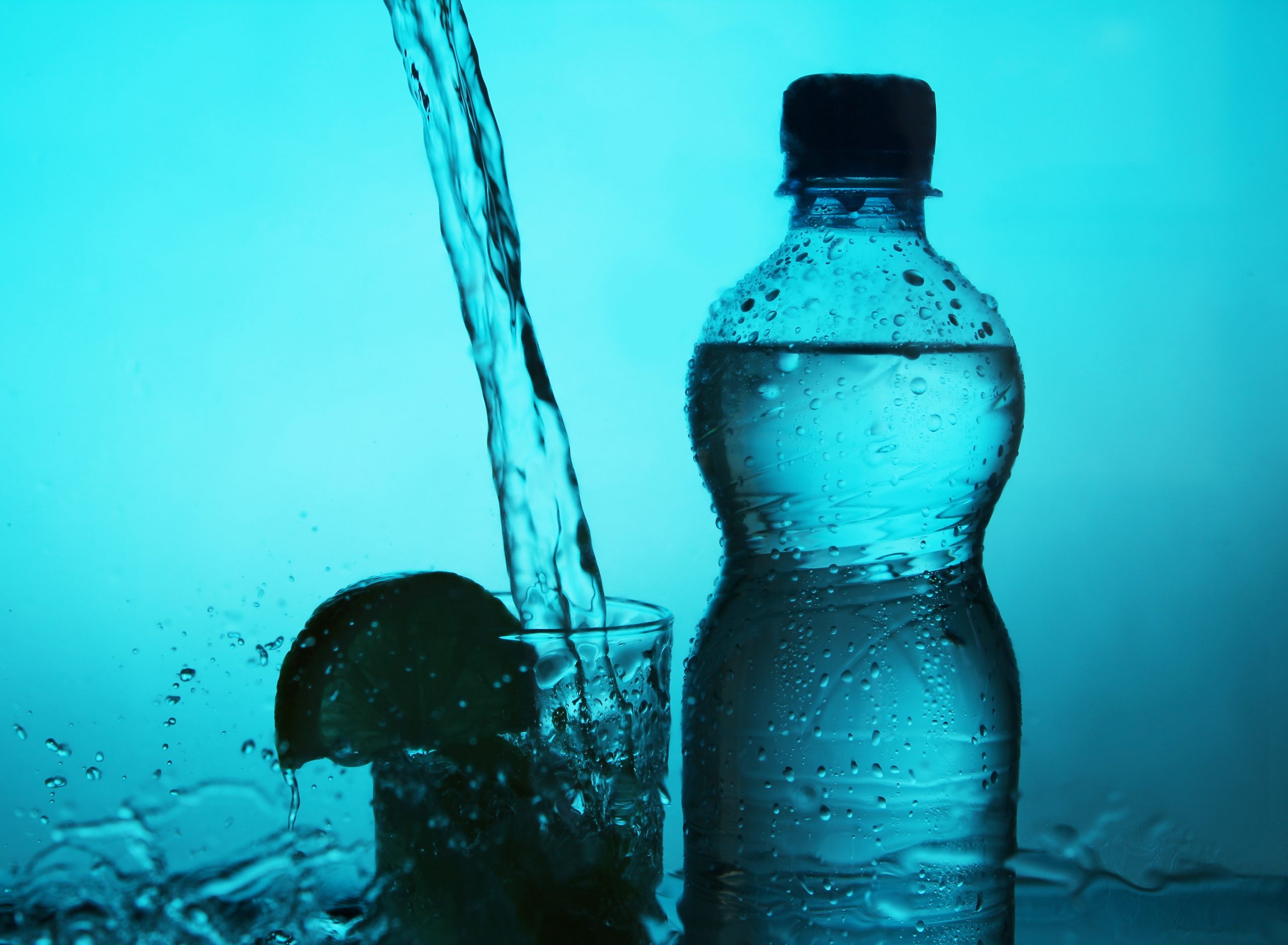

In a groundbreaking study that has sent shockwaves through the scientific community, researchers have unveiled alarming evidence that bottled water sold in stores contains significantly more plastic particles than previously estimated. These particles, primarily in the form of nanoplastics, are so minuscule that they are undetectable even under a microscope, raising serious concerns about their potential health impacts.
Nanoplastics: The Invisible Threat
Nanoplastics, defined as plastic particles smaller than 1 micrometer, are an emerging concern due to their ability to permeate the body’s tissues and organs. At just one-thousandth the width of a human hair, these particles can infiltrate the digestive tract, lungs, and bloodstream, distributing synthetic chemicals throughout the body. Recent studies have shown that a single liter of bottled water can contain up to 370,000 plastic particles, 90% of which are classified as nanoplastics.
Understanding Nanoplastics and Their Origins
Nanoplastics are the smallest form of plastic pollution, often originating from larger plastic debris that breaks down over time. In bottled water, these particles can come from various sources, including the plastic packaging itself, environmental contamination, or even the manufacturing process. The diversity of plastic types found in bottled water ranging from polyethylene terephthalate (PET) to polyvinyl chloride (PVC) – suggests that the issue is more complex than previously understood.
The health implications of nanoplastics
The presence of nanoplastics in bottled water poses significant health risks, particularly due to their ability to carry endocrine-disrupting chemicals such as bisphenols and phthalates. These chemicals are known to interfere with hormone regulation, potentially leading to a range of health issues, including reproductive problems, metabolic disorders, and even cancer. Moreover, the tiny size of nanoplastics allows them to enter cells and tissues in major organs, potentially disrupting cellular processes and leading to long-term health consequences.
Scientific Breakthroughs in Nanoplastic Detection
The recent study, published in the prestigious journal Proceedings of the National Academy of Sciences, introduces an innovative technique for detecting and analyzing nanoplastics in bottled water. Utilizing a modified version of Raman spectroscopy, known as stimulated Raman scattering microscopy (SRS), researchers can now identify and quantify nanoplastics with unprecedented accuracy. This technique amplifies the signal of nanoplastics, allowing for the precise detection of particles that were previously invisible to conventional methods.
The Significance of Accurate Detection
Accurate detection of nanoplastics is crucial for understanding the full scope of plastic pollution and its impact on human health. The ability to classify different types of plastics, such as polyamide and polystyrene, enables researchers to trace the origins of these particles and assess their potential risks. This breakthrough in detection technology marks a significant step forward in environmental science, paving the way for more comprehensive studies on the long-term effects of nanoplastics.
Potential Health Risks and Unanswered Questions
While the detection of nanoplastics is a significant achievement, many questions remain unanswered. For instance, how do these particles interact with human cells and tissues? Do they accumulate in the body, leading to chronic health issues, or are they eventually expelled? These questions are at the forefront of ongoing research, with scientists striving to understand the long-term implications of nanoplastic exposure.
Minimizing Exposure to Nanoplastics
As research continues to uncover the dangers of nanoplastics, it is essential for consumers to take proactive steps to minimize their exposure. The most effective strategy is to reduce the use of plastic containers, particularly for food and beverages. Opting for alternatives such as glass or stainless steel can significantly lower the risk of ingesting nanoplastics. Additionally, being mindful of the products we use daily – from clothing to household items – can help reduce overall plastic consumption.
Practical Steps for Consumers
- Choose Tap Water Over Bottled Water: Tap water, especially when filtered, often contains fewer plastic particles than bottled water. Using glass or stainless steel containers further reduces the risk of plastic contamination.
- <strong>Avoid Heating Food in Plastic Containers</strong>: Heat can cause plastics to degrade, releasing more particles into the food. Instead, use microwave-safe glass or ceramic containers.
- Be Cautious with Plastic Packaging: Opt for products with minimal plastic packaging, and when possible, choose items packaged in alternative materials.
- Educate and Advocate: Staying informed about the latest research on plastic pollution and advocating for stricter regulations on plastic use can contribute to broader societal changes.
Future research directions
The study’s findings have opened new avenues for research, particularly in understanding how nanoplastics affect human health over time. The next steps involve investigating the specific pathways through which nanoplastics enter and interact with human cells. Additionally, research will focus on identifying the full range of chemicals carried by nanoplastics and their potential health impacts.
Towards a Safer Future
As we continue to grapple with the pervasive issue of plastic pollution, it is imperative that we prioritize research and innovation in this field. By developing more advanced detection methods and expanding our understanding of nanoplastics, we can mitigate the risks they pose to human health and work towards a safer, cleaner environment.
Frequently Asked Questions
What exactly are nanoplastics and why are they a concern?
Nanoplastics are plastic particles smaller than 1 micrometer, or one-thousandth the width of a human hair. They are a significant concern because their minuscule size allows them to permeate the body’s tissues, organs, and bloodstream, potentially distributing synthetic chemicals throughout the body.
How many plastic particles, specifically nanoplastics, are typically found in bottled water?
Recent studies reveal that a single liter of bottled water can contain up to 370,000 plastic particles. A staggering 90% of these particles are classified as nanoplastics, making them an invisible and pervasive contaminant.
What are the potential health risks of consuming nanoplastics from bottled water?
Nanoplastics in bottled water pose significant health risks due to their ability to carry endocrine-disrupting chemicals like bisphenols and phthalates. These chemicals can interfere with hormone regulation, potentially leading to reproductive problems, metabolic disorders, and even cancer. Their tiny size also allows them to disrupt cellular processes in major organs.
What are the primary sources of nanoplastics found in bottled water?
Nanoplastics in bottled water originate from various sources, including the breakdown of the plastic packaging itself, environmental contamination, and even the manufacturing process. The presence of diverse plastic types like polyethylene terephthalate (PET) and polyvinyl chloride (PVC) indicates a complex origin for these microscopic pollutants.
How do scientists detect and analyze nanoplastics in bottled water?
Scientists utilize an innovative technique called stimulated Raman scattering microscopy (SRS), a modified version of Raman spectroscopy. This advanced method allows researchers to accurately identify and quantify nanoplastics, which are otherwise undetectable even under traditional microscopes.
Related Articles
- The Real Impact of Using a Water Softener: An In-Depth Analysis!
- FAQs About Bottled Water Shelf Life
- PFAS Contamination Near Military Bases and Airports: Water Treatment Guide
- EPA PFAS Water Regulations 2024-2026: What Commercial Facilities Must Know
Conclusion
Finding up to 370,000 plastic particles in a single liter of bottled water — 90% of them nanoplastics small enough to get into human tissue — is the kind of number that makes bottled water look a lot less like the “safe” option people assume it is. Filtering your own water at home sidesteps the plastic packaging problem entirely, which is worth considering if this is the first time you’re hearing those figures. Our residential reverse osmosis systems page has more on how home filtration compares. Contact our team at info@ampac1.com or (909) 548-4900 to talk about filtration options for your household.
AMPAC USA engineers custom water purification systems for commercial, industrial, and emergency applications — from 500 GPD to multi-million GPD. Trusted by municipalities, military, and industry worldwide.