
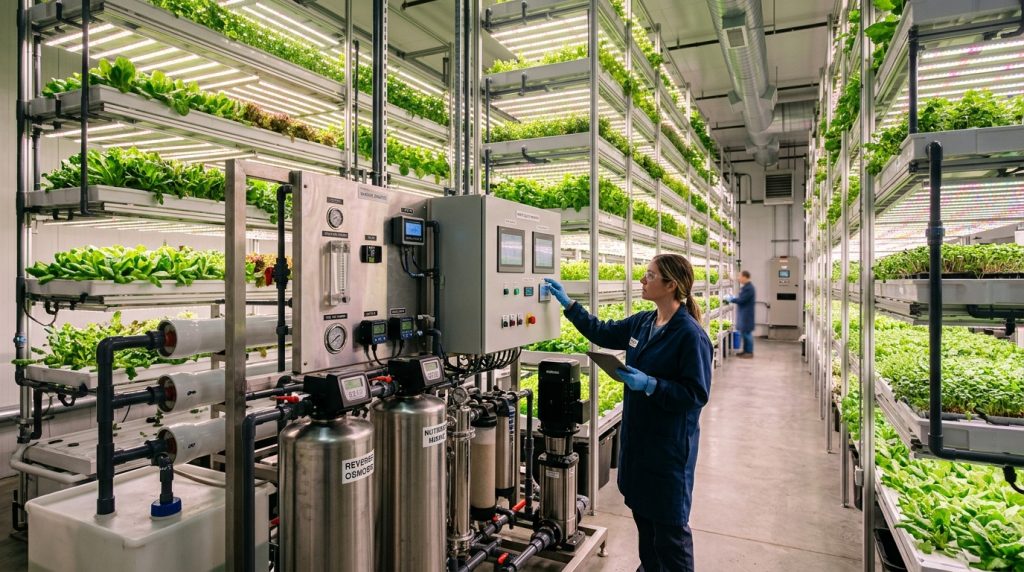
Occupational Heat Stress and Kidney Health: From Farms to Factories
Extreme heat at work combined with chronic dehydration is a proven risk factor for chronic kidney disease among farm, construction and factory workers.

Expert insights on water treatment, reverse osmosis, and purification systems
Extreme heat at work combined with chronic dehydration is a proven risk factor for chronic kidney disease among farm, construction and factory workers.

Losing just 1-2% of your body’s water is enough to affect attention, short-term memory and reaction time, and the research on it is consistent.

The aquatic environment can contain numerous micropollutants and there are concerns about endocrine activity in environmental waters and what that might mean for human and ecosystem health.

In this study, we conducted a worst-case risk exploratory assessment for children’s health from ingestion exposure to water sources in two densely populated counties.
Reverse osmosis and alkaline filters solve different problems: one removes contaminants, the other changes pH. That difference answers most questions about which to choose.

Water is an essential need of the human body and is required in huge amounts for the growing population in the world. Health benefits of water aside, without it, the body begins to shut down its functions.
Finished water storage tanks are an overlooked weak point in distribution systems, where stagnation, residual decay and biofilm can degrade water quality.
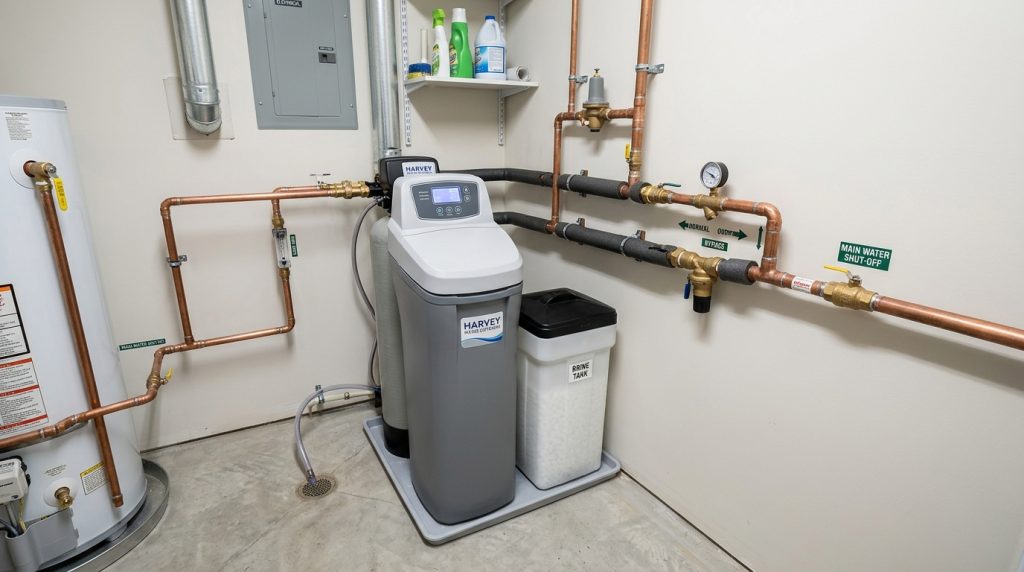
At present one of the greatest barriers to reducing exposure to naturally occurring arsenic from unregulated private well water is a lack of well testing.
For several decades, a common processing aid in the production of fluoropolymers was the ammonium salt of perfluorooctanoic acid.
Giardia duodenalis is the most common intestinal parasite of humans in the USA, but the risk factors for sporadic (non-outbreak) giardiasis are not well described.