Children in New Jersey face real dangers from water pollution, both from what they drink and what they play in. Lead, nitrates, and nasty microbes are the biggest problems. This look at the issue pinpoints where the risks come from, who’s most vulnerable, and what we still need to learn to keep kids safe.
New Jersey Kids and Water Contaminants: Why They’re More Vulnerable
Kids aren’t just small adults when it comes to water risks. They drink two to three times more water for their size than grown-ups do. Their bodies aren’t as good at getting rid of toxins, and they absorb more bad stuff like lead and arsenic through their gut. These differences mean kids get a higher dose from the same water. What’s considered safe for adults might not protect a child.
Drinking water dangers in New Jersey: Our state’s water pipes hide some well-known risks for kids. Lead service lines, which connect city mains to homes, were common before 1986. Many are still there in older cities like Newark, Trenton, and Camden. Lead can get into the water from these pipes, especially when water chemistry or pressure changes. Young children absorb up to 50% of ingested lead, compared to about 10% for adults. There’s no safe blood lead level for kids, and even low levels can affect their brains.
Nitrates from farms and septic systems pollute shallow wells in our agricultural areas. Babies under six months are especially at risk for “blue baby syndrome” if nitrate levels go above 10 mg/L as N. If you have a private well, you’re on your own for testing and treating your water. That means some families get less protection than those on regulated city water.
Playing in water can be risky too: Kids swim more often and for longer than adults, and they’re more likely to swallow water. New Jersey’s beaches, lakes, and pools each have their own set of germ and chemical dangers. Harmful algal blooms (HABs) from cyanobacteria can make toxins that are acutely dangerous. Because kids are smaller, these toxins hit them harder. After storms, beaches often close because of high levels of pathogens from combined sewer overflows. This problem often affects kids in lower-income urban coastal areas more.
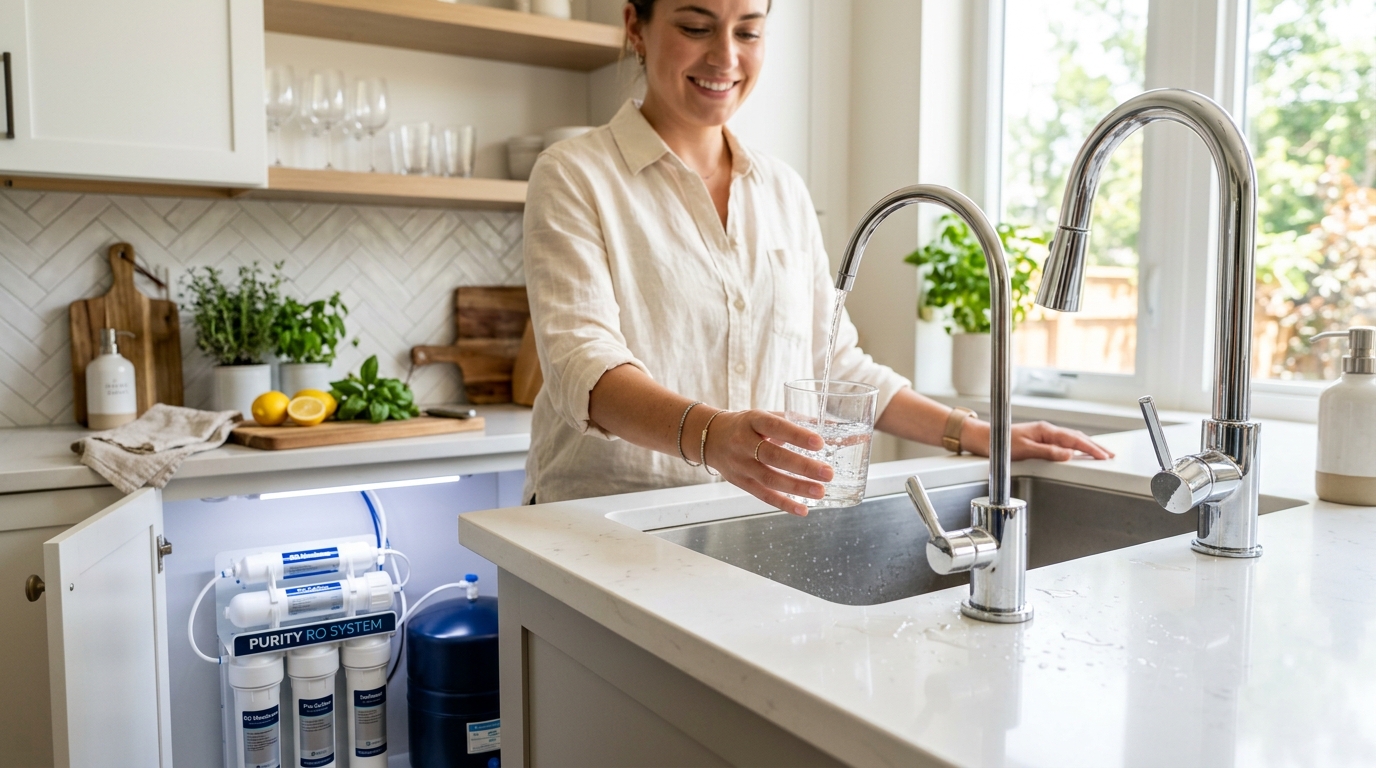
To really protect New Jersey’s kids from water related health risks, we need a multi-pronged approach. That means protecting water sources, treating water at the tap (especially for well users with reverse osmosis systems), and giving clear guidance for safe recreation.
*Author to whom correspondence should be addressed.
no-margin-top Abstract
In this study, we looked at the worst-case health risks for children who swallow water from sources in two busy New Jersey counties, Hunterdon and Mercer. We estimated cancer and non-cancer health risks for 19 contaminants. These included organics, inorganics, and emerging contaminants, all with available environmental data. We examined three ways kids might be exposed: 1) drinking untreated groundwater from dirty private wells; 2) playing and accidentally swallowing water from the Delaware River; and 3) eating fish caught from the Delaware River. We compared the total health danger from each contaminant across all three scenarios to figure out which ones posed the biggest health risk. Our analysis showed that arsenic and trichloroethylene in private well water were the main drivers of health risk. We think these are the most important contaminants for kids in these areas. We estimated a really high total excess cancer risk of 2.13 × 10?3 from arsenic exposure. This clearly shows we need to test and treat water sources and set up a plan for more detailed work in the future.
https://www.mdpi.com/2073-4441/10/3/276
The post Exploratory Assessment of Risks from Drinking and Recreational Water Exposure to Children in the State of New Jersey appeared first on Facts About Water.
Source: Water Feed
Related Articles
Frequently Asked Questions
Why are children more vulnerable to water contaminants than adults?
Children are not simply small adults; they drink two to three times more water relative to body weight, have less mature detoxification pathways, and higher gastrointestinal absorption rates for contaminants like lead. These physiological differences mean they receive a higher effective dose from the same water quality. For instance, children absorb up to 50% of ingested lead compared to roughly 10% in adults.
Where are lead service lines still a risk for children in New Jersey?
Lead service lines, common before 1986, remain in older urban communities across New Jersey, including Newark, Trenton, and Camden. Lead can mobilize from these pipes, especially with changes in water chemistry or pressure, posing a significant risk as no safe blood lead level for children has been established.
What level of nitrates in New Jersey drinking water is dangerous for infants?
Infants under six months are particularly vulnerable to methemoglobinemia, or ‘blue baby syndrome,’ if nitrate levels in drinking water exceed 10 mg/L as N. Nitrate contamination primarily affects shallow wells in the state’s farming regions, often stemming from agricultural and septic sources.
What are the primary health risks for children in New Jersey’s recreational waters?
Children face risks from harmful algal blooms (HABs) producing hepatotoxins and neurotoxins, which are amplified by their lower body weight. Additionally, post-storm beach closures indicate elevated pathogen loads from combined sewer overflows, while inland lakes and municipal pools present their own distinct microbial and chemical hazards.
Who is responsible for testing and treating private well water in New Jersey?
Households on private wells in New Jersey bear sole responsibility for testing and treating their water supply. This creates an inequitable protection level compared to municipal customers, who benefit from regulated water quality monitoring and treatment. AMPAC USA emphasizes the importance of regular testing for contaminants like nitrates to ensure safety.
Need a Water Treatment Solution?AMPAC USA engineers custom water purification systems for commercial, industrial, and emergency applications — from 500 GPD to multi-million GPD. Trusted by municipalities, military, and industry worldwide.