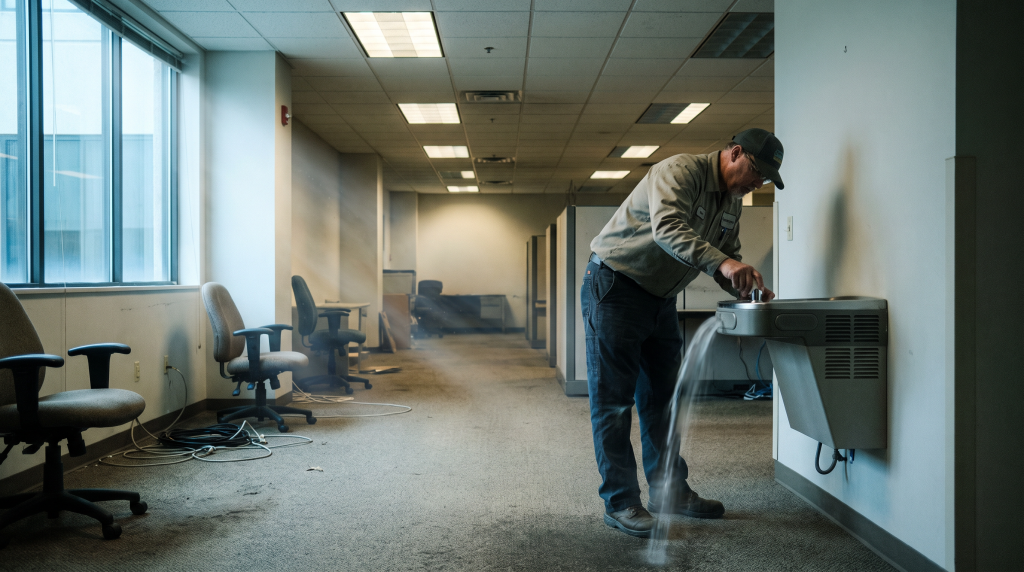
The Building Was Empty for Months. Is the Water Still Safe?
Vacant offices and seasonal buildings can grow Legionella and other bacteria in stagnant pipes. Here’s what the science says, and how flushing plus point-of-use treatment fixes it.
Expert insights on water treatment, reverse osmosis, and purification systems
Vacant offices and seasonal buildings can grow Legionella and other bacteria in stagnant pipes. Here’s what the science says, and how flushing plus point-of-use treatment fixes it.
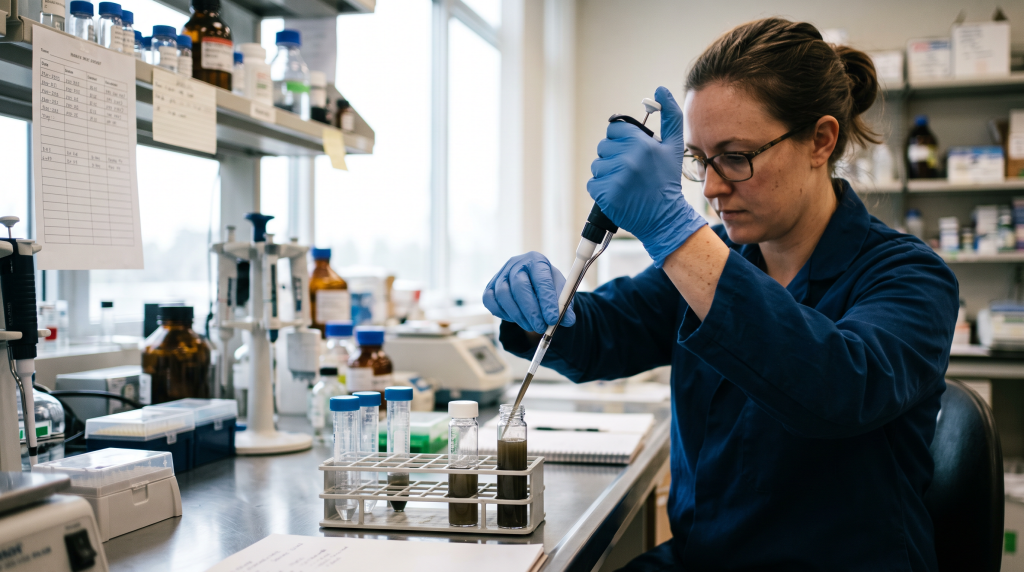
Norovirus and Hepatitis A can enter surface water through sewage overflows and runoff. Here’s how they get in, and how UF and RO membranes remove them.
Trace pharmaceuticals and illicit drug residues show up in wastewater and drinking water nationwide. Here’s what’s actually detected, how wastewater-based epidemiology works, and how RO and activated carbon remove these compounds.
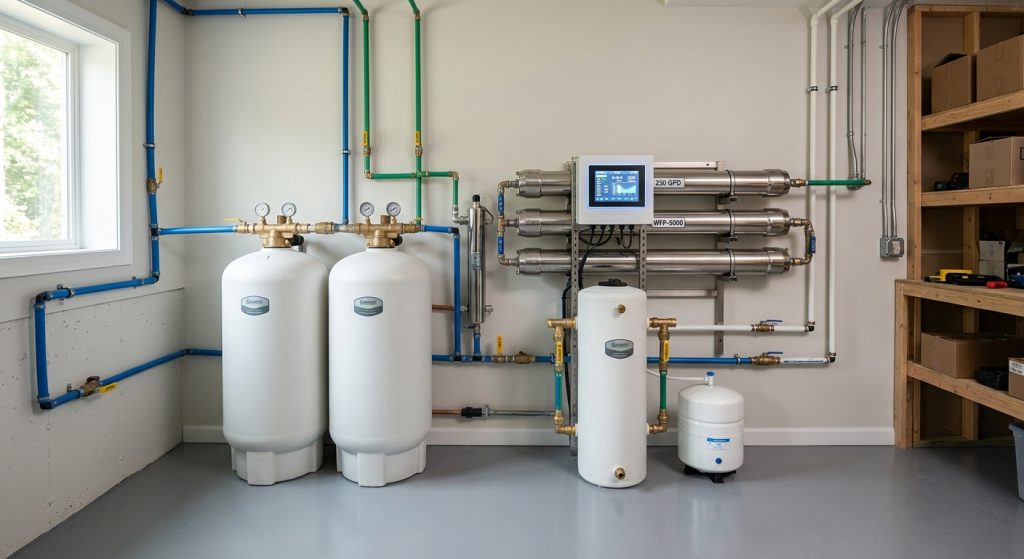
Picking the right whole house reverse osmosis system in 2026 isn’t just about good taste anymore. The EPA now says
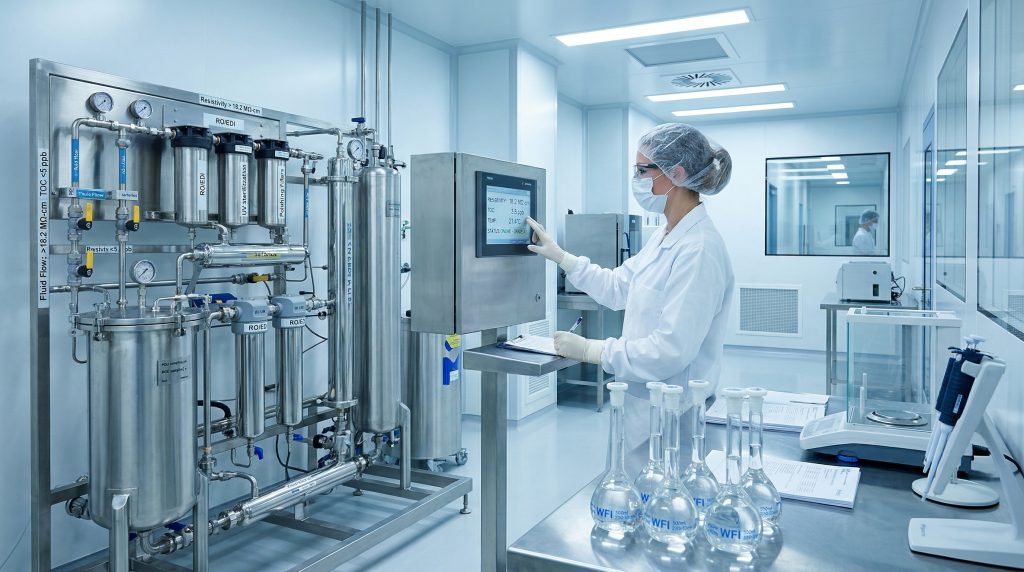
USP Grade Water Purification: Pharmaceutical Water Treatment Systems Guide 2026 Pharmaceutical water is not just clean water. It is a
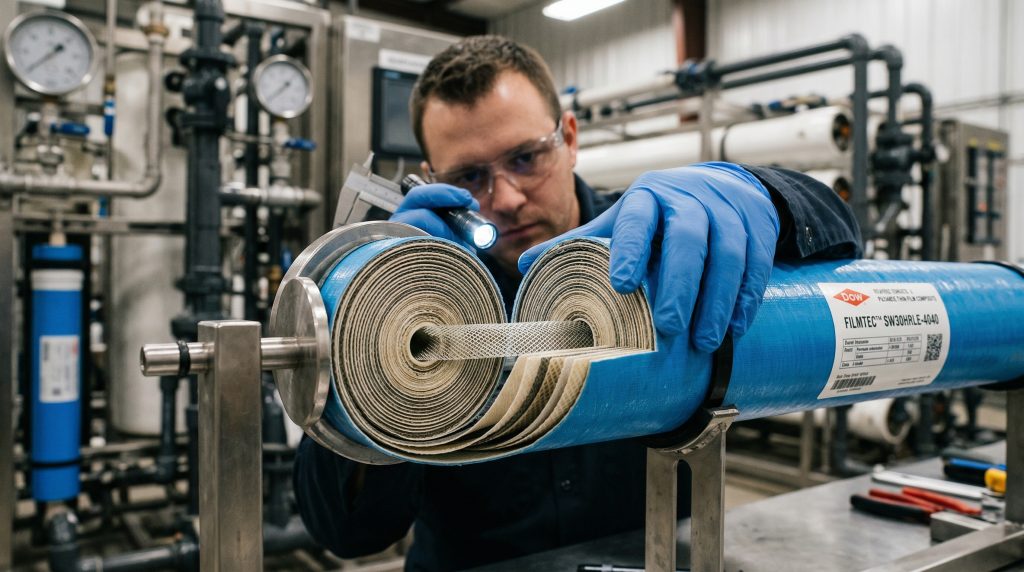
Reverse Osmosis Membrane Lifespan: How Long Do RO Membranes Last? [Maintenance Guide] Reverse osmosis membranes are the heart of any
Quick Answer: Solar-powered water purification systems use photovoltaic panels to run reverse osmosis units without grid electricity or diesel fuel.
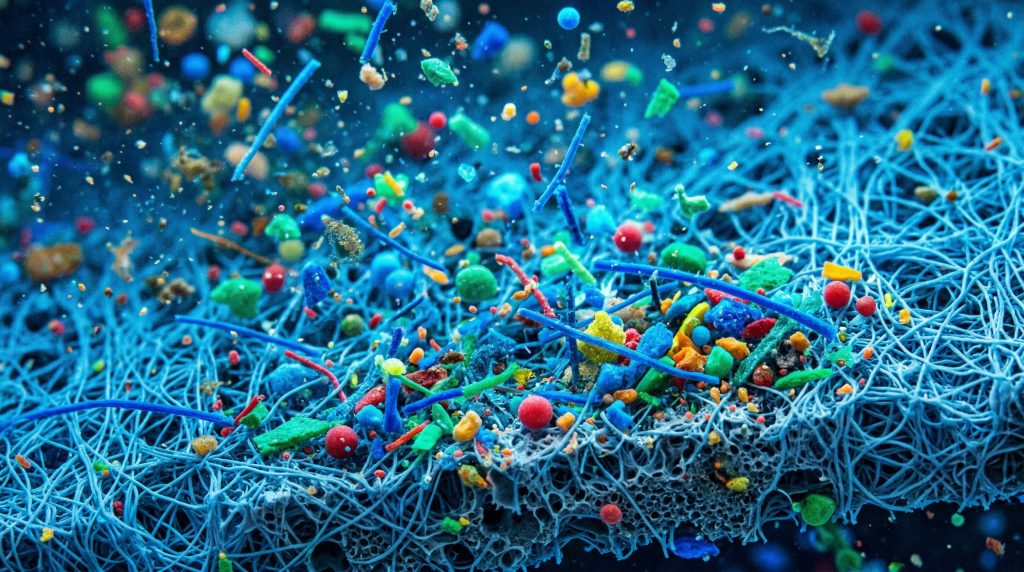
Quick Answer: Yes, reverse osmosis removes more than 99.9% of microplastics from drinking water. RO membrane pores (0.0001 microns) are
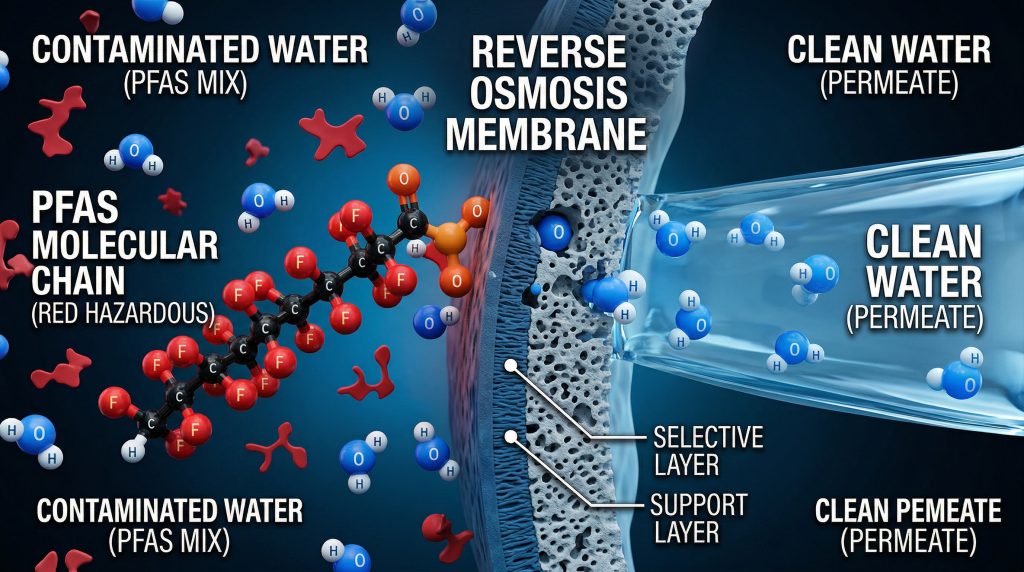
Quick Answer: Reverse osmosis removes 90-99% of PFAS (per- and polyfluoroalkyl substances) from drinking water, making it one of the
Quick Answer: Reverse osmosis (RO) is a water purification process that forces water through a semipermeable membrane with pores as