
Access to clean and safe drinking water is a fundamental human right. However, millions around the world still face the threat of arsenic contamination in their water sources. If you’re looking for an effective way to remove arsenic from your drinking water, investing in a high-quality arsenic filter is crucial. In this comprehensive guide, we will explore everything you need to know about arsenic in water, the dangers it poses, how arsenic filters work, and which arsenic filtration systems are the most reliable — including advanced solutions from AMPAC USA (ampac1.com).
What Is Arsenic and Why Is It in Your Water?
Arsenic is a naturally occurring element found in the earth’s crust. While it can enter the water supply through natural mineral deposits, it is also a byproduct of industrial and agricultural processes. Arsenic can contaminate groundwater sources, especially in regions with high geological arsenic content or poor environmental regulations.
There are two primary forms of arsenic found in water:
-
Arsenic III (As3 or arsenite) – More toxic and harder to remove.
-
Arsenic V (As5 or arsenate) – Less toxic and easier to filter.
An effective arsenic filter must be capable of removing both forms, especially the more elusive arsenite.
Why Is Arsenic in Drinking Water Dangerous?
Long-term exposure to arsenic, even in trace amounts, can lead to serious health consequences, including:
-
Cancer (especially skin, lung, bladder, and kidney)
-
Cardiovascular disease
-
Neurological effects
-
Diabetes
-
Skin lesions and pigmentation changes
-
Developmental issues in children
The World Health Organization (WHO) and the U.S. Environmental Protection Agency (EPA) have set the maximum allowable arsenic concentration in drinking water at 10 parts per billion (ppb). However, studies show that even levels below this threshold can still pose a risk over time.
How Does an Arsenic Filter Work?
A dedicated arsenic filter uses specialized media to target and remove arsenic from water. The type of filtration method depends on the arsenic form and water conditions, but some common technologies include:
1. Adsorptive Media (Activated Alumina or Iron-Based Media)
These media are effective at attracting and binding arsenic molecules, especially arsenate (As5). They’re best used when pH is between 6.5 and 8.5.
2. Ion Exchange
In this method, arsenic ions are exchanged with chloride or hydroxide ions on a resin surface. Ion exchange is often used in whole-house arsenic filters.
3. Reverse Osmosis (RO)
RO systems force water through a semi-permeable membrane, filtering out up to 95–99% of contaminants, including arsenic. For arsenic III, pre-oxidation is usually needed to convert it into arsenic V for effective removal.
4. Oxidation + Filtration
Some arsenic filters use oxidizing agents (like chlorine or potassium permanganate) to convert arsenic III to arsenic V, followed by filtration through iron media or manganese greensand.
5. Point-of-Use (POU) vs. Point-of-Entry (POE) Systems
-
POU filters treat water at specific outlets (e.g., kitchen tap).
-
POE systems treat all water entering the home and are better for whole-house protection.
Signs You Might Need an Arsenic Filter
Arsenic is colorless, tasteless, and odorless, so it’s impossible to detect without testing. You may need an arsenic filter if:
-
Your water is from a private well.
-
You live in an area known for arsenic contamination.
-
Local water reports indicate elevated arsenic levels.
-
You experience unexplained health issues over time.
Always perform lab-certified water testing to confirm arsenic presence before choosing a filter.
What to Look for in an Arsenic Filter
When selecting the best arsenic filter, consider the following features:
✅ Certified Performance
Look for filters certified to NSF/ANSI Standard 53 or 58, indicating verified arsenic reduction.
✅ Dual Arsenic Removal
Choose systems that effectively remove both arsenic III and arsenic V.
✅ Maintenance & Lifespan
Check media replacement intervals and maintenance ease.
✅ Water Chemistry Compatibility
Ensure the filter works with your water’s pH, iron content, and hardness level.
✅ Flow Rate & Capacity
For whole-house systems, ensure the arsenic filter supports your household’s water usage.
Arsenic Filter Installation and Maintenance Tips
Installing an arsenic filter isn’t a one-size-fits-all solution. Here are some key tips:
-
Professional installation is recommended for whole-house units.
-
Pre-treatment may be required for iron, manganese, or sulfur.
-
Test water periodically to monitor filter performance.
-
Replace media as per manufacturer guidelines to maintain removal efficiency.
Top Benefits of Using an Arsenic Filter
-
Health Protection – Avoid long-term arsenic-related illnesses.
-
Peace of Mind – Know your water is clean and safe.
-
Compliance with Regulations – Stay within EPA and WHO guidelines.
-
Improved Taste & Odor – Arsenic filters can also reduce other contaminants.
-
Eco-Friendly – Reduce reliance on bottled water.
Comparing Arsenic Filters to Other Filtration Systems
| Feature | Arsenic Filter | Carbon Filter | UV Filter | Sediment Filter |
|---|---|---|---|---|
| Removes Arsenic | ✅ Yes | ❌ No | ❌ No | ❌ No |
| Removes Bacteria | ⚠ Only with RO | ❌ No | ✅ Yes | ❌ No |
| Removes Odors | ✅ Some types | ✅ Yes | ❌ No | ❌ No |
| Installation Type | POU/POE | POU | POU | POU/POE |
| Best Use | Arsenic Removal | Chlorine & VOCs | Microorganisms | Particulates |
How to Test Water for Arsenic
Before installing an arsenic filter, conduct a comprehensive water test:
-
Use a certified laboratory that offers arsenic testing.
-
Collect water sample in a sterile container as instructed.
-
Submit the sample and wait for results (typically 5–7 days).
-
Retest water every 6–12 months or after any major plumbing change.
Why Arsenic Filters Are a Must-Have for Well Owners
If your home relies on well water, you are not protected by municipal filtration systems. Arsenic in wells is often a hidden hazard and may fluctuate over time. A reliable arsenic filter ensures your family’s safety from this silent threat.
AMPAC USA: Advanced Arsenic Filter Solutions You Can Trust
When it comes to trusted, high-performance filtration systems, AMPAC USA is a leading provider. They offer custom-engineered arsenic filter systems for residential, commercial, and industrial applications. Here are some of their top-rated arsenic filtration solutions:
🔹 AMPAC USA Whole House Arsenic Filter System
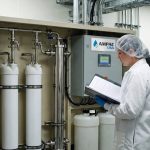
Designed to remove both arsenic III and V, this POE system is ideal for homes using well water. It combines oxidation, filtration, and adsorption to ensure complete arsenic removal.
🔹 AMPAC USA Reverse Osmosis Systems
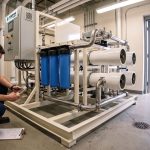
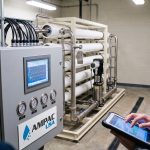
These multi-stage RO systems are built for superior arsenic rejection and include pre-treatment stages to convert arsenic III to arsenic V. Available in compact under-sink models and large commercial units.
🔹 AMPAC USA Custom Industrial Arsenic Filters
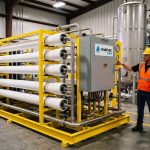
Perfect for industrial plants, bottling facilities, and large-scale operations requiring NSF-compliant, continuous arsenic-free water.
🔹 AMPAC USA Mobile Water Filtration Units
Ideal for emergency relief or remote operations, these mobile arsenic filter units come with RO technology and pre-treatment systems in a trailer-based or skid-mounted setup.
All AMPAC systems are engineered in the USA, rigorously tested, and backed by a team of water treatment experts.
AMPAC USA treats arsenic removal as its own problem rather than a general filtration one.
Conclusion: Protect Your Family with the Right Arsenic Filter
Arsenic contamination is not something to ignore. Whether you’re using well water or facing regional contamination, an arsenic filter is a smart and necessary investment in your long-term health and safety. With the right filter in place — such as those from AMPAC USA — you can confidently say goodbye to arsenic and hello to pure, safe, and great-tasting water.
🔗 Explore Reliable Arsenic Filter Solutions at AMPAC USA
Don’t compromise on water quality. Choose from a wide range of arsenic filters, including:
-
Residential Arsenic Removal Systems
-
Commercial RO Arsenic Filtration Units
-
Industrial Skid-Mounted Arsenic Filters
-
Mobile Arsenic Treatment Plants
Visit ampac1.com to explore your options and request a free consultation today.
Frequently Asked Questions
What are the primary health risks associated with long-term arsenic exposure in drinking water?
Long-term exposure to arsenic, even at low levels, can lead to severe health issues including various cancers (skin, lung, bladder, kidney), cardiovascular disease, neurological effects, and developmental problems in children. The World Health Organization and EPA set a maximum allowable concentration of 10 parts per billion (ppb) due to these risks.
What is the difference between Arsenic III and Arsenic V, and why is it important for water filtration?
Arsenic III (arsenite) is the more toxic and challenging form to remove from water, while Arsenic V (arsenate) is less toxic and easier to filter. An effective arsenic filtration system, like those engineered by AMPAC USA, must be capable of reliably removing both forms to ensure comprehensive protection.
How do common arsenic filter technologies, like adsorptive media, remove arsenic from water?
Adsorptive media, such as activated alumina or iron-based media, work by attracting and binding arsenic molecules to their surface, particularly arsenate (As5). These media are most effective when the water’s pH is maintained between 6.5 and 8.5, ensuring optimal arsenic removal efficiency.
What is considered a safe level of arsenic in drinking water by regulatory bodies?
The U.S. Environmental Protection Agency (EPA) and the World Health Organization (WHO) have established a maximum contaminant level of 10 parts per billion (ppb) for arsenic in drinking water. However, studies indicate that even concentrations below this threshold can still pose health risks over prolonged exposure.
Can a single arsenic filter effectively remove both Arsenic III and Arsenic V?
Yes, a truly effective arsenic filter must be designed to remove both Arsenic III (arsenite) and Arsenic V (arsenate), as Arsenic III is more toxic and harder to filter. AMPAC USA’s advanced purification systems are specifically engineered with specialized media and technologies to ensure comprehensive removal of both arsenic forms.
Related Articles
- Water Filters That Remove Nitrates: A Complete Guide to Protecting Your Health
- Ultrafiltration Water Filter: Advanced Purification for Safe and Pure Water
- Lead Removal Filter: A Crucial Step Toward Safe, Clean Drinking Water
- Relationships between regulated DBPs and emerging DBPs of health concern in U.S. drinking water
Conclusion
Arsenic is one of those contaminants you can’t taste, smell, or see, which is exactly why well owners in particular need to test for it rather than assume their water is fine because it looks and tastes normal. The right filter depends on the form of arsenic you’re dealing with — Arsenic III behaves differently than Arsenic V, and not every adsorptive media or ion exchange system handles both equally well, though reverse osmosis reliably removes both when paired with proper testing upfront. If you’re dealing with other heavy metals alongside arsenic, our guide to lead removal filtration covers a similar filtering approach. Contact our team at info@ampac1.com or (909) 548-4900 to get the right arsenic filter for your water test results.
AMPAC USA engineers custom water purification systems for commercial, industrial, and emergency applications — from 500 GPD to multi-million GPD. Trusted by municipalities, military, and industry worldwide.