
An RO system removes lead from drinking water at up to 95–99% efficiency, making reverse osmosis one of the most effective solutions for lead contamination. Water contamination by lead is a major health concern worldwide — the U.S. EPA sets the lead action level at 15 ppb, and there is no known safe level of lead exposure. In this guide, we’ll explore how RO systems work, their effectiveness against lead, the health risks of lead exposure, and why AMPAC USA provides some of the most trusted solutions in the industry.
Understanding the Dangers of Lead in Drinking Water
What Is Lead Contamination?
Lead is a toxic heavy metal that can seep into drinking water through corroded plumbing systems, old lead pipes and solder joints, industrial waste, and environmental pollution. Once ingested, lead accumulates in the body, causing long-term damage. The NSF International certifies water treatment devices specifically for lead reduction under NSF/ANSI Standard 58.
Health Risks of Lead Exposure
Lead is particularly dangerous because the body mistakes it for calcium, allowing it to build up in bones, tissues, and organs. Risks include neurological damage in children (reduced IQ, learning disabilities), developmental delays, kidney damage, reproductive issues, and cardiovascular disease. There is no safe level of lead exposure, making removal from drinking water essential.
Does an RO System Remove Lead? How It Works
How RO Works Against Lead
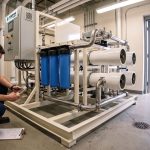
A reverse osmosis system uses a semipermeable membrane with tiny pores (around 0.0001 microns). This membrane allows only pure water molecules to pass through while rejecting contaminants such as heavy metals (lead, arsenic, mercury), nitrates, fluoride, chlorine by-products, and bacteria. Independent studies and field applications show that an RO system removes lead at up to 95–99% efficiency, making it one of the most reliable water purification methods available for households, businesses, and industrial facilities.
Why RO Outperforms Other Lead Removal Methods
Activated Carbon Filters: Effective for chlorine and organic compounds, but not sufficient for lead removal alone.
Distillation Systems: Can remove lead but are impractical for everyday use due to energy consumption.
Ceramic Filters: Good for bacteria and sediment, but not designed for heavy metals.
Reverse Osmosis stands out as the most reliable and practical method for long-term protection against lead in drinking water.
Benefits of Using an RO System for Lead Removal
High Filtration Efficiency – RO systems provide comprehensive filtration that targets multiple contaminants in addition to lead.
Better Taste & Odor – Along with heavy metals, RO removes chlorine, sulfates, and other chemicals that affect the taste and smell of water.
Cost-Effective Alternative to Bottled Water – An RO system eliminates the need for expensive bottled water while ensuring safer, fresher water.
Safe for Cooking and Drinking – Whether for preparing infant formula, cooking, or direct consumption, RO water provides peace of mind.
AMPAC USA RO Solutions for Lead Removal
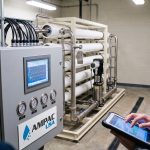
At AMPAC USA, we specialize in advanced RO water treatment systems designed to tackle tough contaminants like lead. Our certified systems include:
Residential Reverse Osmosis Systems
Perfect for households concerned about lead contamination, AMPAC USA residential RO systems ensure safe, clean, and great-tasting water directly from your kitchen tap.
Commercial Reverse Osmosis Systems
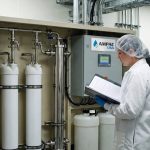
For restaurants, offices, and small businesses, our commercial RO units deliver large volumes of purified water while effectively removing lead and other toxins.
Industrial Reverse Osmosis Systems
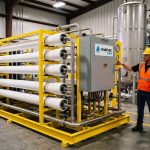
Industries dealing with manufacturing, food processing, or pharmaceuticals require high-capacity purification. See our guide on Industrial Reverse Osmosis Treatment for details on AMPAC USA’s industrial solutions.
Mobile and Emergency RO Systems
AMPAC USA also provides mobile water purification trailers and emergency RO systems vital in disaster recovery, military applications, and remote operations — each capable of treating contaminated sources with dangerous levels of lead.
Tips for Maintaining an RO System for Lead Removal
Regular Filter Replacement – Pre-filters and post-filters must be replaced as scheduled to maintain efficiency.
Membrane Care – The RO membrane should be replaced every 2–3 years depending on water quality.
System Sanitization – Regular cleaning prevents bacterial buildup.
Water Testing – Test your water annually for lead to confirm your RO system is performing correctly.
Real-World Applications
Homes with old plumbing systems – eliminating the risk of lead leaching from pipes.
Schools and daycare centers – protecting children from harmful exposure.
Restaurants and cafes – ensuring safe cooking and drinking water.
Industries – maintaining water purity for sensitive processes.
Also read: Water Treatment Chemicals and Conductivity of RO Water for related water quality guides.
See AMPAC USA’s approach to lead removal for system options.
Conclusion
So, does an RO system remove lead? The answer is a resounding YES. An RO system removes lead at up to 99% efficiency, making reverse osmosis one of the most efficient, affordable, and accessible solutions for tackling lead contamination. With growing concerns over water safety worldwide, investing in a reliable RO system is essential.
At AMPAC USA, we are committed to providing state-of-the-art RO systems for residential, commercial, industrial, and emergency use. Whether you’re safeguarding your family, business, or community, AMPAC USA ensures clean, safe, and lead-free water. Also see: Does Reverse Osmosis Remove Coliform Bacteria?
Frequently Asked Questions
How effective is a reverse osmosis system at removing lead from drinking water?
A reverse osmosis (RO) system is highly effective, removing lead at up to 95–99% efficiency. Its semipermeable membrane, with pores as small as 0.0001 microns, physically blocks lead ions and other heavy metals, ensuring significantly cleaner water. AMPAC USA’s industrial-grade RO systems are engineered for consistent, high-performance lead reduction, a capability validated by extensive field applications.
What specific health risks are associated with lead exposure from drinking water?
Lead in drinking water poses severe health risks, particularly neurological damage in children, including reduced IQ and learning disabilities. It can also cause developmental delays, kidney damage, reproductive issues, and cardiovascular disease in adults. The body mistakenly absorbs lead as calcium, allowing it to accumulate and cause long-term, irreversible harm, as there is no known safe level of exposure.
How does the RO membrane specifically filter out lead particles?
The reverse osmosis membrane operates by hydrostatic pressure, forcing water molecules through its extremely fine pores, which are approximately 0.0001 microns in size. These pores are too small for lead ions and other dissolved solids to pass, effectively rejecting them while allowing purified water to flow through. This physical separation makes RO a superior and reliable method for heavy metal removal.
Can activated carbon filters or ceramic filters remove lead as effectively as RO?
No, activated carbon filters are primarily effective for chlorine and organic compounds, while ceramic filters target bacteria and sediment; neither is sufficient for comprehensive lead removal. Reverse osmosis stands out as the most reliable and practical method because its semipermeable membrane is specifically designed to reject heavy metals like lead, a capability certified by standards such as NSF/ANSI Standard 58.
What is the U.S. EPA’s stance on lead levels in drinking water?
The U.S. EPA sets the lead action level at 15 ppb (parts per billion) for public water systems, but emphasizes there is no known safe level of lead exposure. This underscores the critical need for effective lead removal from all drinking water sources. AMPAC USA leverages over 30 years of field experience, from military bases to municipalities, to design RO systems that consistently meet or exceed these stringent requirements.
Conclusion
Lead removal isn’t a one-time fix — RO membranes need regular monitoring and periodic replacement to keep rejection rates where they should be, especially in older homes with lead service lines or solder joints. Testing your water annually, even after installing an RO system, is the simplest way to confirm it’s still performing as designed. For a look at how RO handles other contaminants alongside heavy metals, see our piece on Does Reverse Osmosis Remove Coliform Bacteria? Contact our team at info@ampac1.com or (909) 548-4900 if you need help selecting or maintaining a lead-removal RO system.
AMPAC USA engineers custom water purification systems for commercial, industrial, and emergency applications — from 500 GPD to multi-million GPD. Trusted by municipalities, military, and industry worldwide.