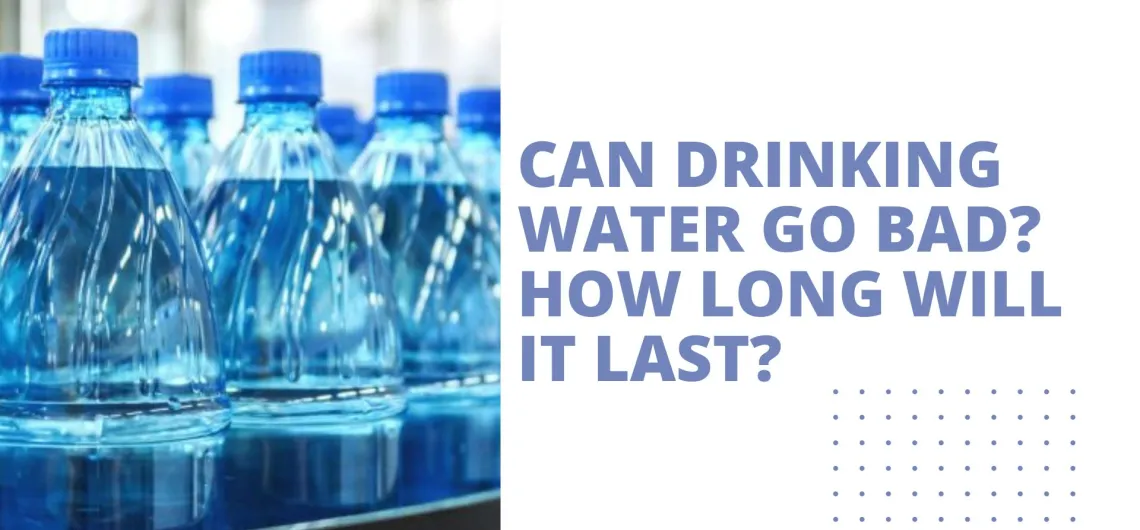

Drinking water is an activity we do multiple times a day. Drinking enough water according to our bodies’ requirements helps us stay healthy. If you also like to stay hydrated and healthy, you might have wondered can drinking water go bad? How long will it last? If so, read on to know the answers from the experts.
The Microorganisms
The Director of the Johns Hopkins University Water Institute, Dr. Kellogg Schwab, says that your mouth and lips introduce microorganisms into the water as soon as you take a sip of water. If there is sunlight streaming through the windows of your home or office and there is an ambient temperature in your home, the microorganisms might multiply swiftly.
How Long Water Stays Safe?
According to Dr. Schwab, if you keep clean water in a clean glass, it will stay safe for a day or two. As almost all tap water in the US contains chlorine additives, they will kill a small community of microorganisms. If you taste the water that is a day old and think it tastes unusual, it’s probably because water goes flat after about 12 hours as carbon dioxide from the air interacts with the H2O in your glass. It leads to a reduction in the pH of water. Even then, the water is most likely safe to drink, says Dr. Schwab.
The Rise of Bacteria
If someone uses the dirty glass day after day, it will raise the risk of exposure to unfriendly bacteria, especially when more than one person is using the glass and merging their mouth microorganisms with the microorganisms already present in the water. The safest thing to do is get a cup every few days and avoid sharing it with others. If you do share, wash it sooner than later.
Clean Hands Matter
Another thing to remember is that your hands should be clean when you touch the rim of the glass. If you touch it with dirty hands (especially hands not washed properly after using the bathroom, it can lead to health issues as there are countless sickness-causing bacteria in human waste. So, when you handle the glass with dirty hands, the bacteria might make their way into the water and then your stomach to make you very sick.
How Long Does Stored Water Last?
If you, like many people, have the habit of storing a plastic water bottle in your car or vehicle, you should know that is not a smart idea. Heat and plastic are a bad combination. Dr. Schwab says that a chemical called bisphenol-A, or BPA, in addition to other things used to manufacture plastic, can leach into your water if the bottle heats up or sits in the sun. BPA is a hormone disruptor that has tentatively been linked to several health hazards like heart disease and cancer.
The plastic used for bottling water isn’t meant to be washed or refilled. So, you should use them once and recycle them. You can also switch to refillable containers made of metal or glass as they are good for the environment while plastic is not.
The Shelf Life of Tap Water
According to Zane Satterfield, an engineer scientist with the National Environmental Services Center at West Virginia University, tap water has a shelf life of six months. After that, the chlorine dissipates to the point that bacteria and algae start to grow in the water. The growth will speed up if you store the water in a warm or sunny spot or in a glass container that hasn’t been thoroughly washed or sealed.
When to Swap Stored Water?
If you have kept some water for an emergency in your basement, you should replace it every 12 months. In that period, some water will evaporate, proving that plastic can be penetrated.
How to Drink Water Stored for Long Periods?
Before drinking water stored for prolonged periods, you can add some plain, unscented bleach drops and wait 30 minutes. Doing so will make your water safe to drink. Four drops per gallon should be sufficient.
Always Drink 100% Contamination Free Water- Trust AMPAC USA
Drinking 100% contamination-free water is also the secret to staying healthy and avoiding being sick. You can trust the water treatment solutions offered by AMPAC USA.
AMPAC USA is a leading manufacturer and distributor of high-quality American-made water treatment systems. The company was founded in 1990. AMPAC USA started as a manufacturer of water purification equipment. Over the years, the business has transitioned into a large-scale manufacturer producing all types of major purification equipment and turnkey project-based water infrastructure installations.
AMPAC USA is particularly noted for its superior technical services. We understand harsh operating marine conditions. We use military and marine-grade certified components in off-shore and on-shore reverse osmosis watermakers. We build easy-to-operate, heavy-duty, robust, and reliable equipment. Without compromise, AMPAC USA custom-engineers, designs, fabricates, and manufactures systems to suit the toughest water treatment conditions anywhere on the planet.
To know more about us, click here or call us on 909-548-4900.
Frequently Asked Questions
How long is tap water safe to drink after being poured?
Clean tap water in a clean glass is generally safe to drink for one to two days. The chlorine additives present in most US tap water help to kill small communities of microorganisms introduced from your mouth. While the water may go ‘flat’ due to carbon dioxide interaction, it remains potable.
Why does drinking water taste ‘flat’ after sitting out?
Water often tastes ‘flat’ after sitting out for about 12 hours because carbon dioxide from the air interacts with the H2O in your glass. This interaction leads to a slight reduction in the water’s pH level. Despite the altered taste, the water is typically still safe to drink.
What causes bacteria to grow in drinking water?
Bacteria can proliferate in drinking water primarily from microorganisms introduced by your mouth and lips when you take a sip. These microorganisms multiply swiftly, especially in ambient temperatures and sunlight. Using dirty glasses repeatedly or sharing them significantly increases the risk of bacterial growth and exposure.
What are the risks of drinking water from plastic bottles left in a hot car?
Storing plastic water bottles in a hot car is not advisable due to the combination of heat and plastic. Chemicals like bisphenol-A (BPA) and other manufacturing components can leach from the plastic into your water. This chemical leaching can compromise the water quality and pose potential health risks.
How often should I wash my drinking glass to prevent contamination?
To minimize the risk of bacterial exposure, it’s safest to use a clean cup every day or two and avoid sharing it. Microorganisms from your mouth and dirty hands can easily transfer to the glass rim and into the water, potentially causing sickness. Regular washing ensures optimal hygiene.
Related Articles
- 7 Science-Backed Advantages of Drinking Purified Water
- What are the Key Types of Drinking Water Contaminants?
- Will California's Water Woes End in 2022? There's Hope
- Benefits of Drinking Water for Brain Health
Conclusion
Stored water doesn’t go “bad” the way food does, but leaving it in a dirty glass, a hot car, or sitting for more than a day or two invites the exact problems covered above: lip-introduced bacteria multiplying in warm conditions, or BPA leaching from sun-baked plastic. The simplest fix is starting with water that’s already free of the contaminants that make storage riskier in the first place. See our breakdown of the key types of drinking water contaminants for more on what to watch for. Questions about keeping your household’s water supply clean? Call AMPAC USA at (909) 548-4900 or email info@ampac1.com.
AMPAC USA engineers custom water purification systems for commercial, industrial, and emergency applications — from 500 GPD to multi-million GPD. Trusted by municipalities, military, and industry worldwide.