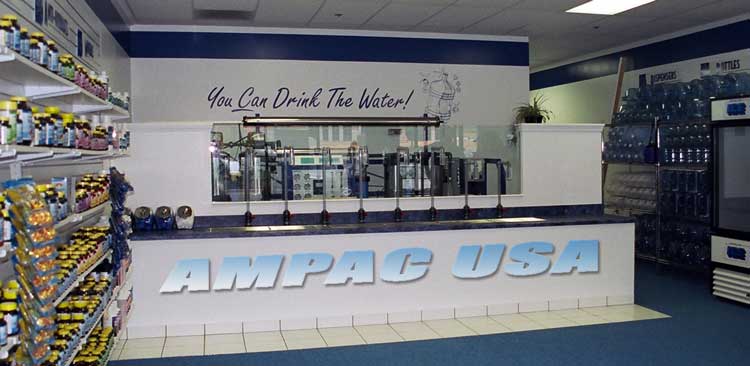

Water quality plays a pivotal role in supporting our health and well-being. As concerns about contaminated water supplies grow, water stores emerge as a dependable solution for consumers seeking clean, purified, and safe drinking water. Understanding what distinguishes water stores from other sources reveals why they remain the optimal choice for maintaining health.
Purification Processes That Exceed Standards
Water stores implement state-of-the-art purification technologies like reverse osmosis (RO), ultraviolet (UV) treatment, and activated carbon filtration. These systems ensure the removal of harmful contaminants such as chlorine, lead, heavy metals, and pathogens. Unlike municipal supplies, which may leave residual chemicals, the multi-stage filtration process used at water stores offers water that surpasses regulatory standards, providing peace of mind with every sip.
Reverse Osmosis: Eliminating Dissolved Impurities
Reverse osmosis plays a crucial role in producing high-quality drinking water. It removes even the smallest particles, including dissolved salts, minerals, and microorganisms, ensuring the water is free from potentially harmful elements. This level of purification is especially beneficial in areas with high levels of water hardness or chemical runoff.
UV Treatment: Safeguarding Against Microbes
UV light technology is employed to neutralize bacteria, viruses, and other pathogens. This chemical-free disinfection method offers an extra layer of protection, making it particularly effective in ensuring safe drinking water without altering the taste or introducing additional chemicals.
Read: Global Desalination Industry Research 2024: A Comprehensive Analysis
Health Benefits of Consuming Purified Water
Consuming water from a water store provides numerous health advantages. Clean water aids in digestion, detoxification, and nutrient absorption, and helps regulate body temperature. Removing contaminants such as chlorine and heavy metals ensures the water supports optimal organ function and prevents the accumulation of toxins in the body.
Chlorine-Free Water Enhances Gut Health
Municipal water often contains chlorine to prevent bacterial growth, but excessive chlorine consumption can disrupt gut flora, leading to digestive issues. Water from stores offers a chlorine-free alternative, which promotes healthy gut bacteria and improves digestion.
Heavy Metal-Free Water Protects Long-Term Health
Exposure to heavy metals such as lead, mercury, and arsenic through drinking water can have severe health implications, including neurological issues and developmental problems. Water stores eliminate these contaminants, ensuring consumers receive water that protects their long-term well-being.
Eco-Friendly Approach to Water Consumption
Water stores encourage the use of refillable containers, reducing the need for single-use plastic bottles and contributing to a more sustainable lifestyle. Consumers can minimize plastic waste by refilling at water stores, aligning with global efforts to combat plastic pollution and environmental degradation.
Refill Stations: A Sustainable Practice
Many water stores offer convenient refill stations, allowing customers to bring their own containers and fill them with purified water. This not only reduces reliance on plastic bottles but also saves consumers money in the long term.
Carbon Footprint Reduction Through Localized Water Supply
Water stores typically source and purify water locally, which reduces the carbon footprint associated with transportation and distribution. This localized approach contributes to a more sustainable water consumption model compared to purchasing bottled water shipped over long distances.
Affordability and Accessibility of Premium Drinking Water
Water stores provide affordable access to premium-quality water. While bottled water may carry a hefty price tag, water stores offer consumers a cost-effective way to access high-quality drinking water. The ability to refill large containers ensures households have an ample supply without frequent purchases.
Cost Savings Over Time
By opting for refillable water containers, consumers can achieve significant savings compared to regularly purchasing bottled water. Water stores often offer discounts for bulk refills, making it an economically viable option for families and businesses.
Access to Specialty Water Products
In addition to purified drinking water, many water stores offer alkaline water, mineral-enhanced water, and distilled water. These specialty products cater to consumers with specific health preferences, providing options that support hydration and well-being.
Water Stores vs. Bottled Water: A Clear Advantage
When comparing water stores with bottled water, the advantages are clear. Bottled water contributes to plastic pollution, has limited quality transparency, and carries high costs. Water stores, on the other hand, emphasize sustainability, transparency, and affordability, making them the superior choice for health-conscious consumers.
Transparency in Water Quality Testing
Water stores often provide detailed information about their water testing processes, including the levels of TDS (Total Dissolved Solids), pH balance, and the absence of contaminants. This transparency ensures consumer confidence in the quality of the water they consume.
Reduced Environmental Impact of Plastic Waste
Bottled water consumption is a significant contributor to plastic pollution, with billions of plastic bottles discarded annually. Water stores help combat this issue by promoting refillable containers and reducing the need for single-use plastics.
Conclusion: Why Water Stores Are the Healthier Choice
Water stores offer a reliable, eco-friendly, and cost-effective solution for obtaining high-quality drinking water. Through advanced purification technologies and sustainable practices, they ensure consumers have access to water that supports optimal health. Choosing water stores over bottled water or untreated sources is a conscious decision toward a healthier lifestyle and a more sustainable planet.
Frequently Asked Questions
What purification technologies are typically used by water stores?
Water stores employ advanced multi-stage purification technologies such as reverse osmosis (RO), ultraviolet (UV) treatment, and activated carbon filtration. These systems work together to remove a broad spectrum of contaminants, including chlorine, lead, heavy metals, and pathogens, ensuring water quality that often surpasses municipal standards.
How does reverse osmosis contribute to clean drinking water at water stores?
Reverse osmosis (RO) is a critical purification step that removes even the smallest dissolved impurities, including salts, minerals, and microorganisms. This process is particularly effective in areas with high water hardness or chemical runoff, ensuring the water is free from potentially harmful elements and safe for consumption.
What health advantages come from drinking purified water from a water store?
Consuming purified water from a water store offers numerous health benefits, including improved digestion, detoxification, and nutrient absorption. By removing contaminants like chlorine and heavy metals, it supports optimal organ function, promotes healthy gut bacteria, and prevents the accumulation of toxins in the body.
Why is water from a water store considered healthier than municipal tap water?
Water stores utilize multi-stage purification processes that remove contaminants like chlorine, lead, and heavy metals, which may still be present in municipal supplies. This advanced filtration ensures water that is free from residual chemicals and pathogens, promoting better gut health and overall well-being compared to standard tap water.
What role does UV treatment play in water store purification?
UV light technology provides an essential chemical-free disinfection method in water stores. It effectively neutralizes bacteria, viruses, and other pathogens, offering an extra layer of protection to ensure the water is microbiologically safe without altering its taste or introducing additional chemicals.
Conclusion
What separates a water store from the tap or a bottle isn’t marketing — it’s the combination of reverse osmosis and UV treatment doing real work on contaminants and pathogens before the water ever reaches the dispenser. That’s a meaningfully different process than municipal treatment, which is built to meet a baseline standard rather than to maximize purity. If you’re curious about the equipment behind that process, see our water stores page. Contact our team at info@ampac1.com or (909) 548-4900 to discuss water store equipment or purification options.
AMPAC USA engineers custom water purification systems for commercial, industrial, and emergency applications — from 500 GPD to multi-million GPD. Trusted by municipalities, military, and industry worldwide.