
After the lead crisis hit the news a few years ago in August, Newark finally got some good news. The Essex County Improvement Authority gave them a huge $120 million loan. This money sped up the city’s original 10-year plan to replace its 14,000-plus lead service lines, turning it into a fast 3-year project. That’s a big win for everyone’s health.
The lead crisis had been brewing for three years, but it only recently caught national attention. An EPA report confirmed lead levels were over 15 parts per million (ppm), the federal action level, in the water of three homes with lead service lines. Many residents thought the filters given out the previous fall would solve things. But those filters didn’t work against the contamination, leaving people exposed to serious health risks.
Newark Gets the Support It Needs
In March 2019, Newark started the tough job of replacing its old pipes, including about 18,000 lead ones, some over a century old. The first plan called for a 10-year repair schedule, costing around $75 million. The city begged the federal government for help, but Newark officials said they couldn’t wait for federal approval. The situation was getting more dangerous every day, demanding immediate action.
The funds from Essex County gave the city the critical support it needed. We think the whole replacement project will be done within 24 to 30 months. Plus, residents won’t pay a dime for the repairs. The new loan covers everything. It shows what happens when funding is focused on a problem.
So, What Can Residents Do in the Meantime?
While the city’s pipe replacement program is moving fast, it’ll still take at least two more years to finish for everyone. Until then, those lead service lines could still expose households to contaminated water. The water bottles or basic filters the city gave out might not be enough. So, what’s the best way to protect yourself?
Get Emergency Equipment for Immediate Filtration
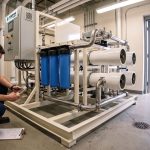
This means getting an emergency watermaker. These small units are designed to quickly turn contaminated water into safe drinking water. It’s a temporary fix for urgent needs, but it’s also super useful for other things later. These machines can turn water from the sea, groundwater, brackish sources, lakes, and rivers into the same high-quality water you need for health. Even after the immediate crisis passes, a watermaker is a smart, long-term buy. It needs very little upkeep and can be vital in future emergencies. You can check out our watermaker options.
Install a Good RO System for Your Home
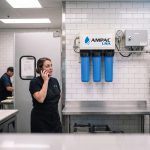
Think about a household RO system that filters every drop from your tap. You’ve got choices: under-sink filters or whole-house filters, depending on what you need. If you just want clean drinking water, an under-sink RO filter is a great pick. It removes almost every contaminant for years. Choosing a <3-, 4-, or even 5-stage RO system gives you consistent purification without you having to do anything. For Newark residents, especially those in more vulnerable homes, a 5-stage purifier is a smart move. It usually includes a remineralization filter, which takes out harmful stuff but keeps essential minerals. This specific model gives you 45-50 gallons per day (GPD) and uses very little energy.
We suggest our line of RO systems if you need pure water for every chore. With capacities from 2,000 to 8,000 GPD, this equipment can handle laundry, cleaning, cooking, and all bathroom needs. It’s incredibly easy to use. You get pure water from any faucet with the touch of a button. This water is perfect for anything around the house. Our guide to how reverse osmosis works will help you find the right product.
If you’re looking for a specific product or a custom solution for your water problems, call AMPAC USA at (909) 548 4900 or visit us at www.ampac1.www.ampac1.com. Our customer service is here 24/7. Plus, our experts can test your water quality to suggest the best RO option for you. If you’re in Newark and worried about your drinking water, get in touch with us today.
Related Articles
- Need for Portable Water Purification During COVID-19 Crisis
- Avoid That Lead – Lead Free Water Strategies, Reverse Osmosis
- Ineffective Filters Plague Newark, N.J. – Lead Contaminated Water
- Water Crisis Everywhere, Not A Drop To Drink – World Water Day
Frequently Asked Questions
How much funding did Newark receive for lead pipe replacement, and what is the new timeline?
Newark secured $120 million in settlement funding, primarily from Essex County, to accelerate its lead service line replacement program. This significant investment has reduced the estimated completion time for replacing over 20,000 lead pipes from a decade to just 24-30 months. The program aims to provide a permanent solution to infrastructure-based lead contamination.
Why were previously distributed filters ineffective during the Newark lead crisis?
An EPA report revealed that lead levels in some Newark homes exceeded 15 parts per million (ppm), indicating the filters distributed were ineffective against the contamination. This highlights the limitations of point-of-use filters when facing severe, infrastructure-based lead issues. Citizens should consider more robust, immediate filtration solutions while pipe replacement is underway.
What immediate steps can Newark residents take to protect against lead-contaminated water while pipes are being replaced?
While the city works to replace lead service lines, residents can utilize emergency watermakers for quick, effective filtration. These compact systems are designed to convert various contaminated water sources, including tap water, into safe drinking water, offering a reliable temporary solution. AMPAC USA specializes in robust water purification systems for challenging conditions.
Is the lead pipe replacement program in Newark free for residents?
Yes, the lead service line replacement program in Newark comes at no direct cost to citizens. The entire project is funded by the $120 million loan secured by the city, ensuring that all residents can benefit from the infrastructure upgrade without financial burden. This approach aims to accelerate the permanent solution to lead contamination.
What is considered the only permanent solution to infrastructure-based lead contamination?
The only permanent solution to infrastructure-based lead contamination is the complete replacement of lead service lines. While temporary measures like filters can offer some protection, removing the source of lead from the water delivery system is essential for long-term safety. Newark’s $120 million program is dedicated to achieving this permanent infrastructure upgrade.
AMPAC USA engineers custom water purification systems for commercial, industrial, and emergency applications — from 500 GPD to multi-million GPD. Trusted by municipalities, military, and industry worldwide.