
Alkaline water has a higher pH than standard tap or filtered water – typically 8-10 compared to the neutral 7.0 of pure water. You can make it at home in several ways, ranging from free to a few hundred dollars, depending on how consistently you want alkaline water and what else you need from your water source. Here’s a practical breakdown of each method, including what they actually do and what they don’t.
Prefer a ready-built system over a DIY setup? See AMPAC USA’s alkaline water systems.
Method 1: RO System + Remineralization Filter (Most Practical)
This is the most effective approach for anyone who also cares about water purity, not just pH. A reverse osmosis system removes 97-99.5% of dissolved contaminants – lead, PFAS, arsenic, nitrates, chlorine, fluoride – and the remineralization stage at the end restores calcium, magnesium, and potassium, which naturally raises the pH from ~6.5 to 7.5-8.5.
How it works: The RO membrane produces low-TDS, slightly acidic permeate. Water then passes through a calcite or calcium/magnesium oxide cartridge, which dissolves a controlled amount of mineral media into the water. The added alkalinity raises pH and restores the mineral content stripped by the RO process.
Result: Purified water with naturally elevated pH (7.5-8.5) and mineral content of approximately 50-150 ppm TDS.
Cost: $200 – $500 for a 5-6 stage under-sink RO system with remineralization, plus $20 – $40 annually for the remineralization cartridge.
Best for: Anyone who wants alkaline water AND wants to remove contaminants. This is the only method that does both.
Method 2: Alkaline Water Pitcher Filter
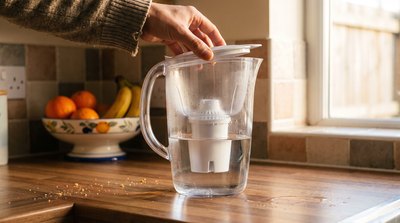
Pitcher-style alkaline filters work by passing tap water through media that adds minerals and raises pH passively. Brands like Santevia, Invigorated Water, and pH Refresh offer pitchers specifically designed for alkaline water.
How it works: Water drips through a layered filter containing calcium-based mineral media, activated carbon, and sometimes additional alkalizing agents. The carbon removes chlorine and some organics; the mineral media raises pH.
Result: pH typically 8.0-9.5; limited contaminant removal (chlorine and taste improvement, minimal effect on lead, nitrates, PFAS).
Cost: $30 – $80 for the pitcher, $15 – $30 for replacement filters every 60-90 days.
Best for: Lowest-effort entry into alkaline water; adequate if your tap water is clean and your only goal is pH elevation and taste improvement.
Method 3: Alkaline Water Drops or Concentrate
Concentrated alkaline mineral solutions added to water at the time of drinking. Common options include alkaline drops, hydrogen tablets, and trace mineral concentrates.
How it works: Adding the concentrate raises pH through the dissolved alkaline minerals (typically magnesium, sodium bicarbonate, or potassium bicarbonate-based formulas).
Result: pH adjustable from 7.0 to 10+ depending on dose; no filtration of contaminants.
Cost: $15 – $40 per bottle; 1-3 month supply depending on usage.
Best for: Occasional use, travel, or testing alkaline water before committing to a filter system. Not practical as a primary water source for a household.
Method 4: Baking Soda
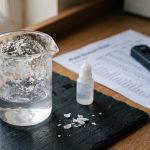
Sodium bicarbonate (baking soda) dissolved in water raises pH quickly and cheaply. 1/8 teaspoon in 8 oz of water produces pH ~8.0-8.5.
Considerations: This adds sodium – roughly 170 mg per 1/8 teaspoon, which matters for people on sodium-restricted diets. It doesn’t add calcium or magnesium. Long-term use is fine for most people but not recommended for anyone managing hypertension or sodium-sensitive conditions without consulting a physician.
Cost: Near zero.
Best for: Emergency or occasional use; not a long-term primary solution for most people.
Method 5: Electric Water Ionizer
Countertop or under-counter ionizer machines use electrolysis to split water into alkaline (hydroxide-rich) and acidic streams. High-end brands include Kangen, Life Ionizer, and Tyent.
How it works: Water passes over platinum-coated titanium electrodes. Electrolysis separates OH⁻ (alkaline) and H⁺ (acidic) ions. The alkaline stream is collected for drinking; the acidic stream is diverted.
Result: Highly adjustable pH (7.5-11 on most machines); also produces molecular hydrogen (H₂), which is the focus of most legitimate research on ionized water benefits. Does NOT purify water – contaminants in the tap water remain in the alkaline output.
Cost: $500 – $5,000+. Premium Kangen machines run $2,400 – $5,000. Entry-level ionizers: $200 – $500.
Best for: Users on clean municipal water who specifically want molecular hydrogen content and high, adjustable pH. Pairing a pre-filter or RO pre-treatment with an ionizer addresses the lack of contaminant removal.
Which Method Makes the Most Sense for Your Situation?
The right approach depends on what you’re actually trying to achieve:
- You want alkaline water AND clean water: RO + remineralization stage. Best value, best purification, naturally elevated pH.
- You want alkaline water, your tap water is clean, you want convenience: Alkaline pitcher filter. Adequate for most clean municipal supplies.
- You want the highest pH and molecular hydrogen content: Electric ionizer (with pre-filtration for contaminated water).
- You want to try it without spending money: Baking soda or alkaline drops first.
AMPAC USA’s under-sink RO systems with remineralization handle alkaline water production automatically – purifying your water first, then restoring minerals and pH in a single continuous system with no manual steps required.
Related Articles
- Data Says There Will Be a Rise in Demand of Alkaline Water- All You need to Know
- Get The Reverse Osmosis Gym Membership And Make Your Water Stronger!
- Alkaline vs Reverse Osmosis Water: Which Is Better for Drinking?
- Where To Find Alkaline Water Near Me? – Ampac USA
Frequently Asked Questions
What is the ideal pH range for alkaline water?
Alkaline water typically has a pH level ranging from 8 to 9.5, which is notably higher than the neutral pH of standard drinking water (around 7). This elevated pH is often accompanied by beneficial alkaline minerals such as calcium, potassium, and magnesium.
How does alkaline water benefit overall health and hydration?
Alkaline water is sought for its potential to balance the body’s pH, counteracting acidity from modern diets and stress. It is believed to improve hydration due to easier absorption, boost energy, support detoxification, and contribute to better bone health by reducing mineral loss.
What is a simple, cost-effective method to make water alkaline at home?
A practical and affordable method involves adding 1/2 teaspoon of baking soda (sodium bicarbonate) to 1 liter of filtered water. Stir until fully dissolved, then use pH test strips to confirm the pH is between 8 and 9.5. This method leverages baking soda’s natural alkalinity.
Can acidic ingredients like lemon actually make water alkaline?
Yes, while lemon is acidic by nature, its metabolic byproducts are alkaline once consumed. When lemon is added to water, the body processes it in a way that contributes to an overall alkalizing effect, making it a natural method for increasing water’s perceived alkalinity.
What tools are essential for verifying the pH of homemade alkaline water?
To ensure your homemade alkaline water meets the desired pH range of 8 to 9.5, essential tools include pH test strips or a digital pH meter. These instruments provide accurate readings, allowing you to confirm the effectiveness of your remineralization efforts.
How to Make Reverse Osmosis Water Alkaline
RO water is naturally low in dissolved solids because the reverse osmosis membrane strips out virtually everything, including minerals like calcium and magnesium that give tap water its taste and alkalinity. To make reverse osmosis water alkaline, most under sink RO systems add a remineralization cartridge as the final stage of filtration, raising the pH of RO water back into the alkaline range while adding back trace minerals. This step doesn’t just adjust pH xe2x80x94 it also helps improve the taste of RO water, which some people find flat without it. Alkaline water is sometimes marketed for digestive benefits such as acid reflux relief, though AMPAC recommends consulting a physician for any specific health concern rather than relying on water treatment alone.
Does alkaline reverse osmosis water help with acid reflux or improve the taste of water?
Some people report that alkaline water helps ease acid reflux symptoms, though clinical evidence is limited – anecdotal relief may come from neutralizing stomach acid pH. What’s well-documented is taste: adding minerals like calcium and magnesium back into RO water measurably improves the taste of water compared to plain, mineral-free RO output, since remineralization raises both pH and dissolved solids to levels most people find less flat.
AMPAC USA engineers custom water purification systems for commercial, industrial, and emergency applications — from 500 GPD to multi-million GPD. Trusted by municipalities, military, and industry worldwide.