

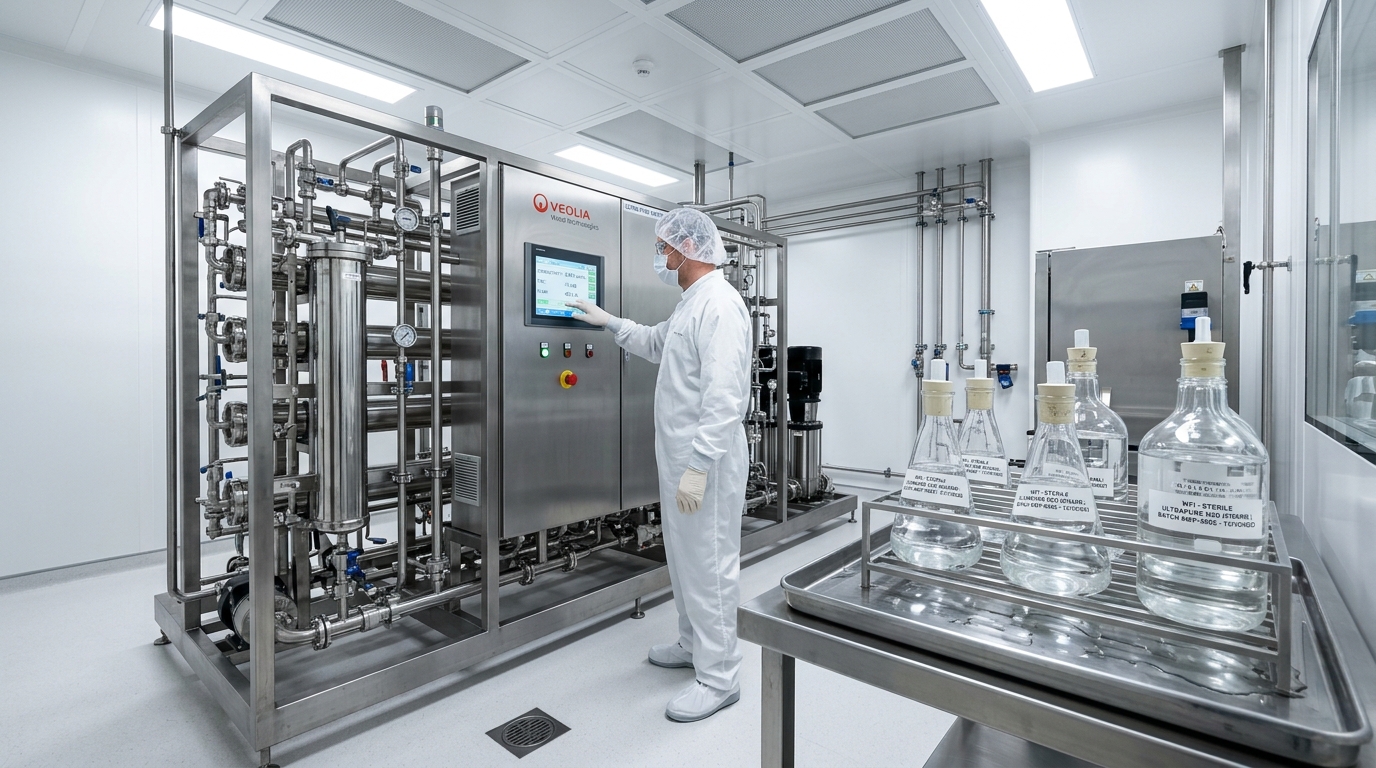

The post appeared first on . Source: Water Feed Global monitoring of pharmaceutical pollution is challenging due to the high cost and analytical intensity of traditional research methods, which limit access to necessary equipment. This creates significant geographic disparities in data, with most understanding currently based on research from high-income nations. A scalable and cost-effective approach is needed to address these limitations. This novel method is designed to quantify 61 active pharmaceutical ingredients (APIs) and their metabolites. It achieves detection at environmentally relevant nanogram-per-liter (ng/L) levels across various water matrices, including tap water, surface water, and both influent and effluent from wastewater treatment plants. The method employs a miniaturized sampling and shipping approach combined with a high-throughput, fully validated direct-injection High-Performance Liquid Chromatography-Tandem Mass Spectrometry (HPLC-MS/MS) technique. This significantly reduces the analytical intensity and cost, enabling large-scale monitoring campaigns across different geographical scales and diverse water sources globally. The method demonstrates high reliability with a median linearity (r^2) of 0.99 and intra- and inter-day repeatability and precision consistently below 20% for most determinations. Recoveries from various water matrices were within an acceptable range of 60-130%, and independent interlaboratory validation confirmed its robustness. This ensures accurate quantification at the ng/L levels required for environmental research. Characterizing pharmaceutical pollution levels is critical for designing effective water purification solutions, as these contaminants are complex and require advanced removal technologies. AMPAC USA, with over 30 years of experience, specializes in designing and manufacturing commercial and industrial reverse osmosis systems capable of removing such challenging pollutants. Our engineers leverage direct field experience from diverse installations, ensuring robust solutions for municipalities, industries, and military bases globally. AMPAC USA engineers custom water purification systems for commercial, industrial, and emergency applications — from 500 GPD to multi-million GPD. Trusted by municipalities, military, and industry worldwide.Frequently Asked Questions
Why is it difficult to monitor pharmaceutical pollution in aquatic environments globally?
What specific pharmaceutical compounds can this new monitoring method detect?
How does the new method improve the efficiency of large-scale pharmaceutical pollution monitoring?
How reliable and accurate is this novel method for detecting pharmaceutical pollution?
How does understanding pharmaceutical pollution levels relate to AMPAC USA’s water purification solutions?
large scale, no matter where you are.
Need a Water Treatment Solution?

About AMPAC USA
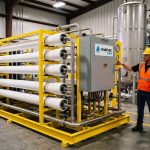
AMPAC USA manufactures advanced reverse osmosis and water purification systems for industrial, commercial, marine, and residential applications worldwide.
Visit AMPAC USACategories
Recent Posts
-
 Best Water for Baby Formula: Tap, Distilled, Nursery, Bottled or Filtered?
-
 Commercial RO System Maintenance: The Complete Annual Schedule
-
 Aging Pipes, Rising Advisories: On-Site RO as Business Continuity Insurance
-
 Ultrapure Water Demand Is Outpacing Supply: A Lab Water Guide for GMP Facility Engineers
-
 Zero Liquid Discharge Goes Mainstream: A Practical Entry Point for Manufacturers