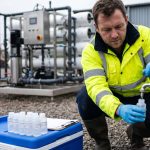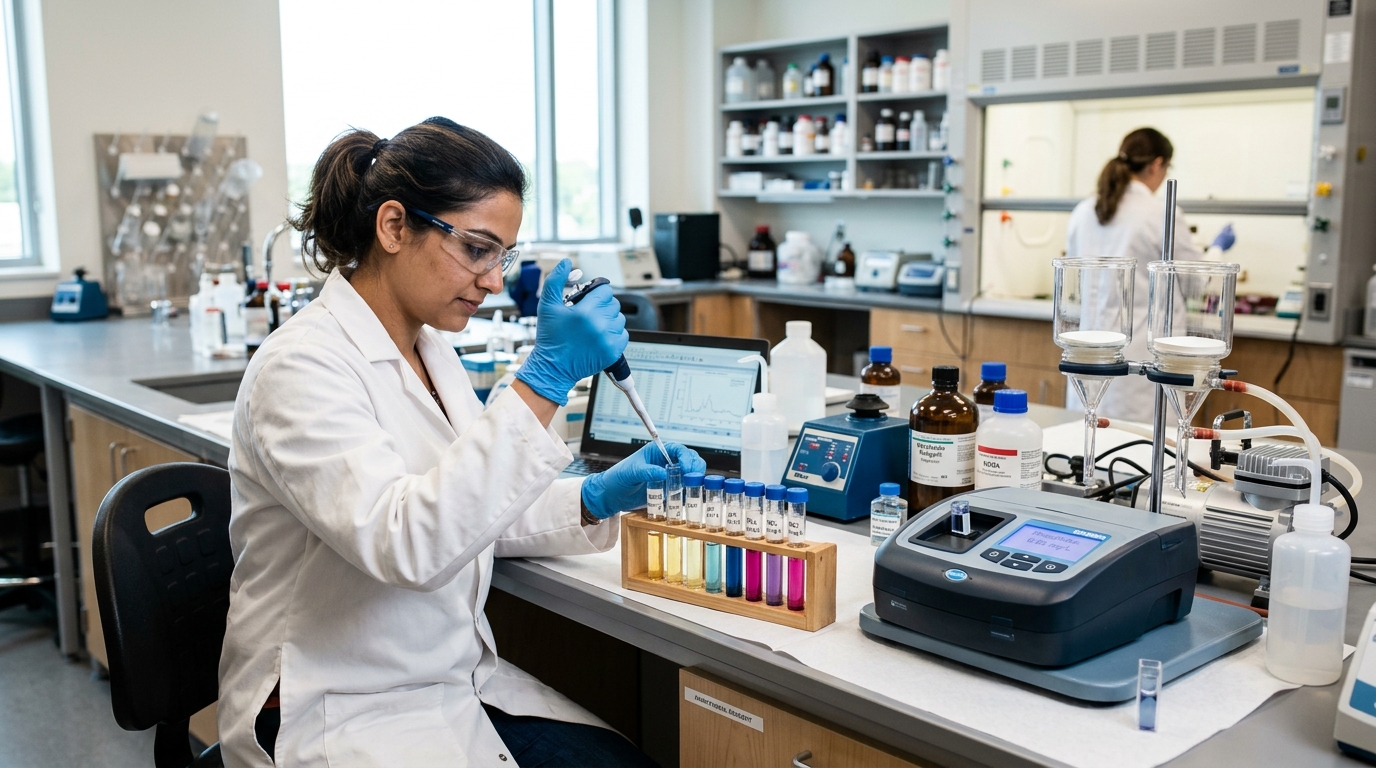

GenX (HFPO-DA) and other per- and polyfluoroalkyl ether acids (PFEAs) are the next generation of PFAS compounds. Companies developed them to replace older perfluorooctanoic acid (PFOA). We’ve found them in drinking water sources near fluorochemical plants. Now, the EPA sets maximum contaminant levels for them under the 2024 PFAS National Primary Drinking Water Regulation. Unlike long-chain PFAS, PFEAs don’t stick around in the environment as long, but they still build up in fish and other aquatic life. Even at tiny parts-per-trillion concentrations, they can cause liver and developmental problems. So, how do we get rid of them? Granular activated carbon, high-pressure membranes, and anion exchange resins are the main ways we know work for these compounds.
Hopkins, Z. R.; Sun, M.; DeWitt, J. C.; Knappe, D. R. U.
Journal – American Water Works Association, 110 (7):13-28; 10.1002/awwa.1073 2018
Abstract:For decades, a common processing aid for making fluoropolymers was ammonium salt of perfluorooctanoic acid (PFOA). PFOA lasts a long time, builds up in living things, and is toxic, so the US is phasing out its production and use. In 2009, the US Environmental Protection Agency set rules for making and using GenX, which replaced PFOA. While companies make GenX on purpose, its acid form also shows up as a byproduct when they make fluoromonomers. When researchers found high levels of GenX and related perfluoroalkyl ether acids (PFEAs) in the Cape Fear River and in the drinking water for over 200,000 North Carolina residents, everyone had to act fast. Researchers, regulators, public health officials, commercial labs, drinking water providers, and engineers all jumped in. This paper gives you details about where GenX comes from, how toxic it is, and a way to test for GenX and eight related PFEAs. It also talks about where we find GenX-PFEA in water and how different drinking water treatment methods remove it.© 2018 American Water Works Association.
The post Recently detected drinking water contaminants: genX and other Per- and polyfluoroalkyl ether acids. appeared first on Facts About Water.
Source: Water Feed
Frequently Asked Questions
What are GenX and PFEAs, and why are they a concern in drinking water?
GenX (HFPO-DA) and other per- and polyfluoroalkyl ether acids (PFEAs) are next-generation PFAS compounds developed as replacements for legacy PFOA. While they have shorter environmental half-lives, they still bioaccumulate in aquatic organisms and raise liver and developmental toxicity concerns at parts-per-trillion concentrations, leading to their detection in drinking water sources.
Are GenX and PFEAs regulated in U.S. drinking water?
Yes, GenX and other PFEAs are now subject to EPA maximum contaminant levels (MCLs) under the 2024 PFAS National Primary Drinking Water Regulation. This mandates their monitoring and removal from public water systems to protect public health.
What are the primary health concerns related to GenX and PFEAs?
Even at parts-per-trillion concentrations, GenX and PFEAs are known to bioaccumulate and have been linked to liver and developmental toxicity. These compounds are persistent in the environment and can pose long-term health risks through contaminated drinking water.
How are GenX and PFEAs removed from contaminated drinking water?
The primary validated technologies for removing GenX and PFEAs from drinking water include granular activated carbon (GAC), high-pressure membranes (such as reverse osmosis), and anion exchange resins. AMPAC USA, with 30+ years of experience, designs and manufactures commercial/industrial systems utilizing these advanced purification methods.
Where have GenX and PFEAs been detected in drinking water?
GenX and PFEAs have been detected in drinking water sources primarily near fluorochemical manufacturing facilities. Notable occurrences include the Cape Fear River and finished drinking water for over 200,000 residents in North Carolina, requiring swift action from researchers and regulators.
AMPAC USA engineers custom water purification systems for commercial, industrial, and emergency applications — from 500 GPD to multi-million GPD. Trusted by municipalities, military, and industry worldwide.