
Principal author(s)
Catherine M Pound, Becky Blair; Canadian Paediatric Society, Nutrition and Gastroenterology Committee
Abstract
Kids and teens drink a lot of sports drinks and caffeinated energy drinks (CEDs). Both can cause problems for their health, like obesity. Most kids don’t need sports drinks for everyday play or activities. CEDs hit kids and teens harder than adults because they weigh less. That means they get a bigger dose of stimulants for their body size. Doctors need to understand the difference between sports drinks and CEDs, and teach families about it. They should also always ask about CED use, especially when mixed with alcohol. Drinking CEDs with alcohol might mean a higher risk for substance use or other risky behaviors.
Keywords: Alcohol; Caffeine; CEDs; Energy drinks; Sports drinks
Why Water is Still the Best Drink for Kids
Marketers have spent a ton of money, over $1 billion each year, trying to get kids to drink sports and energy drinks. This has been happening for more than 20 years. But here’s the truth: the science consistently shows that water, especially clean, filtered water, is the best thing for kids to drink. This goes for all ages, whether they’re just playing or doing sports.
Sports drinks pack 14-17 grams of sugar into an 8-ounce serving. That’s about as much as soda. They also have sodium, potassium, and fake flavors. Sure, endurance athletes who sweat a lot for over an hour might need electrolytes. But your average child sipping a sports drink during a casual soccer practice or gym class doesn’t. All that extra sugar just adds calories, wears down tooth enamel (they’re super acidic, with a pH of 2.5-3.5), and makes kids prefer sweet drinks over water.
Caffeinated energy drinks are even riskier. A regular 8-ounce energy drink has 80-150 mg of caffeine. That’s like 1-2 cups of coffee! Plus, they often contain other stimulants like taurine, guarana, and B-vitamins. Kids weigh a lot less than adults, so the caffeine dose per pound of body weight is 2-4 times higher for them. Health Canada and the American Academy of Pediatrics both say no caffeine for kids under 12, and limit it for teens (no more than 100 mg per day).
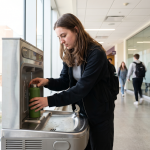
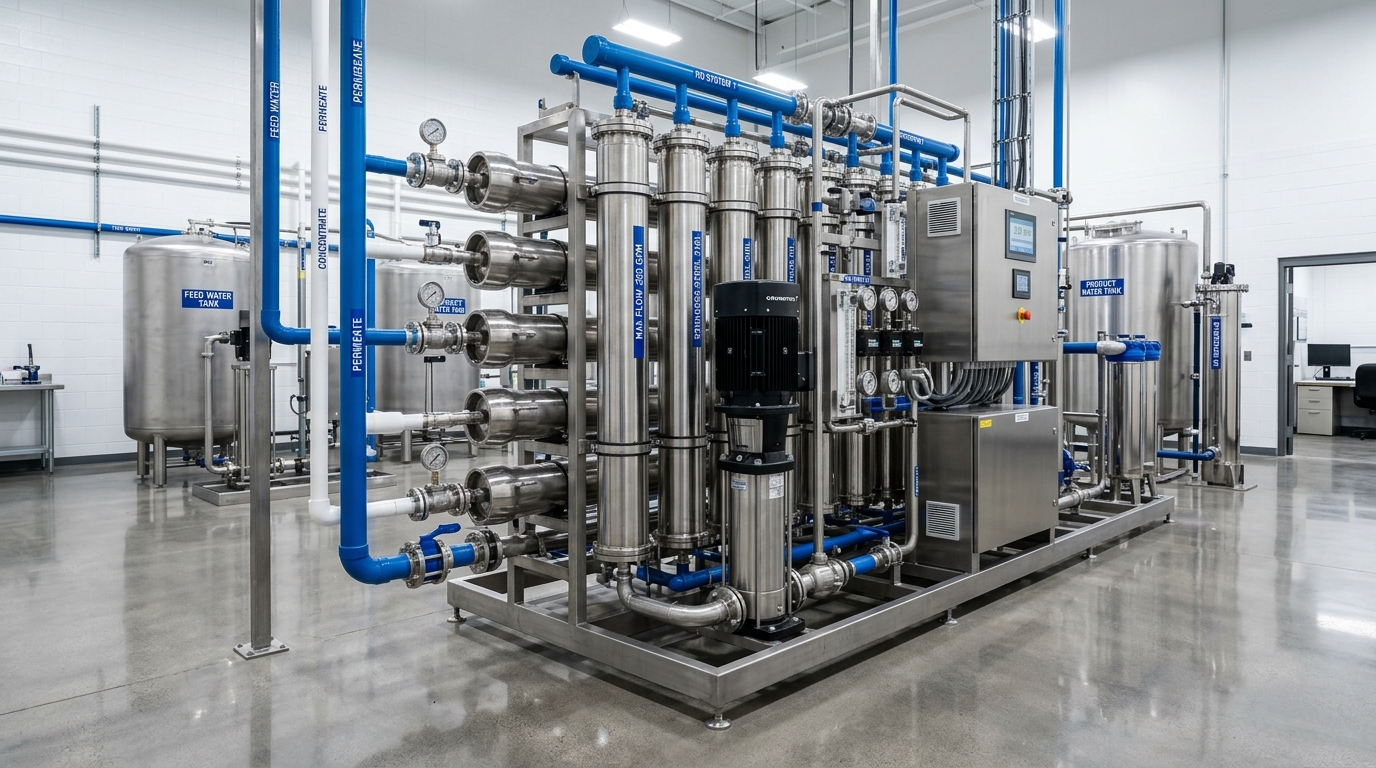
High-quality filtered water is key for healthy hydration in kids. It gets rid of chlorine byproducts, lead, and microplastics. Reverse osmosis and carbon-filtered water systems remove bad tastes and smells that push kids toward sugary, flavored drinks. Clean water just tastes better, making it easier for them to choose it every day.
Frequently Asked Questions
Why are sports drinks generally not recommended for children?
Sports drinks contain high amounts of sugar (14-17 grams per 8-ounce serving) and are highly acidic (pH 2.5-3.5), contributing to obesity and dental erosion. For most children engaged in routine or play-based physical activity, electrolyte replacement is unnecessary, making plain water the optimal hydration choice.
What are the main health risks of caffeinated energy drinks for adolescents?
Caffeinated energy drinks (CEDs) pose significant health risks for adolescents, including cardiovascular stress, sleep disturbances, and potential for substance abuse when mixed with alcohol. Due to their lower body weight, children and adolescents experience greater exposure to stimulant ingredients per kilogram, amplifying these risks compared to adults.
When is it appropriate for a child to consume a sports drink?
The Canadian Paediatric Society recommends sports drinks only for sustained, high-intensity athletic activity lasting more than 60 minutes, where significant sweating occurs. For typical recreational sports or daily activities, plain water is sufficient and superior for hydration without the added sugars and acids.
How much sugar is typically found in children’s sports drinks?
An 8-ounce serving of a typical sports drink contains 14-17 grams of sugar, comparable to many sodas. This high sugar content contributes to caloric surplus, increased risk of obesity, and dental enamel erosion due to the drink’s acidic pH (2.5-3.5).
What is the best hydration choice for children’s daily activities and sports?
Clean, filtered water remains the optimal hydration choice for children of all ages, whether for daily activities or routine sports. Unlike sports and energy drinks, water provides effective hydration without contributing to excess sugar intake, dental erosion, or exposure to unnecessary stimulants, aligning with AMPAC USA’s commitment to pure water solutions.
AMPAC USA engineers custom water purification systems for commercial, industrial, and emergency applications — from 500 GPD to multi-million GPD. Trusted by municipalities, military, and industry worldwide.