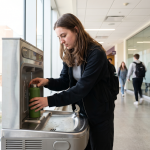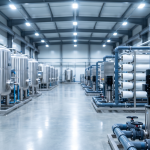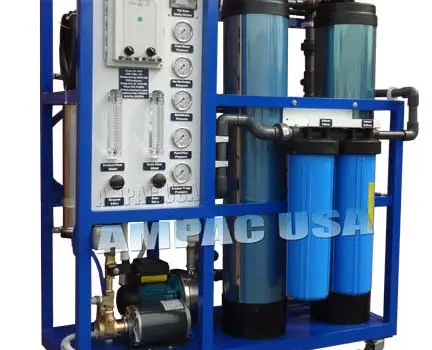

Reverse Osmosis, one of the major processes used worldwide for water treatment purposes is also great for commercial shops which require high capacities of water each day. Today you can find a range of different products that are beneficial to your finance and are qualitatively useful at the same time in this area. Commercial Reverse Osmosis systems have grown to accommodate every need of the end customer, be it Individual, Household, Commercial, Industrial or Military. Here are some of the businesses that can easily make some use of Commercial Reverse Osmosis Systems.
- Diners and Coffee Shops:
The main ingredient in almost every food and beverage is water and it requires nothing less than healthy and drinkable water for the preparation. Big Diners and coffee shops all across the world use commercial reverse osmosis machines to get a direct supply of safe water in the capacities of more than 1000 GPD. - Car wash outlets:
Car Wash specifically requires a certain profile of water for even softened water can have dissolved salts that can leave spots and marks on the surface of the car. Reverse Osmosis helps you achieve the required standard of water thus saving a lot of time and money. - Supermarkets and Grocery Stores:
Outlets that sell fruits and vegetables have to follow protocols to ensure the freshness of these products. Being easily spoiled, it is important to increase the shelf life of these vegetables and fruits. Using normal tap water might do more harm than good. Instead, RO purified water helps extend the shelf life thus keeping the vegetables and fruits farm fresh for consumers to buy. - Bakeries and Beverage Stalls:
These are the shops that require a large amount of water for the preparation of baked items and beverages. Commercial RO systems can be of huge help to achieve the standard purity of water at a lesser cost. - Small/Medium level water bottling plants:
Water treatment and packaging in bottles are done by several bottling plants in the world of which most are small or medium sized. Commercial RO systems help them provide a safe product to their customers without much hassle and extra costs of small RO purifiers. - Big Hotels:
Hotels with guest room capacities as high as 100 or more need a well installed RO system that can take care of all their water needs. From cooking to washing up, cleaning, laundry, Hotels require a very large amount of water for everyday operations.
Ampac USA has a range of Commercial Reverse Osmosis Systems varying in capacities based on the needs of the clients. These systems are also customized according to the water profile present in the region so as to adapt quickly and give the required results. Commercial systems are available for brackish water, sea water and tap water in many variants. Commercial RO systems are the best for businesses that work at larger capacities than households and cater to the needs of multiple people at once. If you are planning to get into any one of these businesses, commercial reverse osmosis systems are for you.
Frequently Asked Questions
How does reverse osmosis remove contaminants from water?
Reverse osmosis forces water through a semi-permeable membrane with pores as small as 0.0001 microns, physically blocking dissolved salts, heavy metals, bacteria, and viruses. AMPAC USA RO systems achieve up to 99% rejection of total dissolved solids (TDS), producing high-purity water suitable for drinking, industrial processes, and commercial applications.
What is the typical lifespan of an RO membrane?
High-quality RO membranes last 2–5 years depending on feed water quality and maintenance frequency. AMPAC USA systems use thin-film composite (TFC) membranes rated for extended service life. Regular pre-filter replacement and periodic membrane cleaning significantly extend operational longevity.
How much water does an RO system waste?
Standard RO systems recover 50–75% of feed water as permeate (purified output), with the remainder discharged as concentrate. AMPAC USA's high-recovery commercial systems achieve up to 85% recovery using energy recovery devices and optimized flow design, reducing operational costs substantially.
What pressure is required for a reverse osmosis system?
Brackish water RO systems typically operate at 150–600 PSI, while seawater systems require 800–1,200 PSI. AMPAC USA designs each system to match source water salinity and desired flow rate, incorporating energy-efficient high-pressure pumps with variable frequency drives (VFDs) to minimize power consumption.
Can reverse osmosis remove viruses and bacteria?
Yes. RO membranes provide absolute removal of bacteria (>99.9999%) and viruses (>99.99%), making them one of the most effective water purification technologies. AMPAC USA systems exceed NSF/ANSI 58 standards and include pre-treatment stages to protect membrane integrity.
Related Articles
- Commercial Reverse Osmosis Systems – Complete Guide for Businesses
- Whole House Reverse Osmosis System for Commercial & Industrial Water Treatment
- Cannabis Water Treatment: Why Commercial Grows Use Reverse Osmosis
- Commercial Reverse Osmosis System Buyer's Guide: 100 to 10,000 GPD
Conclusion
This post explored how reverse osmosis technology delivers high-purity water across a wide range of residential, commercial, and industrial applications. For businesses and organizations requiring reliable RO purification, AMPAC USA engineers custom systems tailored to your specific water quality requirements and flow demands. Contact our team at info@ampac1.com or (909) 548-4900 to discuss your water treatment needs.
AMPAC USA engineers custom water purification systems for commercial, industrial, and emergency applications — from 500 GPD to multi-million GPD. Trusted by municipalities, military, and industry worldwide.