
Mining operations generate some of the most chemically complex wastewater of any industrial sector. Acid mine drainage, heavy metal leachate, processing chemicals, and suspended solids from tailings all present treatment challenges that conventional wastewater approaches handle poorly. Reverse osmosis has become a core technology in eco-friendly mining water management – not because it’s simple, but because nothing else achieves the contaminant removal required for discharge compliance and water reuse.
What Makes Mining Wastewater Different
Mining wastewater is diverse. What comes off a copper mine looks nothing like discharge from a coal mine or a gold operation. Common categories include:
Acid mine drainage (AMD): The most prevalent mining water quality problem. When sulfide minerals (pyrite, pyrrhotite) in waste rock and tailings are exposed to oxygen and water, oxidation reactions produce sulfuric acid. This leaches into groundwater and surface water, creating highly acidic streams with dissolved heavy metals (iron, manganese, copper, zinc, arsenic, cadmium) at concentrations far exceeding regulatory limits.
Process water: Water used in ore processing – including flotation, heap leaching, cyanide gold extraction, and chlorination circuits – contains process chemicals, reagents, and dissolved ore constituents. Typically high TDS, often with cyanide, ammonia, or chloramines depending on the process.
Tailings pond effluent: The liquid fraction of tailings impoundments. Contains fine solids, processing chemicals, and leached metals. Management of tailings pond water is a significant environmental and regulatory focus following high-profile dam failures globally.
Dewatering discharge: Water pumped from underground mines or open pits to maintain access. Composition varies by geology – in some settings, it’s relatively clean; in others, it carries significant metal loading.
How Reverse Osmosis Treats Mining Wastewater
RO is deployed in mining water treatment for specific applications where its combination of high TDS rejection and broad contaminant removal is required:
Acid Mine Drainage Treatment
AMD treatment typically starts with pH adjustment (lime addition) and sedimentation to precipitate heavy metals and reduce acidity before RO. After pH correction and solids removal, RO polishes the effluent to meet discharge standards for remaining dissolved metals and sulfates.
High sulfate concentrations (common in AMD) can challenge standard BWRO membranes through scaling. Proper antiscalant selection and system design – often targeting 50-70% recovery rather than maximum recovery – manages this risk while achieving consistent discharge quality.
Process Water Reuse
Water scarcity in many mining regions (Chile’s Atacama, Australia’s Western Goldfields, Nevada’s mining districts) has driven significant investment in process water reuse. RO enables mines to recycle process water back to grinding circuits, reagent preparation, and dust suppression – reducing freshwater intake and discharge volume simultaneously.
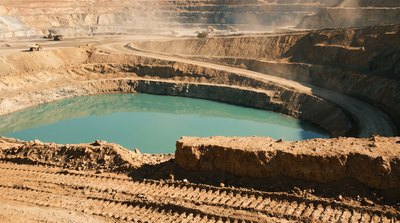
For mines operating near sensitive ecosystems or in water-stressed catchments, internal water reuse enabled by RO treatment can reduce freshwater consumption by 40-60% compared to once-through operations.
Zero Liquid Discharge
In jurisdictions with zero-discharge requirements, or mines operating in inland areas where discharge to surface water isn’t permitted, Zero Liquid Discharge (ZLD) systems combine RO with evaporation and crystallization to eliminate all liquid waste. RO handles the bulk water recovery (typically 70-85%) before the more energy-intensive thermal stages handle the remaining concentrate.
ZLD is increasingly required for tailings facility decommissioning, where regulators require demonstration that no liquid will escape a closed facility.
Pre-Treatment Requirements for Mining RO
Mining wastewater requires more aggressive pre-treatment than municipal or industrial process water before reaching RO membranes:
- pH adjustment: pH must be raised to 7-8 to prevent acid damage to polyamide membranes and reduce dissolved metal concentrations through precipitation
- Metal precipitation and sedimentation: Iron, manganese, and other metals at high concentration must be reduced through lime/caustic precipitation before membrane contact
- Solids removal: Multimedia filtration and cartridge filtration to reduce SDI below 3
- Antiscalant dosing: Tailored for the specific scaling potential of the water chemistry – sulfate, carbonate, and silica scaling all occur in mining water
Regulatory Context
Mining wastewater is regulated under multiple frameworks in the U.S.:
- EPA effluent guidelines specific to the mining sector (40 CFR Part 440 for mineral mining)
- NPDES permits for discharge to surface waters
- State-level mining permits often with more stringent limits
- Resource Conservation and Recovery Act (RCRA) for hazardous waste characterization
The trend is toward tighter discharge limits and greater emphasis on water reuse rather than discharge. Many states and international mining jurisdictions are moving toward zero-liquid discharge requirements for new mines, making RO-based treatment systems a design requirement rather than an option.
AMPAC USA’s industrial RO systems are deployed in mining water treatment applications worldwide – from small operations using mobile skid-mounted units to large continuous-duty treatment plants designed for the specific water chemistry challenges mining environments present.
Related: AMPAC USA builds containerized and mobile mobile water treatment systems suited for mining dewatering and remote site operations. For high-TDS mine water, see our brackish water reverse osmosis guide.
Frequently Asked Questions
What are the primary contaminants found in mining wastewater?
Mining wastewater frequently contains a complex mix of pollutants including Acid Mine Drainage (AMD), heavy metals like arsenic, lead, mercury, and cadmium, suspended solids, and high levels of total dissolved solids (TDS). It can also contain cyanides from specific processing activities, making it highly toxic.
Why are conventional methods inadequate for treating mining wastewater?
Traditional methods like chemical precipitation, neutralization, and biological treatment often fall short of modern environmental standards. They may generate large volumes of sludge, fail to completely reduce dissolved salts and toxic metals, or are inefficient in handling extreme pH and high heavy metal concentrations, effectively shifting the pollution problem rather than solving it.
How does Reverse Osmosis (RO) effectively treat mining wastewater?
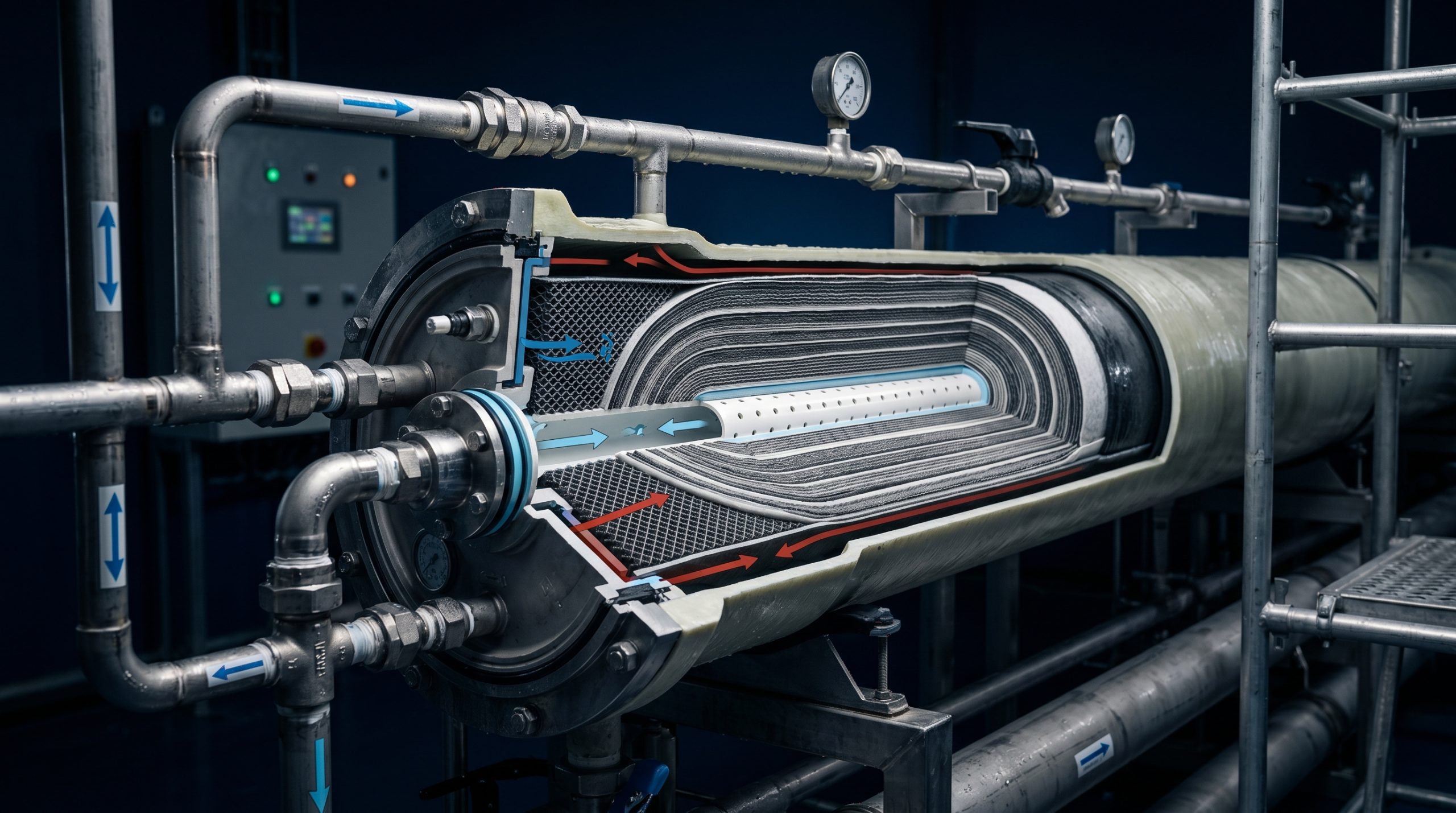
Reverse Osmosis utilizes semi-permeable membranes to remove dissolved salts, heavy metals, and other contaminants from mining wastewater, achieving exceptionally high purity. This advanced filtration process is crucial for meeting stringent discharge regulations and enabling the safe reuse of treated water, a capability conventional methods often lack.
What are the environmental consequences of discharging untreated mining wastewater?
Discharging untreated mining wastewater poses severe environmental risks, including the destruction of aquatic ecosystems, contamination of vital groundwater sources, and significant threats to human health. The presence of heavy metals, acids, and high dissolved solids makes the water highly toxic and damaging.
What is Acid Mine Drainage (AMD) and how does it form?
Acid Mine Drainage (AMD) is a significant component of mining wastewater, formed when sulfide minerals exposed during mining operations react with oxygen and water to produce sulfuric acid. This process results in highly acidic wastewater that can leach additional heavy metals from surrounding rock, exacerbating environmental contamination.
Why does mining industry wastewater treatment require reverse osmosis instead of conventional methods?
Mining industry wastewater treatment often involves high concentrations of dissolved metals, sulfates, and total dissolved solids that conventional settling ponds and basic filtration can’t remove to discharge or reuse standards. Reverse osmosis and SWRO systems reject over 99% of dissolved metals and salts, enabling mining operations to reuse water on-site for mineral processing or dust suppression rather than drawing more from local sources.
AMPAC USA engineers custom water purification systems for commercial, industrial, and emergency applications — from 500 GPD to multi-million GPD. Trusted by municipalities, military, and industry worldwide.