
Quick Answer: Water conservation – just using less water while still doing everything you need to – is actually the smartest, most affordable way to get more water. It doesn’t need new pipes or big projects, and it makes our current water systems last longer. Good conservation strategies work everywhere: from taking shorter showers at home to using advanced water treatment like reverse osmosis for tough water quality issues. AMPAC USA builds commercial and industrial systems specifically for these needs, and they’re proven to work.
Water is our planet’s most valuable resource. But let’s be honest, fresh, clean water feels easy to get right now. Our habits, especially how much we waste, are putting future supplies at risk. Sure, Water Purificationmethods help us get pure water, but we still have to stop wasting it. We need to save some for later. Many of us just don’t think about saving water. But if we take a few simple steps, we can save thousands of gallons every year. The best place to start is by looking at where we use – and waste – the most water.
Here are a few small ideas for how you use water:
- Swap out old equipment for water-saving versions to cut down on how much water you use overall.
- Install treatment plants in factories to reuse wastewater more often.
- Check your water and sewer bills. See how much water you’re using and when those usage spikes happen.
- Use sub-metering to track water use by specific areas or machines.
- Inspect your pipes regularly for leaks.
- Walk through your plant operations. Where’s water getting wasted? Where could you reuse it?
- Figure out the average water use for each department and process.
- Rank your departments by water usage. This shows you exactly where to focus your conservation efforts.
- Send steam condensate back to your boilers to reuse it.
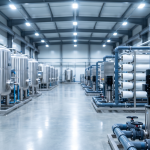
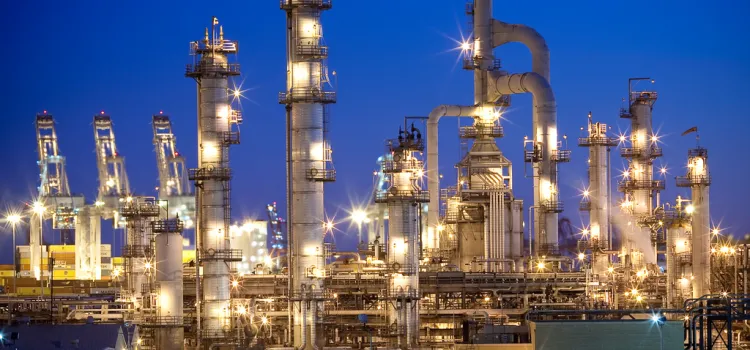
Wasting water puts our future supplies in danger. That’s why Water Treatmentis so important. We don’t just need to recycle and reuse the water we waste at home; industrial wastewater needs treatment too. You can trust the Industrial wastewater treatment plants from Ampac USAto help you recycle the water that gets used up in different industrial processes.
Frequently Asked Questions
How can industries implement effective water conservation?
Industries can significantly conserve water by implementing strategies such as increasing wastewater reuse through advanced treatment plants, modifying equipment with water-saving technologies, and returning steam condensate to boilers. Regular monitoring of water bills, sub-metering, and comprehensive operational surveys are also crucial for identifying and addressing areas of high consumption or waste.
What is the primary benefit of water conservation for businesses?
For businesses, water conservation is the most cost-effective water supply strategy. It eliminates the need for expensive new infrastructure, extends the capacity and lifespan of existing water systems, and reduces operational expenses related to water procurement and discharge. This approach directly contributes to both financial savings and environmental sustainability.
How do water treatment technologies support industrial water conservation?
Advanced water treatment technologies, including reverse osmosis and industrial wastewater treatment plants, are critical for enabling water conservation by making previously unusable water sources safe for reuse. These systems purify water from industrial processes, allowing it to be recycled back into operations, thereby drastically reducing the demand for fresh potable water. AMPAC USA engineers commercial and industrial systems specifically for these challenging applications.
What are some immediate steps to identify water waste in a facility?
To identify water waste, businesses should start by closely reviewing water and sewer bills to spot consumption peaks. Implementing sub-metering can pinpoint water usage by specific locations or equipment, while regular checks for piping leaks are essential. Additionally, conducting a thorough survey of plant operations helps identify processes where water is wasted or where it could be effectively reused.
Can AMPAC USA systems help businesses with water reuse?
Yes, AMPAC USA specializes in designing and manufacturing commercial and industrial reverse osmosis and wastewater treatment systems that are ideal for water reuse applications. Our engineers leverage over 30 years of field experience to create certified, documented solutions that enable businesses to treat and recycle water from various industrial processes, significantly reducing fresh water consumption.
AMPAC USA engineers custom water purification systems for commercial, industrial, and emergency applications — from 500 GPD to multi-million GPD. Trusted by municipalities, military, and industry worldwide.