
Water is an essential aspect of our lives. We all need water for multiple purposes like absorbing nutrients, digesting food, and eliminating waste from our bodies. As people get older, they might lose their sense of thirst and drink less water than needed. Seniors who have health conditions or take medications might also be less likely to have enough drinking water.
What Happens If Seniors Don’t Drink Enough Drinking Water?
When people, especially seniors dint get enough water, it might impact the body’s health. Lack of enough water might also impact the key organs. Dehydration is also a threat and can impact a senior negatively.
The common signs of dehydration in seniors (most adults) include tiredness, confusion, dark yellow urine, lightheadedness, strong-smelling urine, less urination than usual, low blood pressure, dry lips, mouth, eyes, or skin, and disorientation, among others.
Dehydration is more harmful to older adults than it is to youngsters. It can lead to many serious health issues like memory problems, concentration issues, weakness, slow reaction times, feeling tiredness, more falls, skin problems, pressure sores, urinary tract infections, constipation, and even kidney problems.
Why Is It Hard for Seniors to Have Enough Water?
Most adults find it relatively easy to drink enough water during the day as compared to seniors. There are several reasons for it. The first is that when people get older, their sense of thirst changes, and they don’t notice that they need water as easily as they did when they were younger. To make things worse, when seniors don’t have enough fluids, they become less thirsty and drink less water. It might lead to dehydration.
Medicines like diuretics and laxatives can lead to issues like not getting enough fluids. Also, health problems like kidney disease, dementia, Alzheimer’s disease, poor hormone response, problems swallowing, poorly controlled diabetes, and stroke can make it troublesome to drink water.
Seniors who have trouble getting around avoid going to the washroom. It can lead to incontinence that makes people avoid drinking fluids. It can lead to dehydration and problems with not drinking enough water. Living alone or in a nursing home with less access to water or other drinks can also lead to less water intake.
How Can Seniors Increase the Water Intake?
There are many ways seniors can increase their water intake. Some of them are:
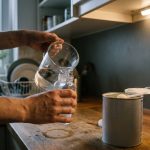
- You should aim to drink at least 6-8 glasses of pure water (like reverse osmosis water) a day.
- Pick a reusable water bottle and take it wherever you go.
- Make a habit of sipping water every few minutes.
- Use a straw to make water drinking easy if you find lifting the bottle or drinking through the glass difficult.
- Whenever you take a pill, drink a full glass of water.
- Have more soups and fresh juices throughout the day.
- Add lemon or orange slices or mint leaves to make the water taste better.
- Have water after some bites of your meal.
- Eat foods with high water content like pureed fruits, custard, yogurt, gelatin desserts, etc.
- Drink tea with a friend.
- Control your alcohol intake. Only one alcoholic drink should be allowed for women and a maximum of two for women.
- Use apps that encourage you to drink water at regular intervals.
Drink Quality Water- Reverse Osmosis Water
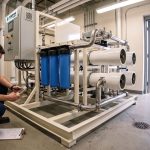
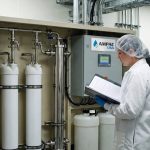
Experts also recommend that you buy the RO system from a top manufacturer like AMPAC USA to ensure that you get a maintenance manual with each product and top-notch quality customer service that helps you to keep the RO system in top shape. AMPAC USA’s water treatment systems are available for residential, commercial, and industrial use. They help ensure the water is tasteless, colorless, and odorless.
AMPAC USA water systems are well equipped and fully capable of converting any water into a product that meets the requirement of the end-user. Capable of performing flawlessly in harsh environments, our products assist the exploratory labs at the Arctic Circle to Oil rigs in Deserts, urban communities, and war zones. AMPAC USA water treatment systems are proven solutions to water treatment problems across the globe.
AMPAC USA advanced water purification systems are built to solve the most complex challenges related to water purification, treatment, provisioning, and Seawater Desalination, meant to work in the harshest environments around the globe. Our water treatment systems use the best Reverse Osmosis, Seawater Desalination, and water technologies of International standards for industrial, On-shore, and Offshore applications.
AMPAC USA designs and manufactures some of the world’s most reliable Commercial Reverse Osmosis Water Treatment Systems to treat water even in the toughest environments. We additionally strive for quality of international standards and excellent after-sales service. Our engineers are available to provide support with your water treatment applications anywhere around the world. To know more, call us on 909-548-4900 or visit us here.
Source:
https://www.webmd.com/healthy-aging/tips-for-water-intake-for-older-adults#1
Frequently Asked Questions
What are the common signs of dehydration in elderly individuals?
Dehydration in seniors often manifests as tiredness, confusion, dark yellow or strong-smelling urine, and lightheadedness. Other indicators include dry lips, mouth, eyes, or skin, less frequent urination, and disorientation, which can be more pronounced in older adults.
What serious health problems can dehydration cause in seniors?
For older adults, dehydration can lead to severe health issues beyond typical discomfort. These include memory and concentration problems, increased risk of falls, skin issues, pressure sores, and serious conditions like urinary tract infections and kidney problems. Its impact is generally more harmful than in younger individuals.
Why do older adults often drink less water than they need?
Several factors contribute to seniors’ reduced water intake. Their sense of thirst diminishes with age, making them less aware of their need for fluids. Additionally, certain medications like diuretics, health conditions such as dementia or kidney disease, and mobility issues that make frequent bathroom trips difficult can all deter adequate hydration.
What are effective strategies to help seniors increase their daily water consumption?
To encourage better hydration, offer water frequently throughout the day, even if they don’t express thirst. Provide appealing alternatives like diluted juices, herbal teas, or water-rich foods. Ensuring easy access to clean, palatable water, perhaps from a purified source, can also make a significant difference in their intake.
How much water should an elderly person aim to drink each day?
While individual needs vary, seniors should generally aim for at least 6-8 glasses (around 1.5 to 2 liters) of fluids daily, unless advised otherwise by a doctor due to specific health conditions. This target helps maintain essential bodily functions and prevent dehydration, which is crucial for overall senior health.
Related Articles
- How to Ensure More Responsible Water Consumption At Home?
- Should You Drink Water Before COVID-19 Vaccine?
- Can You Get COVID from Tap Water?
- Why Are The Residents Of This Nation Afraid To Drink Tap Water?
Conclusion
Dehydration in older adults rarely looks dramatic at first — it’s the tiredness, the confusion, the darker urine that gets written off as just getting older, when it’s often just a matter of not drinking enough. The good news is this is one of the easier health issues to head off, whether that means setting reminders, keeping water visibly accessible, or simply making the water taste better so it’s not a chore to drink. Small, consistent habits do more here than any single big intervention. Water that tastes clean and neutral, like what comes from a reverse osmosis system, can make that daily habit easier to stick to. Contact our team at info@ampac1.com or (909) 548-4900 to talk about water quality solutions for your home.
AMPAC USA engineers custom water purification systems for commercial, industrial, and emergency applications — from 500 GPD to multi-million GPD. Trusted by municipalities, military, and industry worldwide.