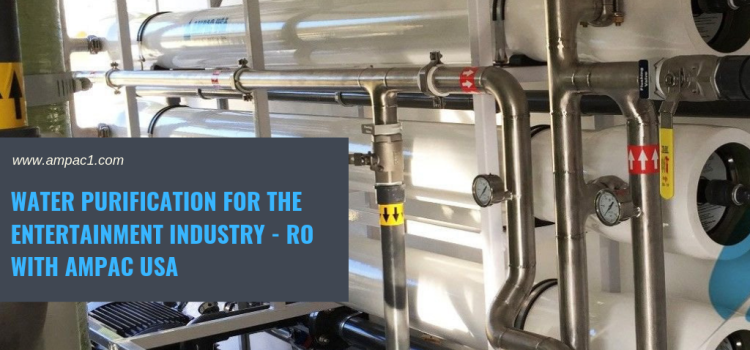

Water is absolutely vital for the entertainment world. For decades, big names like Disney and Universal Studios have known this, pouring money into advanced water purification gear. Think about it: swimming pools, thrilling water rides, and countless things guests touch every day. Each one needs careful cleaning and safe, high-quality water to make sure everyone has an amazing time.
Look at Disneyland, for instance. They’ve teamed up with the Orange County Water District (OCWD) for more than ten years, recycling wastewater from their park operations. This water doesn’t just vanish; it goes right into OCWD’s Groundwater Replenishment System, refilling crucial aquifers for the whole region. It’s a complex setup, using many stages of advanced treatment. While that’s a unique, huge public-private project, most entertainment spots get their daily clean water by installing powerful industrial reverse osmosis systems right on-site. We see it all the time – from resorts in Cancun to theme parks in Orlando.
Here’s the thing: how things look really matters. Think about 3D glasses used for a thrilling ride. After cleaning, many places struggle with mineral streaks and water spots. It’s annoying, and often people just accept it. But does that really give guests a premium experience? Not at all. What we’ve found is that these flaws almost always come from dissolved solids in the wash water. The fix? Treat that wash water with a reverse osmosis system. It works incredibly well.
Reverse Osmosis
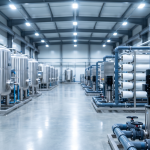
For jobs like streak-free 3D glasses — or any need for super pure water — RO is probably the best choice. But let’s be straight: an RO system isn’t a magic wand for really dirty water all by itself. It needs the right support. In our experience, the most dependable systems are part of a complete solution, a multi-stage purification process built for the specific raw water quality you’re starting with. That setup makes sure you get:
- Easy purification, no matter your source water’s initial TDS (Total Dissolved Solids) level.
- Way less maintenance and unexpected downtime. Who wants surprise shutdowns?
- Minimum energy use, helping keep those utility bills down.
We build these systems based on the feed water quality and how much water you need. For a big theme park, that could mean making hundreds of thousands of gallons per day (GPD) – enough to serve 10 million visitors a year without a single problem.
How Does This Help the Industry?A well-designed industrial RO system really helps a resort or amusement park’s bottom line and reputation. An efficient system gives you water purified to less than 10 ppm TDS, making it perfect for guests and essential for staff. We’ve seen these systems provide clear benefits:
- Crystal-clear visuals: Visitors using 3D glasses get a fully immersive experience, without annoying mineral streaks or spots.
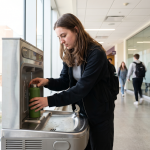
- Premium drinking water: Safe, healthy, and incredibly good-tasting water for guests. Honestly, most buyers don’t realize how much great-tasting water boosts overall perception.
- Better aquatic experiences: Cleaner, safer water in swimming pools and water rides means happier guests and fewer chemical adjustments.
- Smooth operations: Faster cleaning cycles, less re-doing work, and less time for your staff to spend on descaling equipment. That’s real time saved.
So what does this mean for you? Industrial RO systems offer a complete water treatment solution for everything: servicing equipment, providing drinking water, keeping attractions running, and all your cleaning needs. When you’re bringing in millions of guests every year, why would you cut corners on water quality? We’ve installed over 500 such systems worldwide, from offshore oil rigs to luxury resorts – we know what we’re doing. Contact AMPAC USA for a strong, efficient, and safe water treatment solution made just for your operational demands.
References
- Orange County Water District. “Groundwater Replenishment System.” OCWD.com, 2023. https://www.ocwd.com/what-we-do/supply-reliability/gwrs/
About the Author:
AMPAC USA has been at the forefront of designing and manufacturing commercial and industrial water purification systems for over 30 years. Our engineers bring direct field experience from installations across 150+ countries – from military bases to food and beverage plants – ensuring every system delivers reliable performance and exceptional water quality.
Frequently Asked Questions
What are the primary applications for purified water in the entertainment industry?
The entertainment industry requires high-quality purified water for multiple critical applications: guest drinking water, food and beverage production, maintaining attractions and water features, efficient HVAC and cooling systems, and specialty effects like streak-free cleaning of 3D glasses. This ensures guest safety, operational efficiency, and a premium experience.
Why are commercial reverse osmosis systems essential for amusement parks and resorts?
Commercial RO systems are essential for amusement parks and resorts to ensure consistent water purity, protect expensive equipment from scale buildup, and meet stringent food safety standards. They effectively remove minerals that cause streaks on items like 3D glasses and support high-volume cleaning processes for rides and facilities, contributing to a better guest experience.
Can a standard RO system purify any water source for an entertainment venue?
A standalone reverse osmosis system alone cannot effectively treat extremely polluted water. For entertainment venues, a complete multi-stage purification solution is required, custom-designed based on the incoming water quality. This comprehensive approach ensures purification of any water quality, lower maintenance, minimal downtime, and energy efficiency, capable of serving millions of guests annually.
How does AMPAC USA design water purification systems for large entertainment facilities?
AMPAC USA designs complete water purification systems by first assessing the specific quality of the supply water an entertainment park receives. Our engineers leverage 30+ years of direct field experience to create custom, multi-stage solutions that ensure purification for any water quality, minimize maintenance and downtime costs, and reduce energy consumption, capable of serving crowds as large as 10 million per year.
What are the benefits of using purified water for cleaning and maintenance in entertainment parks?
Purified water significantly enhances cleaning and maintenance in entertainment parks by preventing mineral streaks and spots, especially on sensitive items like 3D glasses. This ensures visibly cleaner rides and products, contributing to a superior customer experience. Additionally, it protects cleaning equipment from scale buildup and can reduce the need for harsh cleaning chemicals.
AMPAC USA engineers custom water purification systems for commercial, industrial, and emergency applications — from 500 GPD to multi-million GPD. Trusted by municipalities, military, and industry worldwide.