
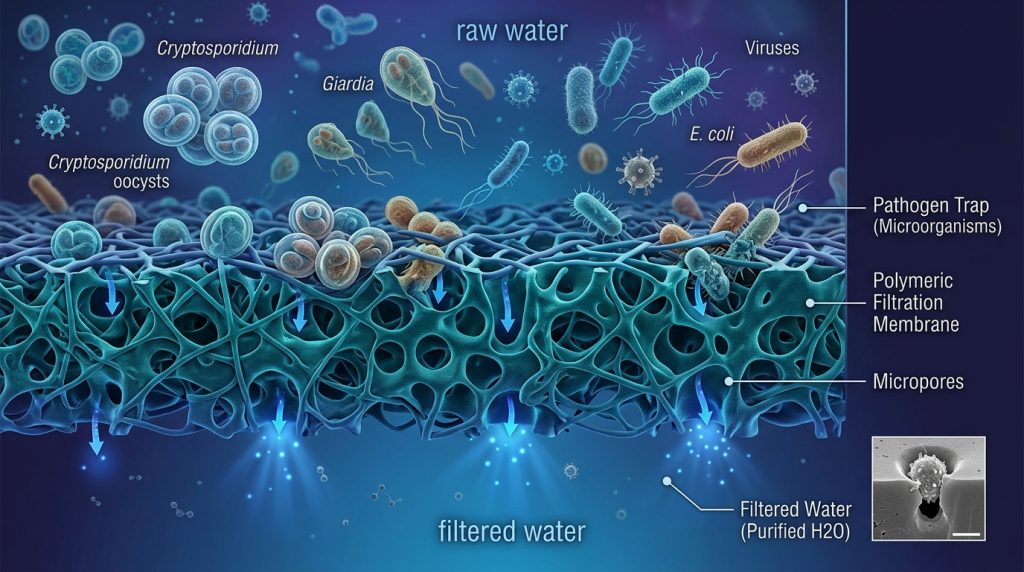
Moving from the traditional paradigm of pathogen inactivation to controlling antibiotic resistance in water – Role of ultraviolet irradiation
Ultraviolet (UV) irradiation has proven an effective tool for inactivating microorganisms in water.

Articles tagged with "RO"
Ultraviolet (UV) irradiation has proven an effective tool for inactivating microorganisms in water.

When deciding whether or not to regulate a chemical, regulatory bodies often evaluate the degree to which the public may be exposed by evaluating the chemical’s occurrence in food and drinking water.

Sugar-sweetened beverages (SSBs) add empty calories to children’s diets1 and may increase the risk of weight gain, obesity, and diabetes.

This descriptive review summarizes emerging evidence that extreme occupational heat stress combined with chronic dehydration

In our this blog we are explaining another evidence of the relation between Dehydration and cognition. Read now
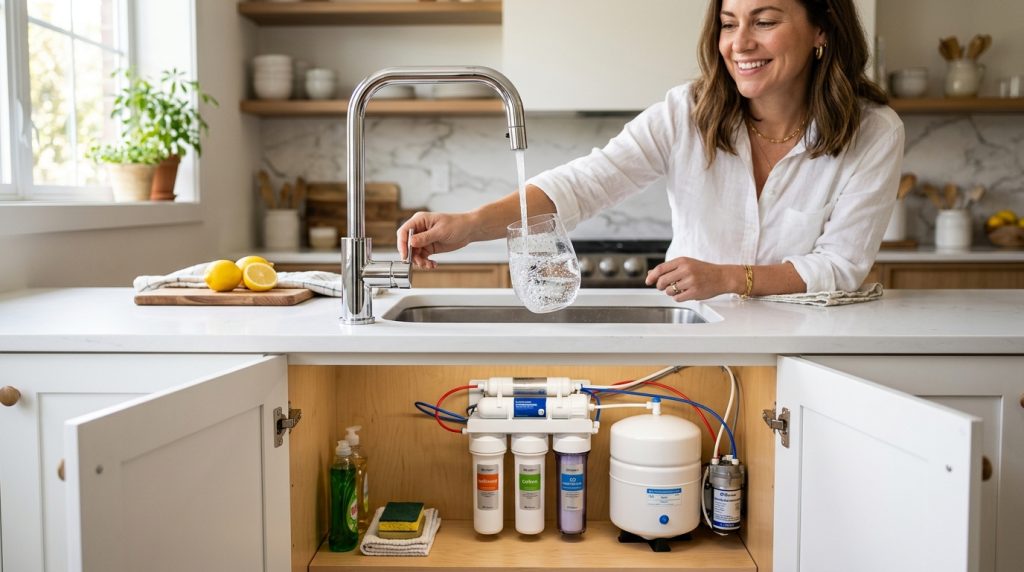
The aquatic environment can contain numerous micropollutants and there are concerns about endocrine activity in environmental waters

In this study, we conducted a worst-case risk exploratory assessment for children’s health from ingestion exposure to water sources in two densely populated counties
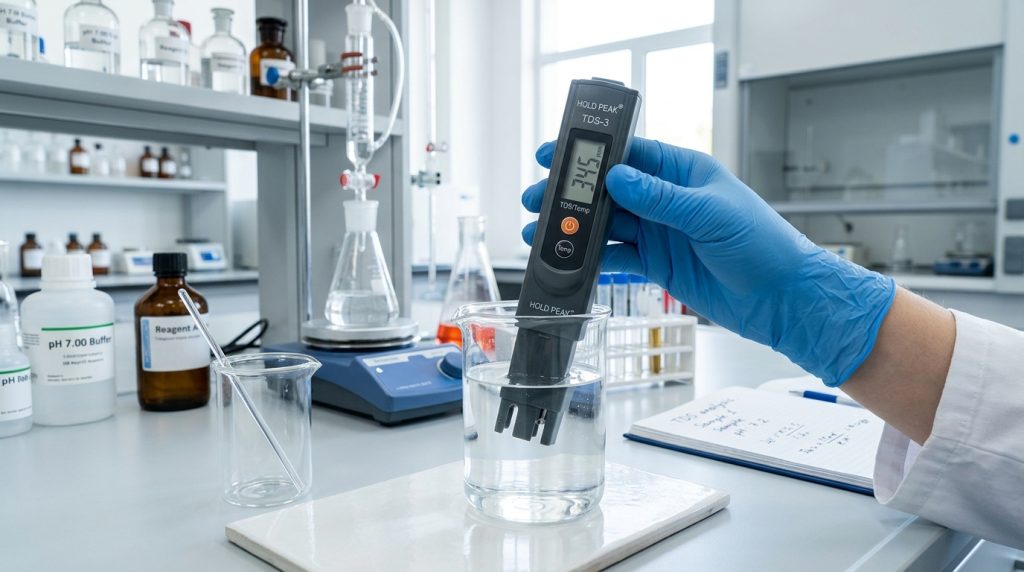
control and preventing intrusion events, dead legs and pressure losses, are just some of the prevalent Water quality
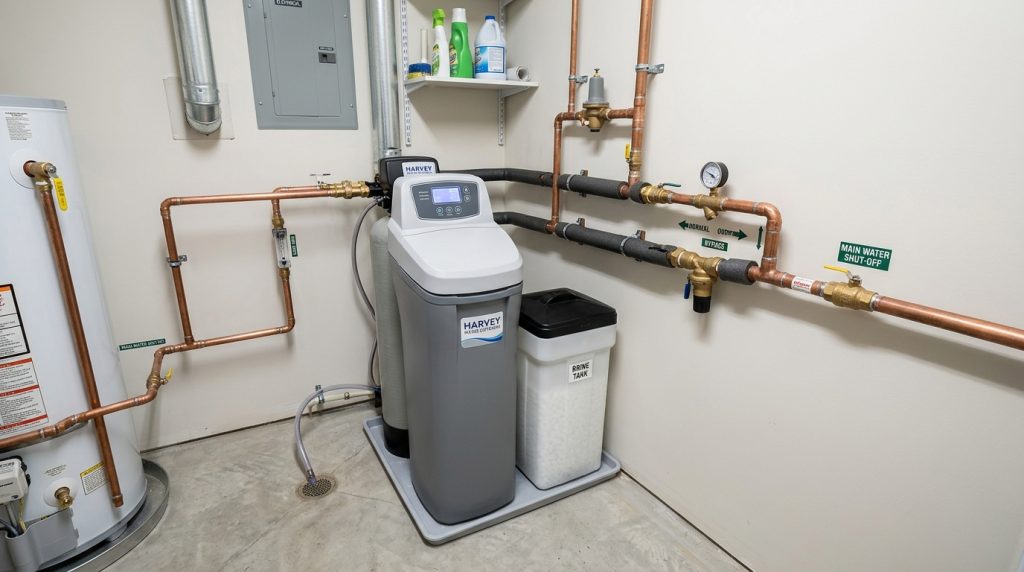
At present one of the greatest barriers to reducing exposure to naturally occurring arsenic from unregulated private well water is a lack of well testing.
For several decades, a common processing aid in the production of fluoropolymers was the ammonium salt of perfluorooctanoic acid