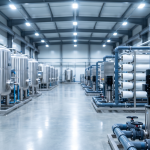
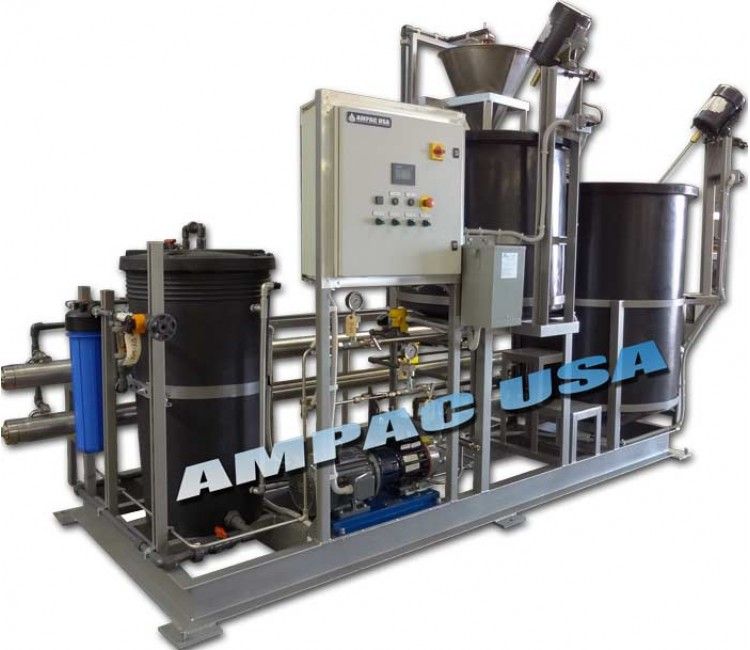

When we return treated water to nature, we have to meet tough discharge quality standards. The EPA and state agencies set these rules. Industrial and city water treatment operations must make sure their discharged water has no harmful chemicals, heavy metals, or pathogens. This applies whether it’s going into rivers, groundwater, or coastal waters. Good RO and wastewater treatment tech makes zero-harm discharge possible for most industrial uses.
Clean, easy-to-get water is vital for healthy communities. It’s crucial for ecosystems and a must-have for a strong economy. But with the recent water crisis, getting clean drinking water is getting harder. Really hard.
Water.org says 750 million people worldwide don’t have safe water. That’s about one in nine. More than double the US population lives without safe water. This makes the current water crisis the number one global risk by “devastation impact,” and the number eight global risk by “likelihood of happening within 10 years,” according to the World Economic Forum in January 2015.
The World Health Organization predicts that by mid-century, four billion people-almost two-thirds of the world’s current population-will face serious fresh water shortages. With the human population expected to grow another 50 percent by 2050, resource managers are looking for new ways to meet our water needs.
One big way is wastewater management. Stats show that 90 percent of wastewater in the developing world goes right into the environment without any treatment. Wastewater is just any water that people have messed up the quality of. It can come from homes, factories, businesses, farms, surface runoff, stormwater, or even leaky sewers.
We have many ways to clean up wastewater. It depends on what’s in it and how bad it is. We can treat wastewater in treatment plants using physical, chemical, and biological processes. City wastewater goes to sewage treatment plants, which are also wastewater treatment plants. Farm wastewater gets its own treatment, and industrial wastewater uses industrial treatment processes. This cleaned water can then be reused as drinking water, in factories (like for cooling towers), to refill aquifers, for farming, and even to help natural ecosystems recover.
Using recycled water for irrigation offers many benefits. It’s often cheaper than other sources, especially in cities. The supply is consistent, no matter the season, weather, or water restrictions. And the quality is generally steady. Irrigating with recycled wastewater also helps fertilize plants, adding important nutrients. Industrial wastewater treatment plants are necessary when city sewage treatment isn’t available or can’t handle specific industrial wastewater. These industrial plants can cut raw water costs by turning some wastewater into reclaimed water for different uses.
Wastewater management can use centralized systems, which are large systems that collect wastewater from many users for treatment at one or a few spots. Or, we can use decentralized systems. These are usually on-site systems, handling wastewater from individual users or small groups of users in a neighborhood or small community.
Even a company like Coca-Cola is getting smarter about its water use. They’re cutting down how much water they use per liter of product, even as they make more. They’re recycling wastewater, sometimes returning it to nature even cleaner than the law requires. And their system is replenishing, or balancing, the water they use in their finished drinks. They’ve hit about 35 percent so far, with a goal of being “water neutral” by 2020. They’re doing this through projects that, among other things, protect water resources or bring safe drinking water and sanitation to communities they serve.
Related Articles
- PFAS Contamination Near Military Bases and Airports: Water Treatment Guide
- EPA PFAS Water Regulations 2024-2026: What Commercial Facilities Must Know
- Water Treatment for Food and Beverage Manufacturing: RO Systems and FDA Compliance
- TDS Levels in Drinking Water: What They Mean and Why They Matter [Complete Guide]
Frequently Asked Questions
What are the key requirements for discharging treated water back into natural environments?
Discharging treated water requires meeting stringent quality standards set by agencies like the EPA and state authorities. Effluent must be free of harmful chemicals, heavy metals, and pathogens to protect rivers, groundwater, and coastal waters. Advanced RO and wastewater treatment technologies are essential to achieve these zero-harm discharge criteria.
How severe is the global water crisis, and what role does wastewater management play?
The global water crisis is critical, with 750 million people lacking access to safe water, making it the #1 global risk by impact. By mid-century, four billion people are projected to face severe freshwater shortages. Effective wastewater management, including advanced treatment, is crucial to mitigate this crisis by enabling safe reuse and discharge, conserving finite freshwater resources.
What is considered wastewater, and what are its common sources?
Wastewater is any water whose quality has been negatively impacted by human activity. It originates from diverse sources including domestic, industrial, commercial, and agricultural activities, as well as surface runoff, stormwater, and sewer inflow or infiltration. Addressing these varied sources requires tailored treatment approaches.
What are the primary treatment processes for different types of wastewater?
Wastewater treatment typically involves physical, chemical, and biological processes. Municipal wastewater is treated in sewage treatment plants, while agricultural and industrial wastewaters require specialized processes tailored to their specific contaminants. AMPAC USA designs industrial systems for complex applications like offshore oil rigs and food & beverage plants.
How do advanced RO systems help industries meet strict water discharge standards?
Advanced Reverse Osmosis (RO) systems are critical for industries to meet stringent discharge standards by effectively removing dissolved solids, chemicals, and pathogens. This ensures effluent contains no harmful substances, enabling zero-harm discharge to natural environments. AMPAC USA’s 30+ years of expertise in commercial/industrial RO systems provides reliable solutions for diverse applications globally.
AMPAC USA engineers custom water purification systems for commercial, industrial, and emergency applications — from 500 GPD to multi-million GPD. Trusted by municipalities, military, and industry worldwide.