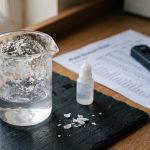

Hard water is a problem almost everywhere. It’s packed with calcium, magnesium, and other dissolved solids (TDS) that cause nasty scale buildup. Worse, it really messes with your skin’s health. Let’s talk about how hard water hurts your skin and what you can do about it.
What’s Hard Water, Anyway?
Simply put, hard water has a lot of dissolved minerals, especially calcium and magnesium. We call water “hard” when it hits above 120 parts per million (ppm), but many places see levels over 200 ppm. The EPA doesn’t set a limit for drinking it, but that doesn’t mean it’s harmless. Hard water leaves annoying soap scum on dishes and clothes, and it’s terrible for your hair and, most importantly, your skin.
How Hard Water Messes With Your Skin
Those high mineral levels in hard water do more than just make your shower look dirty. They react with soap to create insoluble soap scum, that sticky film you often feel. This gunk settles on your skin, clogging pores and stopping sebum, your skin’s natural protective oil, from doing its job. This blockage often causes or worsens problems like acne, blackheads, and even eczema.
Plus, hard water breaks down your skin’s natural moisture barrier. It washes away important lipids, leaving your skin feeling tight, dry, and irritated. Over time, this can even make you look older, bringing on fine lines and wrinkles faster.
What Happens to Your Skin After Long-Term Hard Water Exposure?
The dissolved minerals in hard water- calcium, magnesium, and sometimes even a little iron- can act like pro-oxidants. They create damaging free radicals that attack and break down collagen, the protein that keeps your skin elastic and firm. This breakdown leads to sagging skin, deeper wrinkles, and an older look before your time.
If you already have sensitive skin or conditions like eczema, hard water is especially bad. Studies, like one in the Journal of Investigative Dermatology, clearly show a link between hard water and worse eczema symptoms, particularly in kids. We’ve seen this firsthand at luxury resorts where guests still got skin irritation even with fancy toiletries.
Immediate Effects: What Happens After Short-Term Hard Water Exposure
You don’t need years to notice a difference. Even a short time with hard water can cause immediate problems like dryness, flaky patches, constant itchiness, and sudden breakouts. It’s not just your face either, hard water can also make your scalp itchy and leave your hair feeling brittle and looking dull.
How to Protect Your Skin from Hard Water
So, what can you do? Protecting your skin isn’t just about the lotions and potions you use, it really starts with the water itself. Here are some smart steps you can take:
- pre”>
pre-wrap”>Get a Water Softener: This is the best solution. A whole-house water softener system– like our AMPAC USA models that use ion-exchange resin- takes out those annoying calcium and magnesium ions before they even reach your tap. That means no more soap scum, easier rinsing, and truly softer water that’s kind to your skin.
- pre”>
pre-wrap”>Pick Gentle Cleansers: Go for soap-free, pH-balanced washes. They won’t strip your skin.
- pre”>
pre-wrap”>Watch the Water Temperature: Lukewarm water is always best. Extreme temperatures will shock and dry out your skin.
- pre”>
pre-wrap”>Keep Showers Short: Try to limit them to 5-10 minutes.
- pre”>
pre-wrap”>Limit Facial Washing: When you can, try water-free cleansing options.
- pre”>
pre-wrap”>Pat, Don’t Rub: Gently dab your skin dry with a soft towel.
Frequently Asked Questions
What specific minerals in hard water negatively affect skin health?
Hard water contains elevated concentrations of dissolved minerals, primarily calcium and magnesium ions, and sometimes trace iron. These minerals react with soaps to form insoluble soap scum, which settles on the skin, blocking pores and disrupting its natural moisture barrier.
How does hard water exposure contribute to conditions like acne and eczema?
Hard water’s mineral content forms a sticky soap scum that clogs pores, hindering the natural release of sebum and exacerbating acne and blackheads. For eczema, studies, including one in the Journal of Investigative Dermatology, show a clear link between hard water exposure and increased symptom severity, a finding AMPAC USA has observed firsthand in luxury resort installations.
What long-term effects does hard water have on skin aging?
Over prolonged exposure, hard water’s dissolved minerals act as pro-oxidants, generating damaging free radicals that break down collagen, the crucial protein for skin elasticity. This degradation accelerates visible signs of aging, leading to skin sagging, deeper wrinkles, and a prematurely aged appearance.
At what concentration is water considered hard, and why is this problematic for skin?
Water is considered hard when mineral levels exceed 120 parts per million (ppm), with many regions experiencing over 200 ppm. This high mineral concentration causes soap to form insoluble scum, which clogs pores, strips essential lipids, and leaves skin feeling tight, dry, and irritated.
What are the immediate signs of hard water exposure on skin?
Even brief encounters with hard water can cause immediate skin issues. Users often experience dryness, flakiness, persistent itchiness, and sudden breakouts due to the disruption of the skin’s natural moisture barrier and the residue left by the reaction of minerals with soap.
AMPAC USA engineers custom water purification systems for commercial, industrial, and emergency applications — from 500 GPD to multi-million GPD. Trusted by municipalities, military, and industry worldwide.