
Many folks don’t realize how much the pH of their drinking water matters. Knowing the pH of your incoming water, whether from your supply or filter system, can actually lead to better health. Water with a pH under 7 is acidic. That’s bad news. It causes problems like mineral staining and pipe corrosion, and it can make your RO system work much harder than it should.
So, what’s a good fix? Learn about water neutralization and get a system. Not sure where to begin? This article explains everything you need to know about water neutralization.
What’s a Water Neutralization System?
Simply put, a water neutralization system is a device that raises your water’s pH to an acceptable level. You can do this manually or with a chemical injection. These chemicals are key. They help prevent mineral stains and get rid of bad odors in your water.
Is a Water Softener System Different from a Water Neutralization System?
Yes, they’re different. You need to use water neutralization systems before water softeners.
Understanding pH
We often hear the term “pH” when talking about drinking water quality, but many don’t truly understand it. pH measures the electrically charged particles in a substance. It tells you how acidic or alkaline something is. The pH scale goes from 0 to 14.
If water has a pH below 7, it’s acidic. Super acidic things, like battery acid, have a pH of 0. On the flip side, alkaline or basic water has a pH of 8 or higher. Some very alkaline substances, like lye, can hit a pH of 14.
Pure water has a pH of 7. We call this neutral, meaning it’s neither basic nor acidic.
The EPA’s Take
The US Environmental Protection Agency, or EPA, suggests that municipal drinking water suppliers keep water between a pH of 6.5 and 8.5. It’s worth noting that even though the EPA monitors public drinking water quality across the US, pH isn’t actually one of the qualities they regulate.
What’s an Unsafe pH?
Freshwater pH varies globally. It depends on many things: natural processes, human activity, and weather. A very low or high pH might point to heavy metal pollution.
Alkaline water outside the 6.5-8.5 range usually isn’t unsafe to drink. However, very alkaline water can taste or smell unpleasant. It can also damage your pipes or water-carrying appliances.
Acidic water, with a pH under 6.5, is more likely to have contaminants. So, yes, it’s unsafe to drink. It also corrodes metal pipes.
Different Types of Water and pH Levels
Tap water’s pH really varies, but it’s often around 7.5. Distilled reverse osmosis water usually falls between 5 and 7, while ocean water is about 8. Common bottled water sits between 6.5-7.5, and bottled water specifically labeled “alkaline” is typically 8 to 9. Acid rain, though, has a low pH, around 5-5.5.
Alkaline Water and Its Growing Popularity
Alkaline water has become super popular lately. Many people believe drinking alkaline water, with a pH between 8 and 9, can boost their health. Some even think it can slow aging or reduce the risk of serious chronic diseases like cancer.
However, there’s little to no scientific proof for these claims made by alkaline water drinkers and sellers.
Some studies have suggested that alkaline water might help people with specific medical conditions, such as:
- High blood pressure
- Diabetes
- Acid reflux
- High cholesterol
- Dehydration from exercise
Again, we need more research to truly confirm these benefits.
Can You Test pH at Home?
Usually, your municipal water supplier makes sure the water coming to your home has a pH around 7. They run lots of tests, so you probably don’t need to test it yourself. But if you see rusty red, blue, or white stains on your faucets and pipes, you might want to find out why.
Often, this discoloration comes from corrosion caused by acidic water. You might need a professional plumber to check your pipes.
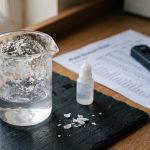
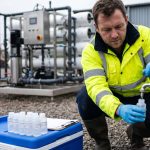
If unsafe pH causes the discoloration, or if your water itself looks discolored, you can test your drinking water’s pH at home. It’s really inexpensive; you just need a home test kit. Buy a good one and follow the instructions.
Most testers are water-quality tester pens. Just dip the pen into a sample of your drinking water, and you’ll get an accurate reading in moments. If the results are within the 6.5-8.5 range, you can relax. If not, consider getting a water neutralization device or talking to your local water provider.
Get the Best Water Neutralization Systems and Products
AMPAC USA offers the best water neutralizers. They can raise your water’s pH to an acceptable level, either manually or with a chemical injection. We also carry a wide range of these chemicals for different uses, all at great prices. Our chemicals are built using top international practices and years of research and development.
Give us a call for a consultation, or let an expert examine your chemical needs for water treatment systems. AMPAC offers 24/7 customer care and home visits from our skilled experts for any water treatment issues. See our range of water treatment chemicals.
References:
Frequently Asked Questions
What is a water neutralization system and why is it needed?
A water neutralization system is equipment designed to increase the pH of water to an acceptable level, typically above 7. It’s crucial for treating acidic feed water (pH < 7) to prevent issues like pipe corrosion, mineral staining, and to optimize the performance of subsequent water treatment systems, such as reverse osmosis units. These systems can operate manually or via chemical injection.
What is the recommended pH range for drinking water?
The U.S. Environmental Protection Agency (EPA) recommends that municipal drinking water suppliers maintain a pH level between 6.5 and 8.5. While pH is not a federally regulated water quality parameter, staying within this range helps ensure water quality and minimize issues like pipe corrosion.
How does acidic water (low pH) impact plumbing and water treatment systems?
Acidic water, with a pH below 7, can cause significant problems for plumbing and water treatment systems. It leads to mineral staining, accelerates corrosion in pipes, and can make the job of advanced purification systems like reverse osmosis tougher and less efficient. Addressing low pH is critical for system longevity and performance.
Is a water neutralization system different from a water softener?
Yes, a water neutralization system is distinct from a water softener. Neutralization systems specifically adjust the water’s pH to prevent acidity-related issues, while water softeners remove hardness minerals like calcium and magnesium. For optimal treatment, water neutralization systems should always be employed before water softeners.
What are the potential indicators of unsafe pH levels in water?
Unsafe pH levels, particularly very low or very high readings outside the 6.5-8.5 range, can indicate underlying water quality issues. Extremely low or high pH might be a sign of heavy metal pollution, which can result from natural processes, human activity, or weather patterns. Monitoring pH is a critical first step in assessing water safety.
AMPAC USA engineers custom water purification systems for commercial, industrial, and emergency applications — from 500 GPD to multi-million GPD. Trusted by municipalities, military, and industry worldwide.