

How to Effectively Remove Heavy Metals from Drinking Water
Ensuring the purity of drinking water is essential for health and well-being. The presence of heavy metals such as lead, arsenic, mercury, and cadmium poses ser…

Expert insights on water treatment, reverse osmosis, and purification systems
Ensuring the purity of drinking water is essential for health and well-being. The presence of heavy metals such as lead, arsenic, mercury, and cadmium poses ser…
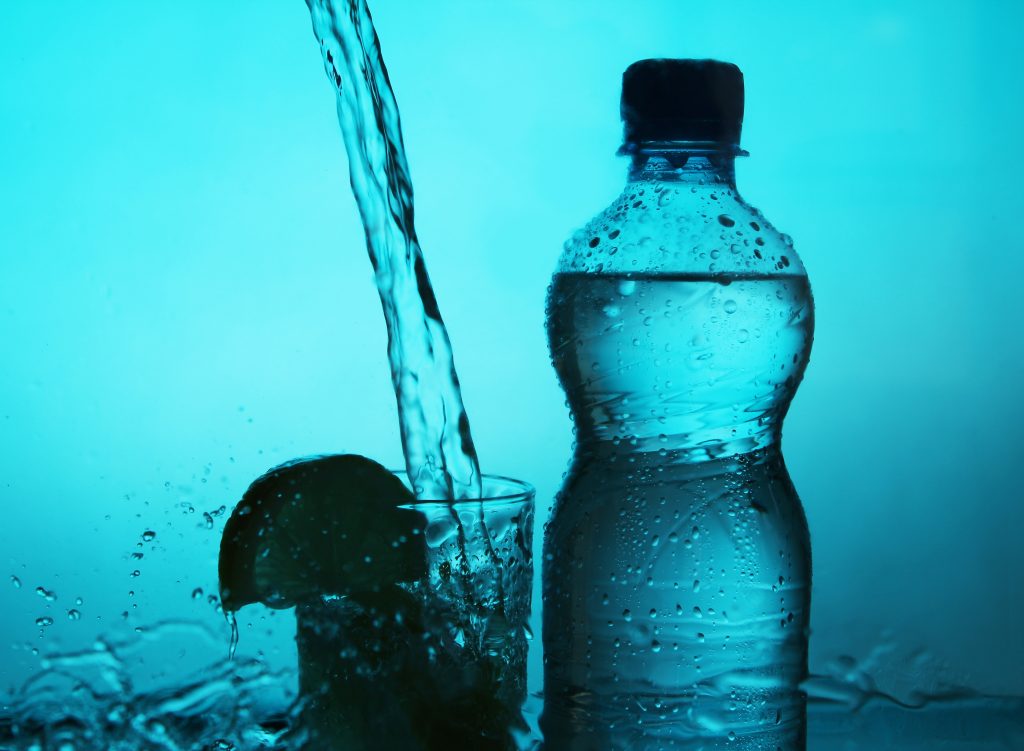
As we continue to grapple with the pervasive issue of plastic pollution, it is imperative that we prioritize research and innovation in this field.

The $3 billion investment in lead pipe replacement represents a critical step toward ensuring clean and safe drinking water for all Americans.

In a significant move to protect public health, the Environmental Protection Agency (EPA) has proposed new regulations to limit the presence of harmful “forev…

As we continue to face global water scarcity, the expansion and refinement of recycling technologies and practices represent vital steps towards a more sustainable and secure water future.

The discourse surrounding global water security is not merely academic; it is a call to action.

In an era when the spectre of climate change looms large over our collective future, water scarcity has emerged as one of the most pressing challenges facing humanity.
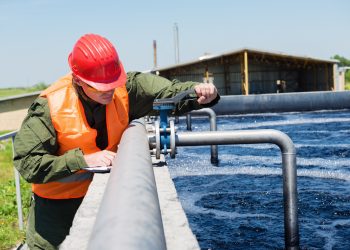
The choice between ultrafiltration, nanofiltration, and reverse osmosis depends on the specific water treatment requirements, including the quality of the feed water and the desired quality of the product water.

In the grand scheme of things, choosing purified water is more than just a preference; it’s a decision towards healthier living, environmental stewardship, and economic savings.
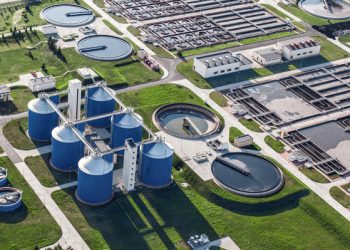
The advancement of wastewater treatment through reverse osmosis and seawater desalination is pivotal in tackling the dual challenges of water scarcity and environmental sustainability.