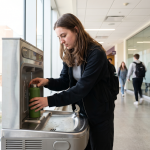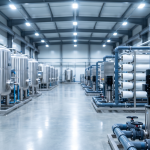
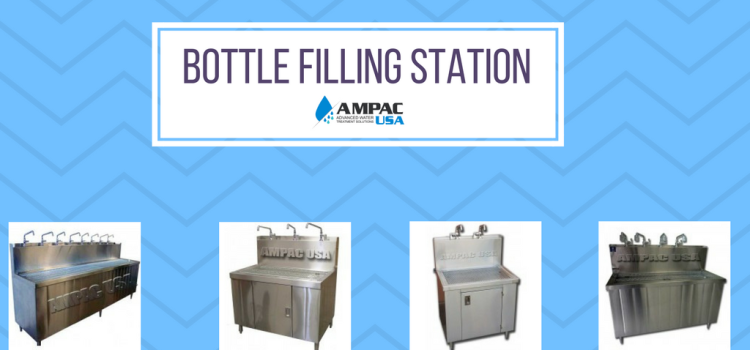

The bottled water market hit over $250 billion globally in 2023. Why? People worry about tap water quality and want easy access to clean, purified water. Water bottle filling stations – you might call them water vending kiosks or water stores – tap into this need by offering purified water. Advanced water treatment, like reverse osmosis, fixes water quality problems in this area. AMPAC USA’s commercial and industrial systems are built to meet these exact water treatment needs, with certified, proven performance.
Building a bottle filling stationso customers can get contaminant-free, reverse osmosis water has always been a smart move. If you’re thinking about buying one and making some money, now’s the time. A report, Global Bottled Water Market 2017-2021, said this booming market would grow by 7.95 percent CAGR from 2017-2021.
This report came together after deep market analysis and insights from top industry experts. It covered the market’s current state and its growth predictions for the next few years. It also included market size data, looking at sales of different bottled water types: still drinking, sparkling, and spring water.
Health Trends Matter
The report also pointed out that health is a big deal for most consumers now. They’re ditching sugary drinks for natural options. They want water with good mineral content, and reverse osmosis technology is perfect because it includes a remineralization stage. The demand for natural foods and drinks will keep pushing bottled water sales higher.
Premium is Perfect
Many customers prefer premium water over regular stuff. So, if you’re planning your own reverse osmosis bottled water filling station, focus on this trend. More high net worth individuals (HNWI) really drives the demand for premium products.
Avoidable Threat
Even though many people choose bottled water over sugary sodas or carbonated drinks, those drinks often taste better to some. You can get around this by talking up the bad effects of sugary drinks on health and promoting all the good things RO water does.
How to Make Your Bottled Water Sellable?
Let’s say you’ve bought a new reverse osmosis bottled water filling system from AMPAC USA. You’ve started selling your product with smart, fact-based marketing. Now, if you want to sell even more, think about fresh packaging. Also, highlight the remineralization. A good-looking product with essential minerals can convince even a hesitant customer to buy what you’re selling.
Frequently Asked Questions
What is the market size and growth potential for bottle filling stations?
The global bottled water market exceeded $250 billion in 2023, with a projected CAGR of 7.95% from 2017-2021. This growth is fueled by consumer concerns about tap water quality and a preference for convenient, purified options. AMPAC USA’s commercial and industrial water purification systems are engineered to meet the high demand for quality water in this expanding market.
Why are consumers increasingly choosing bottled water?
Consumers are increasingly choosing bottled water due to concerns about tap water quality, a preference for convenient purified options, and a shift away from sugary beverages towards natural drinks. Advanced water treatment technologies, such as reverse osmosis, address these concerns by providing contaminant-free water. This trend highlights the importance of reliable purification systems.
What water treatment technology is recommended for a bottle filling station?
Reverse osmosis (RO) technology is highly recommended for bottle filling stations because it effectively removes contaminants, providing purified water. Many RO systems also include a remineralization stage to ensure high mineral content, aligning with consumer preferences for natural and healthy beverages. AMPAC USA specializes in engineering robust RO systems for such commercial applications, ensuring certified performance.
How do health trends influence the demand for bottled water?
Health trends significantly boost bottled water demand as consumers increasingly avoid high-sugar beverages in favor of natural, healthier options. They seek water with high mineral content, which reverse osmosis systems with remineralization can provide. This consumer shift makes purified water a priority, driving market growth for bottle filling stations.
What factors drive the demand for premium bottled water?
The demand for premium bottled water is driven by consumers who prefer higher quality options over ordinary water, particularly the growing population of High Net Worth Individuals (HNWI). Focusing on this trend with advanced reverse osmosis purification ensures the water meets premium standards, offering a lucrative market segment. AMPAC USA’s systems are designed to deliver the consistent purity required for premium products.
AMPAC USA engineers custom water purification systems for commercial, industrial, and emergency applications — from 500 GPD to multi-million GPD. Trusted by municipalities, military, and industry worldwide.