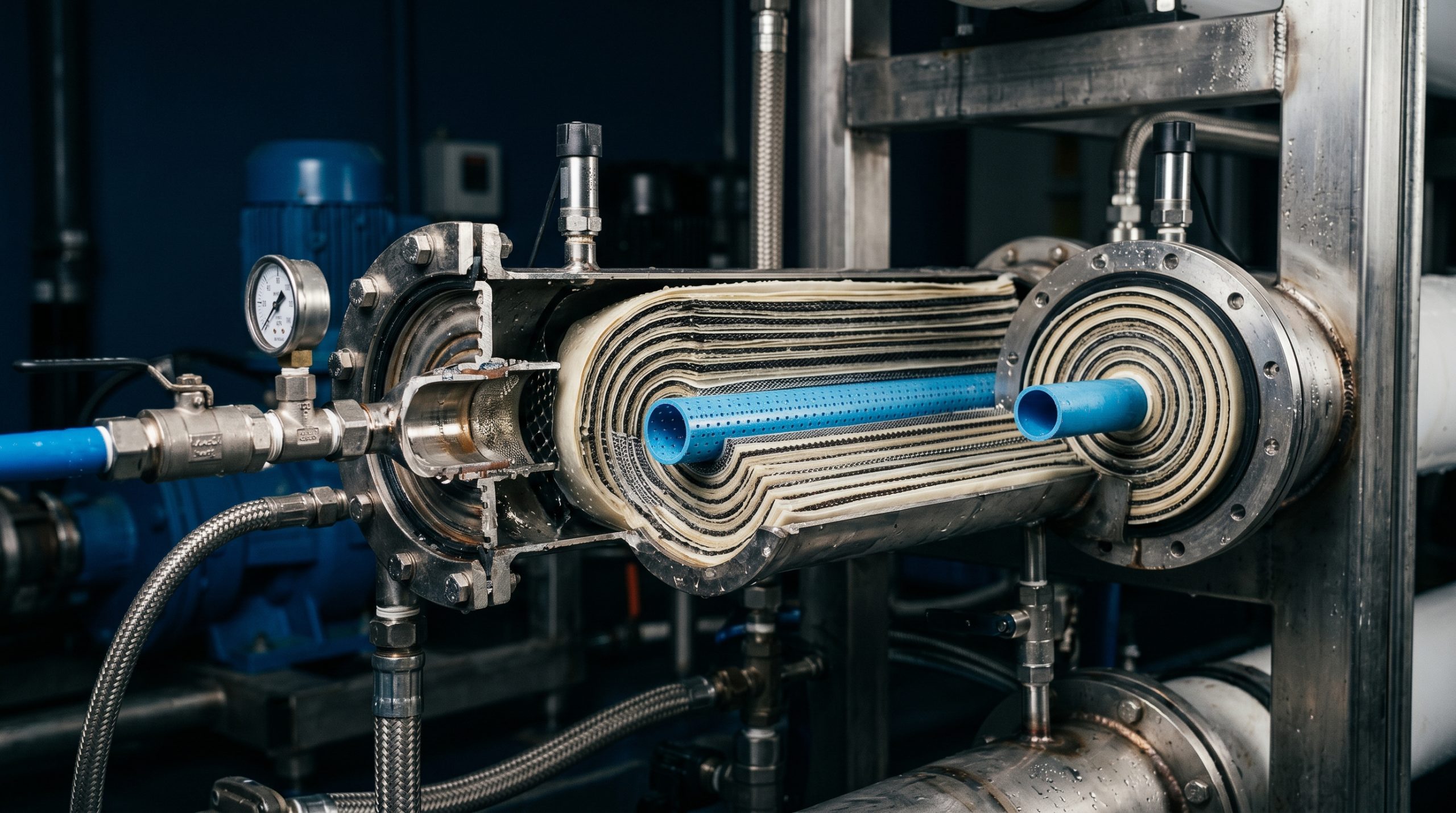

Most tap water in the United States meets federal Safe Drinking Water Act standards, but meeting the minimum standard is not the same as being clean. Aging distribution pipes, agricultural runoff, industrial discharge, and disinfection chemicals all contribute contaminants that a point-of-use filter is designed to address. The right water filter system depends on what is actually in your water.
Start With a Water Test
Before buying any filter, test your tap water. A certified laboratory test — not a free test offered by a filtration salesperson — costs $50–$150 and will identify TDS, nitrate level, hardness, iron content, and whether chlorine or chloramines are present. The EPA requires every municipal utility to publish an annual Consumer Confidence Report (CCR) — check yours first. If you are on well water, also test for coliform bacteria, arsenic, and radon.
Common Filter Types and What They Remove
Reverse Osmosis Systems
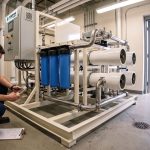
Reverse osmosis systems are the most comprehensive option for residential use. A 5-stage or 6-stage RO system installed under the kitchen sink will remove dissolved salts, fluoride, lead, arsenic, nitrates, chlorine, chloramines, and most PFAS compounds. Rejection rates for lead and arsenic typically exceed 97%. Modern systems run at 1:1 to 2:1 waste ratios — a significant improvement over older 4:1 systems. NSF International certifies RO systems under Standard 58 for contaminant reduction claims.
Carbon Block Filters
Carbon block filters excel at removing chlorine, chloramines, and organic compounds that affect taste and odor. They do not remove dissolved minerals, heavy metals, or nitrates at meaningful rates. A carbon filter is the right choice if your primary concern is taste and your TDS is already low.
Water Softeners
Water softeners use ion exchange to replace calcium and magnesium ions with sodium, preventing scale buildup in pipes and appliances. If your water is hard (above 7 grains per gallon), a softener protects water heaters, washing machines, and dishwashers from premature failure. The Water Quality Association (WQA) estimates that hard water affects approximately 85% of US homes.
Ultrafiltration Systems
Ultrafiltration (UF) systems remove bacteria, viruses, and particles without removing dissolved minerals. They are a good fit for households with good source water quality that primarily want microbial protection.
Water Filter Comparison Table
| Filter Type | Removes Dissolved Minerals | Removes Lead/Arsenic | Removes PFAS | Removes Bacteria |
|---|---|---|---|---|
| Reverse Osmosis | Yes (95–99%) | Yes (>97%) | Yes (>94%) | Yes (with UV) |
| Carbon Block | No | Limited | Limited | No |
| Water Softener | Exchanges Ca/Mg | No | No | No |
| Ultrafiltration | No | No | No | Yes |
PFAS: The Emerging Challenge in US Water Filtration
Per- and polyfluoroalkyl substances (PFAS) — sometimes called “forever chemicals” — have contaminated water supplies near military bases, airports, and manufacturing facilities across the US. In 2024, the EPA finalized the first federal Maximum Contaminant Level (MCL) for PFAS, setting limits for PFOA and PFOS at 4 parts per trillion. Reverse osmosis is currently the most effective residential technology for PFAS removal, achieving over 94% reduction for most PFAS compounds.
AMPAC USA Home and Commercial Water Filtration
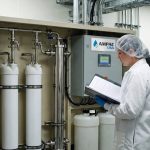
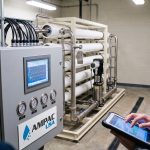
AMPAC USA manufactures residential and commercial water filtration systems designed for US water chemistry. Our RO systems remove lead, coliform bacteria, and tannins that affect both safety and taste. All systems include NSF-certified components. Contact us at ampac1.com to discuss the right filtration solution for your water source.
Frequently Asked Questions
Why should I filter my tap water if it meets EPA standards?
While tap water in the USA meets federal Safe Drinking Water Act minimums, these standards don’t guarantee optimal cleanliness. Aging distribution pipes, agricultural runoff, industrial discharge, and disinfection chemicals like chlorine can introduce additional contaminants. A point-of-use filter addresses these concerns, providing cleaner, better-tasting water.
How do I choose the right home water filter system?
The first step is to test your tap water with a certified laboratory, which typically costs $50–$150. This test identifies specific contaminants like TDS, nitrates, hardness, and chlorine. For municipal water, review your utility’s annual Consumer Confidence Report (CCR) to understand your water’s profile, guiding your filter choice.
What contaminants does a reverse osmosis system remove?
A 5-stage or 6-stage reverse osmosis (RO) system is highly comprehensive, removing dissolved salts, fluoride, lead, arsenic, nitrates, chlorine, chloramines, and most PFAS compounds. These systems achieve high rejection rates, typically exceeding 97% for lead and arsenic, and are certified under NSF Standard 58 for contaminant reduction.
What is the main purpose of a carbon block water filter?
Carbon block filters primarily excel at removing chlorine, chloramines, and organic compounds that cause unpleasant tastes and odors in water. They are an excellent choice if your main concern is improving the aesthetic qualities of your water, especially when your water’s total dissolved solids (TDS) are already low.
How do I know if I need a water softener for my home?
You likely need a water softener if your water is hard, which means it’s above 7 grains per gallon. Hard water causes scale buildup in pipes and appliances, leading to premature failure of water heaters, washing machines, and dishwashers. The Water Quality Association (WQA) estimates that approximately 85% of US homes are affected by hard water.
Conclusion
There’s no single best water filter — the right choice depends entirely on what your test results actually show, whether that’s hardness, PFAS, lead, or just chlorine taste. Reverse osmosis covers the widest range of contaminants and is worth the investment if your water report shows multiple issues, while a simpler carbon filter may be all you need for taste alone. Start with a real lab test, not a free kit from a filtration salesperson, and let the results drive the decision instead of guessing. Browse our residential RO systems, or contact our team at info@ampac1.com or (909) 548-4900 to find the right fit for your home’s water.
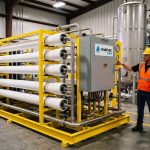
AMPAC USA engineers custom water purification systems for commercial, industrial, and emergency applications — from 500 GPD to multi-million GPD. Trusted by municipalities, military, and industry worldwide.