
Summary: Reverse osmosis (RO) water filtration removes up to 99% of dissolved contaminants—including lead, nitrates, chlorine, and fluoride—from tap water, making it one of the most effective home water purification technologies available.
How Reverse Osmosis Makes Your Home’s Water Healthier
A standard point-of-use (POU) reverse osmosis system pushes tap water through a semi-permeable membrane with pores as small as 0.0001 microns—roughly 500,000 times smaller than a human hair. This physical barrier rejects dissolved salts, heavy metals, bacteria, viruses, cysts, and many industrial chemicals that pass through conventional carbon block filters unimpeded.
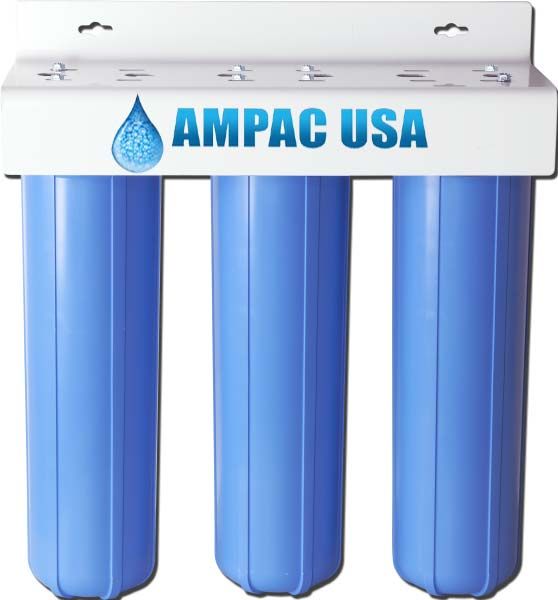
Stage-by-stage filtration: Most home RO units are 4–6 stage systems. Water passes first through a sediment pre-filter to remove particles and protect the membrane, then a carbon block that reduces chlorine and volatile organic compounds (VOCs) that would otherwise degrade membrane performance. The RO membrane itself handles the heavy lifting—rejecting lead, arsenic, nitrates, chromium, fluoride, and PFAS compounds. A post-filter carbon polishing stage removes any residual taste or odor before water reaches the faucet.
Contaminant rejection rates: EPA-certified RO membranes typically achieve 90–99% rejection of lead (Pb), 88–95% rejection of nitrates, 95–99% rejection of arsenic, and 94–97% rejection of chromium-6. These figures represent a dramatic improvement over standard activated carbon or pitcher filters, which are largely ineffective against dissolved inorganic contaminants.
Health benefits in the home: For households on municipal water that regularly tests above EPA action levels for lead or nitrates—or private well users concerned about agricultural runoff—an RO system under the kitchen sink provides an affordable, continuous supply of treated water for drinking and cooking. The per-gallon cost is typically $0.01–$0.05, far less than bottled water. Regular membrane replacement every 2–3 years (or per manufacturer specification) maintains performance and prevents bacterial growth within the unit.
Remineralization and taste: Because RO strips nearly all dissolved minerals, many systems add a remineralization stage to restore beneficial calcium and magnesium. This improves taste and restores mild alkalinity (pH 7.0–7.5), which some users prefer over the slightly acidic pH of unmineralized RO water.
The secret to a healthy home is very often its well-purified drinking water. Needless to say, you would want nothing but the best for your family too. There are many methods that have been used for several years to deliver purified water for homes. Technologies and systems such as activated carbon purification, candle filter, ultra-voilet purification, ultra filtration and several others have been utilized extensively. Out of these systems, the one that has stood out in terms of performance is Reverse Osmosis technique. The implementation of reverse osmosis water filtration has made water purification more efficient than ever before.
A typical RO is considered to be capable of removing unwanted particles from water up to 99%. Now that is some serious efficiency, isn’t it? A Reverse Osmosis system is the first option that you will come across while looking for a water purifier for your home. That speaks volumes of confidence that users have shown in this purification system.
Well, there’s solid reason behind the never-ending popularity of RO system. This purification technology has turned out to be the most effective yet the most economical method for getting pure drinking water for home. Due to its cost-effectiveness, RO has brought world class purification to many homes which otherwise would have been left deprived of quality water.
Why is it so effective?
Let’s understand how it functions: Even though there is a more scientific explanation for its principle, but we’ll break it down for you. The first thing to be understood is the Osmosis process. It is a phenomenon under which a lesser saline (salty) solution will be likely to integrate with a saltier solution.
Frequently Asked Questions
What contaminants does a home reverse osmosis system remove?
A quality RO system removes lead, arsenic, chromium-6, nitrates, fluoride, PFAS compounds, chlorine, chloramines, dissolved solids, bacteria, viruses, and most pharmaceutical residues. Removal efficiency varies by contaminant and membrane quality—always verify the system holds NSF/ANSI 58 certification for your specific contaminants of concern.
How often should I replace my RO membrane and filters?
Pre-filters (sediment and carbon) typically need replacement every 6–12 months depending on feed water quality. The RO membrane itself lasts 2–5 years. Post-carbon polishing filters should be replaced annually. A drop in water output or a measurable increase in total dissolved solids (TDS) in the product water signals membrane replacement is overdue.
How much water does reverse osmosis waste?
Traditional RO systems produce 1 gallon of purified water for every 3–4 gallons of feed water, sending the rest down the drain as brine concentrate. High-efficiency models and permeate pumps can improve this ratio to 1:1 or better. Waste water can be recaptured for watering plants (if TDS is acceptable), washing cars, or toilet flushing.
Is RO water safe for cooking and making baby formula?
Yes—RO water is safe for cooking and infant formula preparation. In fact, the American Academy of Pediatrics notes that low-fluoride water (which RO produces) may require fluoride supplementation for infants not receiving fluoridated formula. Consult your pediatrician for guidance if using RO water for formula preparation long-term.
What is NSF/ANSI 58 certification and why does it matter?
NSF/ANSI 58 is an independent standard verifying that an RO system achieves the manufacturer’s claimed contaminant reduction rates under standardized test conditions. A certified system provides documented performance data for each listed contaminant. Without this certification, you cannot reliably verify the system’s actual effectiveness.
Can reverse osmosis remove PFAS “forever chemicals”?
Yes. Multiple independent studies and EPA assessments confirm that RO membranes reduce PFOA and PFOS concentrations by 90–99%, making RO one of the most effective residential treatment options for PFAS. Nanofiltration membranes offer similar performance. Standard activated carbon pitcher filters and refrigerator filters provide minimal PFAS reduction by comparison.
Does RO water taste different from tap water?
Most users describe RO water as “clean” and neutral-tasting because chlorine, sulfates, and other taste-affecting minerals are removed. If the taste seems flat or slightly acidic, a remineralization filter added as a final stage restores small amounts of calcium and magnesium and raises the pH to 7.0–7.5, closely matching natural spring water profiles.
Related Articles
- Enhancing Home Water Quality with Advanced Under Sink Reverse Osmosis Systems
- How Whole House and Under Sink Reverse Osmosis Drinking Water Filtration Systems Works?
- Whole House Reverse Osmosis Benefits: Why Every Home Should Have One
- Is Reverse Osmosis the Best Way to Filter Water? Complete Comparison
AMPAC USA engineers custom water purification systems for commercial, industrial, and emergency applications — from 500 GPD to multi-million GPD. Trusted by municipalities, military, and industry worldwide.