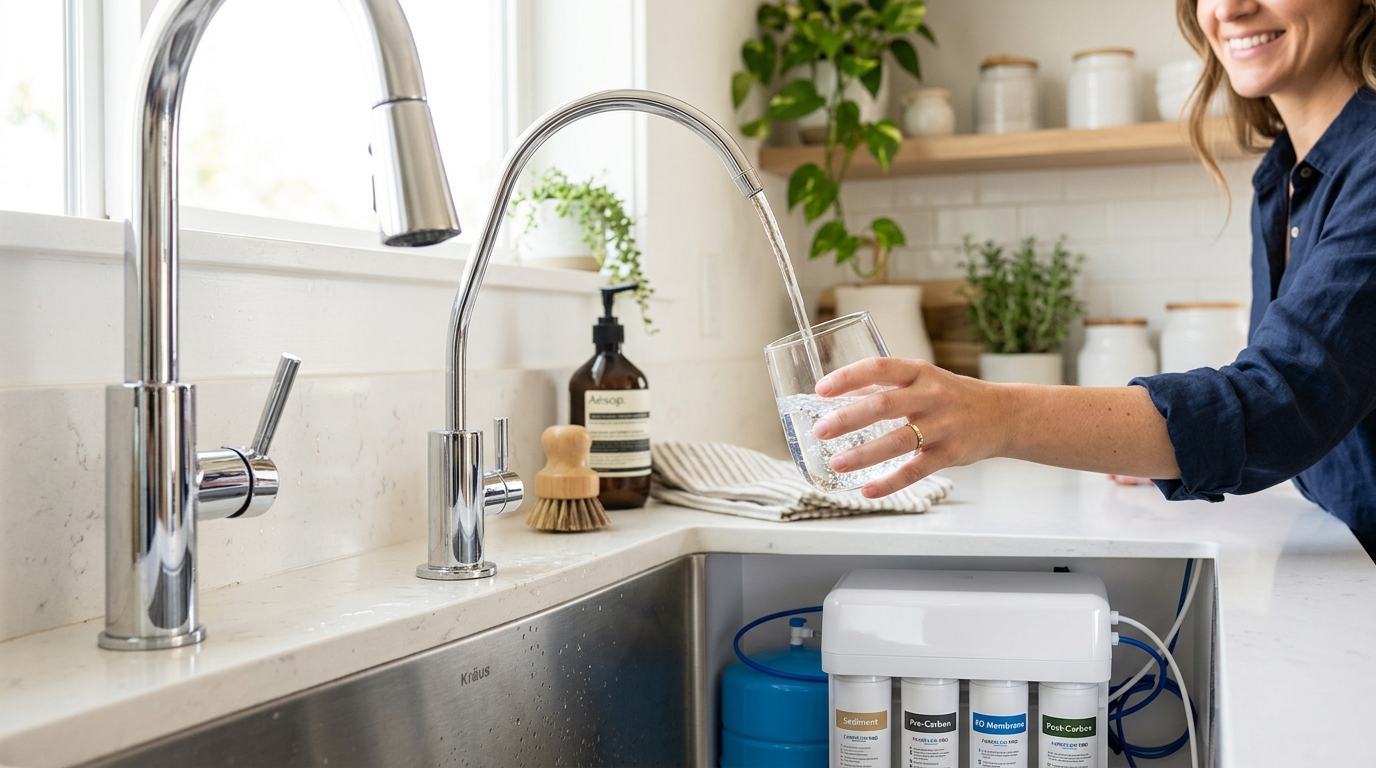

The post appeared first on . Source: Water Feed Perchlorate is a chemical contaminant primarily found in drinking water originating from military sites, rocket fuel manufacturing, and naturally occurring in soil from arid regions. It is known to interfere with thyroid hormone production, posing a health concern. The EPA has established a maximum contaminant level (MCL) of 0.056 mg/L (56 ppb) for perchlorate as of 2024. As of 2024, the United States Environmental Protection Agency (EPA) has set a maximum contaminant level (MCL) of 0.056 mg/L, or 56 parts per billion (ppb), for perchlorate in public drinking water systems. This regulation aims to protect public health from the adverse effects of perchlorate exposure, particularly its impact on thyroid function. Proven technologies for effective perchlorate removal from drinking water include reverse osmosis (RO) and ion exchange systems. AMPAC USA designs and manufactures commercial and industrial-grade RO and ion exchange systems capable of reducing perchlorate levels to meet regulatory standards. Our engineers leverage direct field experience from installations worldwide to implement these solutions. Yes, studies indicate that the extent and degree of perchlorate occurrence in large US public water systems have decreased since the initial Unregulated Contaminant Monitoring Rule (UCMR 1) data collection between 2001 and 2005. This finding suggests that the UCMR 1 dataset is no longer fully representative, prompting regulatory bodies to periodically re-evaluate conditions. Perchlorate is a concern in drinking water because it interferes with the human body’s thyroid hormone production, which is vital for metabolism, growth, and development. Exposure, particularly in vulnerable populations, can lead to health issues related to thyroid dysfunction. The EPA’s 2024 maximum contaminant level of 0.056 mg/L reflects this recognized health risk. AMPAC USA engineers custom water purification systems for commercial, industrial, and emergency applications — from 500 GPD to multi-million GPD. Trusted by municipalities, military, and industry worldwide.Related Articles
Frequently Asked Questions
What is perchlorate and what are its primary sources in drinking water?
What is the current EPA maximum contaminant level (MCL) for perchlorate in drinking water?
What are the effective methods for removing perchlorate from water?
Has the occurrence of perchlorate in US public water systems changed over time?
Why is perchlorate a concern in drinking water?
Quick Answer: Perchlorate is a chemical that can get into your drinking water. You’ll find it around military sites, places that make rocket fuel, and even naturally in dry, arid soil. It messes with how your thyroid produces hormones. In 2024, the EPA set a limit of 0.056 mg/L (that’s 56 ppb) for perchlorate. Good news, though, reverse osmosis and ion exchange are proven ways to get rid of it.
Need a Water Treatment Solution?

About AMPAC USA
AMPAC USA manufactures advanced reverse osmosis and water purification systems for industrial, commercial, marine, and residential applications worldwide.
Visit AMPAC USACategories
Recent Posts
-
 Commercial RO System Maintenance: The Complete Annual Schedule
-
 Aging Pipes, Rising Advisories: On-Site RO as Business Continuity Insurance
-
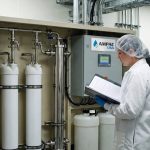 Ultrapure Water Demand Is Outpacing Supply: A Lab Water Guide for GMP Facility Engineers
-
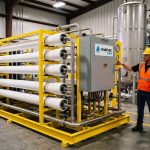 Zero Liquid Discharge Goes Mainstream: A Practical Entry Point for Manufacturers
-
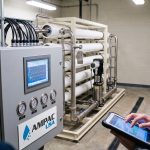 AI Predictive Maintenance Is Cutting Water Treatment Downtime