
Quick Answer: Remember the Flint, Michigan water crisis? Studies that tracked lead reduction in homes there during the 2016 federal emergency found that a few key actions really made a difference. They started using orthophosphate again for corrosion control, handed out NSF-certified point-of-use filters, and sped up replacing those old lead service lines. Together, these steps brought water lead levels way down from their crisis peaks (some were over 1,000 ppb!) to levels that met or got close to EPA standards. What happened in Flint shows us a clear path for dealing with lead contamination and investing in our water systems to prevent future problems.
; , M.; ; et al.
Lead Removal Filter: A Crucial Step Toward Safe, Clean Drinking Water
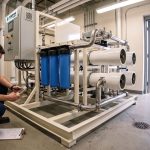
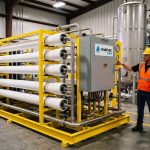
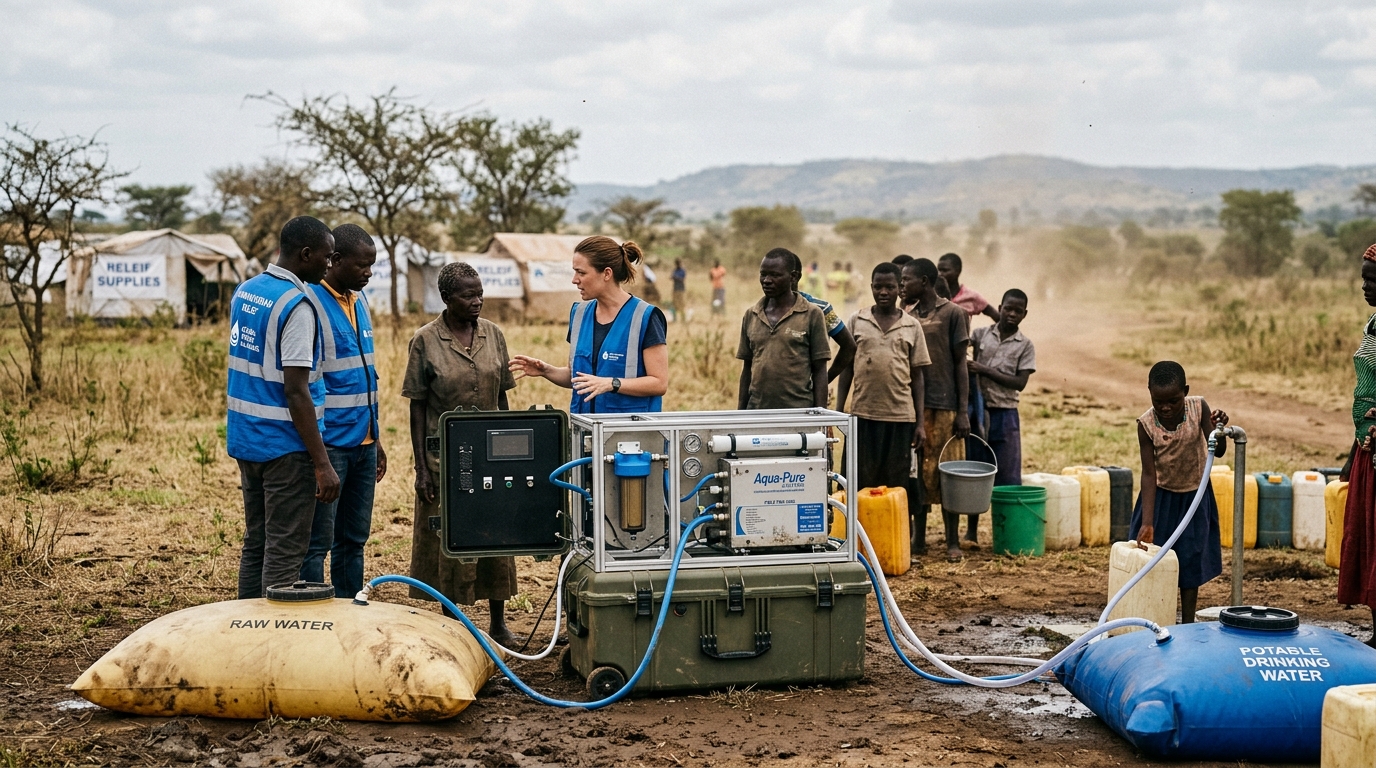
The Flint water crisis began in 2014 after the city switched its water source to the Flint River without implementing essential orthophosphate corrosion control treatment. This oversight allowed lead from aging service lines and premise plumbing to leach into the drinking water, leading to dangerously high lead levels. Remedial actions in Flint included reconnecting to the original Lake Huron source water, implementing enhanced orthophosphate corrosion control, distributing NSF-certified point-of-use filters, and accelerating lead service line replacement. These multi-pronged efforts collectively reduced water lead levels from crisis peaks, some exceeding 1,000 ppb, to meet EPA standards. Independent sampling by the EPA and Virginia Tech evaluated lead exposure using two methods. Normal flow sampling (~2-3 L/min) was conducted at the cold kitchen tap, while high-velocity flushing (~12-13 L/min) from the hose bib assessed loose lead deposits from service lines and premise plumbing. In some anomalous Flint homes, high lead in water persisted for more than a year due to a large reservoir of loose lead deposits within the service lines. Lead levels in these specific cases only returned to acceptable levels after the complete removal and replacement of the lead service lines. AMPAC USA designs and manufactures a range of emergency water purification systems, from portable units producing 1,500 GPD (gallons per day) to trailer-mounted systems exceeding 50,000 GPD. We also offer military-specification units engineered for robust performance and deployment in challenging environments like forward operating bases. AMPAC USA engineers custom water purification systems for commercial, industrial, and emergency applications — from 500 GPD to multi-million GPD. Trusted by municipalities, military, and industry worldwide.Frequently Asked Questions
What caused the Flint water crisis?
What actions effectively reduced lead in Flint’s water supply?
How were lead levels measured in Flint homes during the emergency?
How long did lead contamination persist in some Flint homes despite remediation efforts?
What emergency water purification systems does AMPAC USA provide?