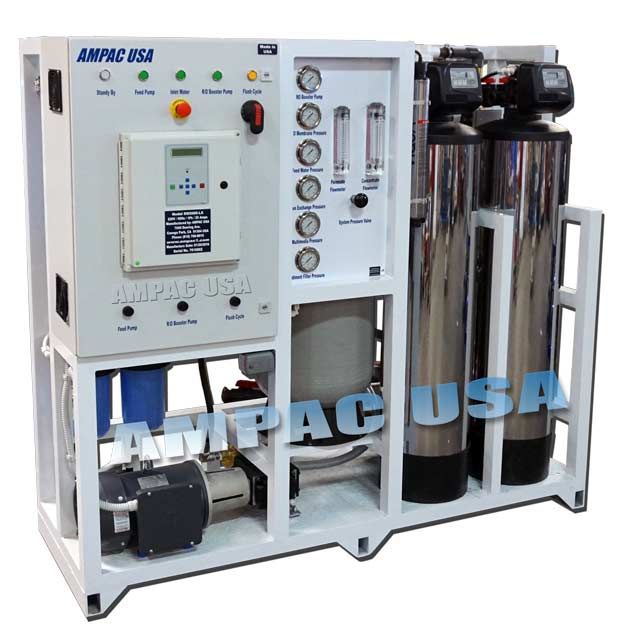

Water is an essential element of life, yet clean, fresh water is a scarce resource in many parts of the world. Innovative processes for treating water, particularly seawater, have become an increasingly important solution to this challenge. How raw water is transformed into safe drinking water, focusing on the exciting process of seawater desalination.
The Challenge of Water Scarcity
A large portion of our planet is covered with water; however, only about 2.5% of it is fresh water. Furthermore, a tiny fraction of this freshwater is available for human consumption, with the majority locked away in ice caps and underground reservoirs. This situation is further exacerbated in arid regions with scarce rainfall and high population densities. Here enters the potential of seawater desalination, a process that aims to tap into the vast resource of the world’s oceans and seas, which account for over 97.5% of the world’s water.
Understanding Seawater Desalination
Seawater desalination is the process of removing dissolved salts and other impurities from seawater, transforming it into safe, drinkable water. This process is not new – it has been used for centuries in different forms. However, with advances in technology and an increasing demand for fresh water, the efficiency and scale of seawater desalination have improved significantly.
There are two main methods of seawater desalination that are most commonly used today – reverse osmosis and distillation.
Reverse Osmosis Desalination
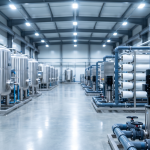
In the reverse osmosis process, high-pressure pumps push seawater through a series of membranes with very tiny pores. These pores are designed to allow water molecules to pass through but are too small for most impurities, including salts. This process effectively separates fresh water from the salts and other contaminants, resulting in potable water.
Distillation Desalination
Distillation, the other primary method of desalination, employs heat to evaporate seawater. The evaporated water is then captured and condensed back into a liquid state, effectively leaving behind the salts and impurities. This process mimics the natural water cycle, where seawater is evaporated by the sun, condenses to form clouds, and falls as rain.
Addressing Environmental Concerns
Despite the promise of seawater desalination, the process isn’t without challenges. High energy consumption, brine disposal, and potential harm to marine ecosystems are among the primary concerns. However, with continued advancements in technology, steps are being taken to mitigate these environmental impacts.
The field of seawater desalination is one of continuous improvement and innovation. With the rise of solar and wind power, the high energy demands of desalination plants are being met in more sustainable ways. Additionally, methods for responsible brine disposal and minimizing intake and outfall impacts on marine life are being developed and implemented.
A Crucial Role in Water Security
As populations grow and fresh water resources become increasingly strained, the importance of technologies like seawater desalination escalates. While not a one-size-fits-all solution, it plays a vital role in bolstering water security in many parts of the world, providing a lifeline to people in arid coastal regions and islands.
Hard Water vs Soft Water: Unraveling the Impact on Our Homes and Health
Welcome back to our blog! Today, we’re going to navigate through the world of water, specifically focusing on the contrast between hard water and soft water. If you’re like many people, you might be unaware that the water flowing from your taps could be “hard” or “soft.” By understanding these terms and their effects on both your household and health, you’ll be better equipped to manage your water quality at home.
What’s in Your Water?
The term “hard” or “soft” when referring to water relates to the concentration of certain minerals, particularly calcium and magnesium. Water becomes “hard” when it contains high levels of these minerals, typically acquired as it flows through limestone and chalk deposits. In contrast, “soft” water contains lower levels of these minerals. The degree of water hardness varies depending on your geographical location and the source of your water.
Hard Water: A Hidden Household Nuisance
On the surface, hard water might not seem like a big deal. After all, it’s often perfectly safe to drink. However, it’s a different story when it comes to household use. Hard water can be the cause of various minor but rather irritating issues.
Scale Build-up
Ever noticed a white, scaly buildup on your faucets, showerheads, or inside your kettle? That’s the work of hard water. Over time, the minerals in hard water can accumulate and form “scale.” This not only diminishes the look of your fixtures but can also lead to reduced water flow and ultimately damage your appliances.
Soap’s Worst Enemy
Hard water is notorious for its poor interaction with soap. The minerals in hard water can react with soap to form a residue often termed as “soap scum.” This means more effort scrubbing your dishes and bathroom surfaces and also causes soaps and shampoos to lather less, potentially leaving your skin and hair feeling dry and itchy.
Soft Water: A Silver Lining with a Few Clouds
Soft water, with its low mineral content, is gentler on appliances and makes soaps lather easily. It’s often preferred for household chores and can make your hair and skin feel smoother. However, it’s not all sunshine and rainbows.
Soft water tends to be more corrosive than hard water. If your home has copper pipes or lead solder, soft water might leach these materials, leading to unsafe levels of these metals in your water. Also, while not a health risk, many people find that soft water feels “slippery” and makes rinsing soap off feel slightly challenging.
Effects on Health
Hard water is generally safe to drink and can be a supplemental source of dietary calcium and magnesium. However, very hard water might contribute to minor digestive discomfort in some individuals. On the flip side, while soft water is also typically safe to drink, its increased sodium levels might pose a problem for individuals on a low-sodium diet.
In conclusion, the transformation of raw seawater into safe drinking water via desalination is a significant achievement of modern engineering. It offers a glimpse of hope in the global water scarcity crisis and reinforces the importance of technological advancements in our quest for water security. The process, while not without its challenges, is a crucial part of the solution to ensure that every individual has access to this life-sustaining resource – clean, fresh water.
Please Call Us For Water Purification Systems at AMPAC USA
You can talk to the water quality experts at AMPAC USA. Founded in 1990, AMPAC USA has been designing, deploying, and maintaining advanced, reliable, robust, and cost-effective water treatment solutions for decades.
From offering seawater desalination systems to emergency portable watermakers, residential reverse osmosis to commercial reverse osmosis water, brackish water reverse osmosis to solar power water systems, and mobile water provisioning systems to industrial reverse osmosis systems, AMPAC USA does it all.
AMPAC USA also offers type 1 laboratory water, water quality monitor systems, water softeners & conditioners, and wastewater treatment solutions. You can choose the products you like best or need and place an order today to ensure quick deliveries. Our team will be happy to assist you find the right solution according to your pure water needs after asking you a few simple questions.
For more information, visit https://www.ampac1.com/ or call +1 (909) 548-4900.
Read For More Article:
Harnessing the Power of Desalination to Tackle the Global Water Crisis
Best Commercial vs. Residential Reverse Osmosis Systems
The Importance of Seawater Desalination in Today’s World
Frequently Asked Questions
How quickly can an emergency water purification unit be deployed?
AMPAC USA's EPRO and mobile RO units can be operational within 30–60 minutes of arrival on-site. Trailer-mounted and skid-mounted systems are pre-plumbed and pre-wired, requiring only connection to a power source and water source. Units treat river water, lake water, or brackish groundwater.
What flow rates are available for emergency water treatment?
AMPAC USA's emergency systems range from 1,500 GPD portable units to 50,000+ GPD trailer-mounted systems. Military-specification units are available for forward operating base deployment, producing potable water meeting EPA and WHO drinking water standards from virtually any source.
Are emergency RO systems suitable for disaster relief operations?
Yes. AMPAC USA's emergency systems are used by FEMA, the U.S. military, and international NGOs for disaster relief. They treat flood water, contaminated groundwater, and brackish sources, removing bacteria, viruses, and chemical contaminants to produce safe drinking water on-site.
What power sources can emergency water purification systems use?
AMPAC USA's emergency systems can run on generator power (120/240V or 480V 3-phase), solar panels with battery backup, or vehicle power take-off (PTO). Low-power models consume as little as 0.5 kW, making them viable for off-grid deployment.
How durable are military-grade water purification systems?
AMPAC USA's military systems are built to MIL-SPEC standards with stainless steel frames, powder-coated components, and UV-resistant materials. They are designed to operate in temperatures from -20°F to 120°F and are vibration-tested for transport in military vehicles.
Related Articles
- Seawater Desalination: Tapping into Seawater’s Potential for Drinkable Water
- Seawater Desalination: Turning Oceans into Fresh Water Sources
- Seawater Desalination in 2026: Technologies, Costs, and the Future of Fresh Water
- Seawater Desalination Systems: Turning the Tide on Global Water Scarcity
Conclusion
This post highlighted how emergency and military-grade water purification systems provide safe drinking water rapidly in the most challenging field conditions. For organizations requiring deployable water treatment capability, AMPAC USA engineers portable and trailer-mounted systems built to perform wherever they are needed. Contact our team at info@ampac1.com or (909) 548-4900 to discuss your emergency water treatment requirements.
AMPAC USA engineers custom water purification systems for commercial, industrial, and emergency applications — from 500 GPD to multi-million GPD. Trusted by municipalities, military, and industry worldwide.