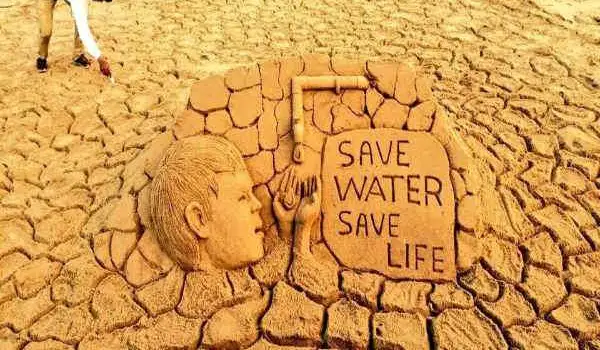

beginning of this year, but things aren’t lost yet. Reports say the crisis day moved to 2019. That’s a huge relief for locals, but Cape Town’s water crisis isn’t over. Here’s how they bought more time and what other countries can learn from this.
What if Day Zero Hadn’t Been Postponed?
Will Rain Help?
Water Use Dropped
We Need to Keep Water Use in Check
Why Cape Town Ran into Water Trouble
The Unexpected Help
Sources
- cape-town-water-crisis-day-zero-south-africa
- http://ewn.co.za/2018/06/04/may-rains-an-improvement-but-ct-still-under-drought-conditions-says-dept
Frequently Asked Questions
Is Cape Town still in a drought despite recent rains?
Yes, the Department of Environmental Affairs confirms Cape Town remains in a drought. While recent winter rains have shown slight improvements, with May recording 66 millimeters compared to a 62-millimeter average, experts indicate that over three years of above-average rainfall are required to fully alleviate the water crisis. This highlights the long-term nature of water scarcity and the need for sustainable solutions beyond seasonal precipitation.
What was “Day Zero” in Cape Town?
“Day Zero” was the projected date when Cape Town’s municipal water supply would be shut off, leaving no water available in taps for its approximately 4 million residents. The city came critically close to this nightmare scenario, which was initially projected for July 9th but later postponed to 2019 due to conservation efforts and some rainfall. This event underscored the fragility of water infrastructure without robust purification and management systems.
How much water were Cape Town residents rationed daily during the crisis?
During the peak of the crisis, Cape Town residents were strictly rationed to 25 liters (approximately 6.5 gallons) of water per person per day. This limited allocation was intended to cover all basic needs, including drinking, bathing, and flushing toilets, and would have been collected from about 200 designated collection points. Such extreme rationing demonstrates the critical need for reliable, large-scale water purification systems to ensure consistent supply.
Did recent rainfall completely solve Cape Town’s water crisis?
No, recent rainfall has not completely solved Cape Town’s water crisis. While May saw 66 millimeters of rain, slightly above the long-term average of 62 millimeters, the Department of Environmental Affairs confirms the region remains in a drought. Experts emphasize that the city requires over three years of above-average rainfall to fully recover, highlighting that seasonal precipitation alone is insufficient for long-term water security.
How much did Cape Town reduce its daily water consumption?
Cape Town successfully reduced its average daily water consumption to 505 liters per day, representing a significant drop of 20 million liters. This reduction was a crucial factor in postponing Day Zero. However, maintaining low consumption and implementing advanced water management strategies, including potential water reuse and desalination technologies, are vital for sustained water security.
AMPAC USA engineers custom water purification systems for commercial, industrial, and emergency applications — from 500 GPD to multi-million GPD. Trusted by municipalities, military, and industry worldwide.