

…More
The post appeared first on . Source: Water Feed What are PFOS and PFOA, and why are they a concern? What are the primary routes of PFOS and PFOA exposure for pregnant women? Do PFOS and PFOA transfer from a pregnant mother to her fetus? What were the measured levels of PFOS and PFOA in pregnant women and newborns in the Catalonia study? How can individuals, especially pregnant women, reduce exposure to PFOS and PFOA? AMPAC USA engineers custom water purification systems for commercial, industrial, and emergency applications — from 500 GPD to multi-million GPD. Trusted by municipalities, military, and industry worldwide.Frequently Asked Questions
PFOS (perfluorooctane sulfonic acid) and PFOA (perfluorooctanoic acid) are persistent synthetic chemicals belonging to the PFAS family, often called ‘forever chemicals.’ Historically used in various industrial and consumer products, they have led to widespread environmental contamination, including water sources. Their persistence and potential health impacts, particularly during critical developmental windows like pregnancy, make them a significant public health concern.
The study in Catalonia, Spain, identified dietary intake—through contaminated food and water—as the main route of exposure to PFOS and PFOA for pregnant women. Other calculated exposure routes included air inhalation and indoor dust ingestion. Understanding these pathways is crucial for developing effective strategies to mitigate exposure during fetal development.
Yes, the study confirmed significant transplacental transfer of both PFOS and PFOA from mother to fetus. Researchers estimated transfer rates of approximately 70% for PFOS and 60% for PFOA. This highlights the critical importance of monitoring and reducing exposure to these endocrine-disrupting chemicals during pregnancy to protect fetal health.
In the Catalonia cohort, mean plasma levels of PFOA were 0.45 ng/mL in the first trimester, decreasing to 0.13 ng/mL at delivery and 0.12 ng/mL in cord plasma. For PFOS, mean levels were 2.93 ng/mL in the first trimester, 2.21 ng/mL at delivery, and 1.17 ng/mL in cord plasma, indicating significant exposure throughout pregnancy and at birth.
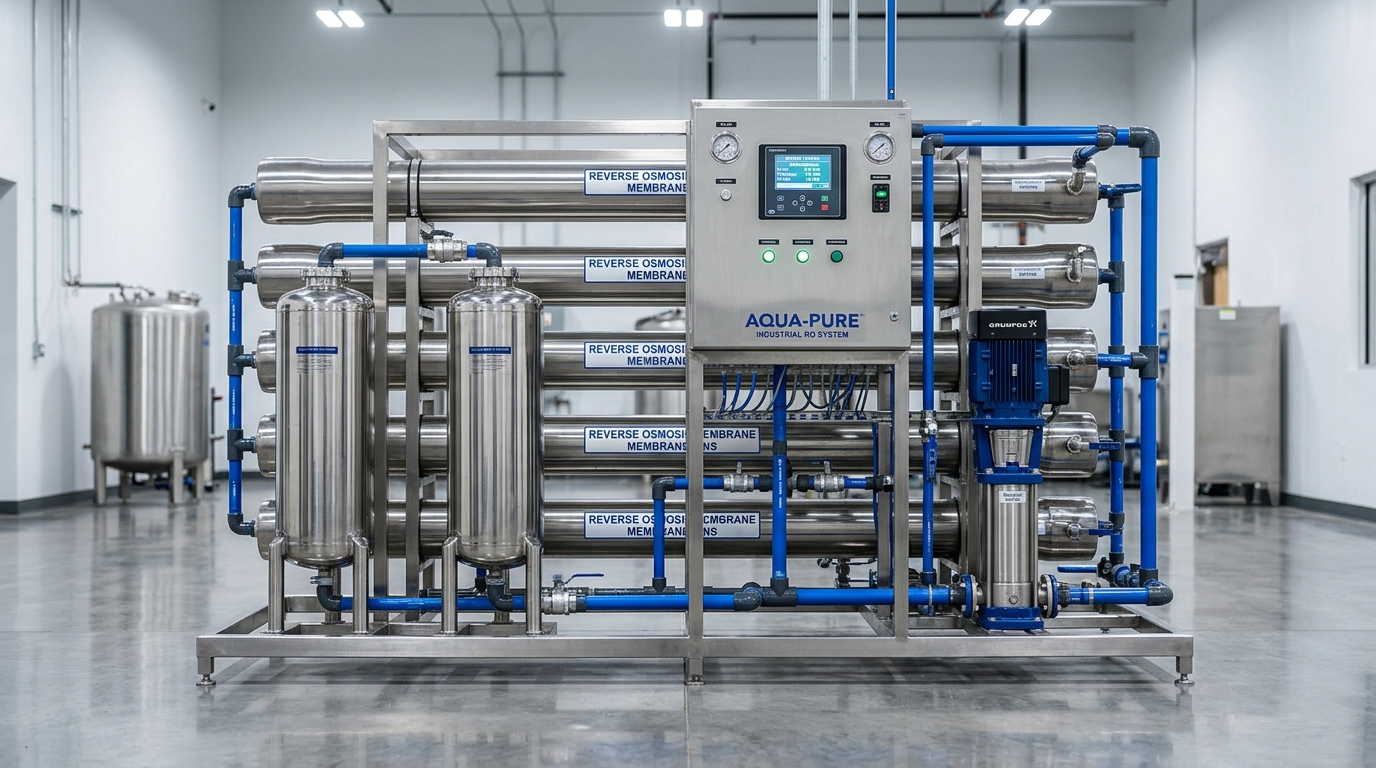
Given that dietary intake, including water, is a primary exposure route, ensuring clean drinking water is paramount. Advanced water purification systems, such as those utilizing reverse osmosis (RO) technology like AMPAC USA’s commercial and industrial systems, are highly effective at removing these persistent chemicals. Additionally, minimizing consumption of potentially contaminated foods and avoiding products containing PFAS can help reduce overall exposure.