
\n\n
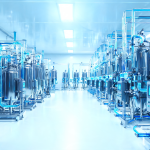
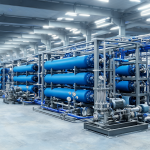
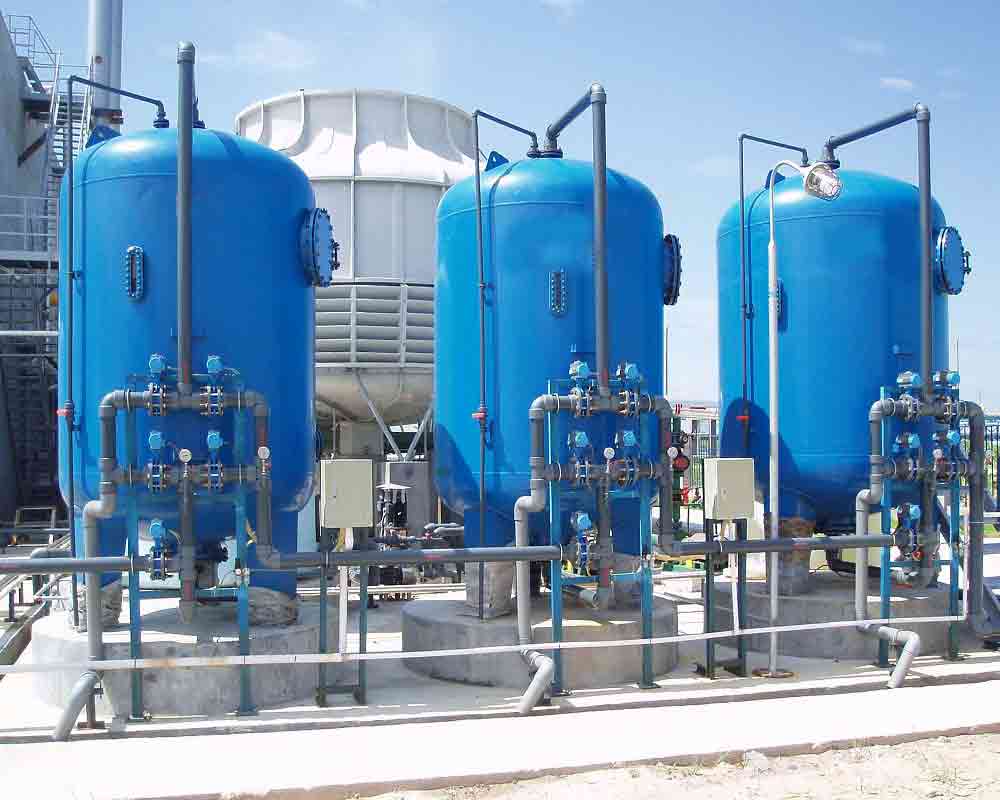
We just wrapped up installing two Water Treatment / Water Separation Systems for oil fields in Trinidad and Tobago.
\n\n
This water comes out right along with the oil. Our Water Treatment Systems have many steps to get hydrocarbons out of the water. Then, we treat it with a reverse osmosis process so people can drink it at the camp sites.
\n\n
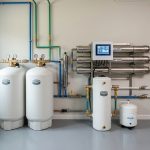
AMPAC USA is a top maker of advanced water purification and reverse osmosis equipment. We build commercial reverse osmosis drinking water systems, and even residential drinking water filtration and purification systems. Check out some of our custom reverse osmosis systems for homes, businesses, industrial sites, labs, ROWPU, HBWRO, and seawater desalination.
\n\n
We also make really good, tough mobile solar power systems, oil separators, waste water treatment systems, water coolers, automatic media filters, cartridge filters, water softeners, UV sterilizers, chemical dosing systems, ozone systems, and custom built water treatment equipment. And we offer them at great prices.
\n\n
Cleaning Up Produced Water in the Oil and Gas Industry
\n\n
Produced water — that water that mixes with crude oil and natural gas as it comes out of the ground — is the biggest waste stream the oil and gas industry creates worldwide. For every barrel of oil pulled up, you typically get 3 to 10 barrels of produced water. In older fields, like those in Trinidad and Tobago, that ratio can be even higher. Dealing with this water isn’t just a good idea, it’s a must-do for both operations and the environment.
\n\n
Produced water has a complicated mix of bad stuff, like dispersed and dissolved hydrocarbons, naturally occurring radioactive materials (NORM), heavy metals, dissolved solids (often 10,000–300,000 mg/L), bacteria, and minerals that cause scale. You can’t just dump untreated water in most places. The smarter way is to treat it and reuse it — for irrigation, industrial processes, or even to make drinking water for people working in the field.
\n\n
Our oilfield water treatment systems use a multi-stage process designed specifically for what’s in produced water. First, we use induced gas flotation (IGF) or API gravity separators to get rid of free oil. Then, we use coagulation, flocculation, media filtration, and activated carbon to reduce any leftover hydrocarbons, suspended solids, and organic compounds. The last step is reverse osmosis, which brings down TDS, heavy metals, and dissolved organics to EPA and WHO drinking water standards. This makes the water safe to drink at campsites and for industrial reuse.
\n\n
These Trinidad and Tobago installations show our proven skill in oil-producing areas across the Caribbean and Latin America. Our systems can handle the high-salinity, high-hydrocarbon produced water common in mature fields, with capacities from 5,000 GPD to over 500,000 GPD. We build custom skid-mounted units, so they’re easy to set up quickly in the field with very little construction work.
AMPAC USA engineers custom water purification systems for commercial, industrial, and emergency applications — from 500 GPD to multi-million GPD. Trusted by municipalities, military, and industry worldwide.