Quick Answer: Dogs need approximately 1 ounce (30 ml) of water per pound of body weight per day. A 50-pound dog needs roughly 50 ounces (about 1.5 liters) daily. Activity level, diet type (dry kibble vs. wet food), temperature, and health status all affect actual needs. Always provide fresh, clean water and watch for signs of dehydration: dry nose, sunken eyes, lethargy, and inelastic skin.
Being a dog parent is not something you should take lightly. Dogs also need nutrition as we do, and if you don’t ensure that, your dogs’ health might be compromised. In addition to ensuring that your dog is getting adequate protein, carbohydrates, fats, minerals, and vitamins, you should also ensure that your dog is getting enough water per day. One question that people often ask regarding water for dogs is how much water does their dog needs? We have tried to find the right answer below.
Water Loss is Common
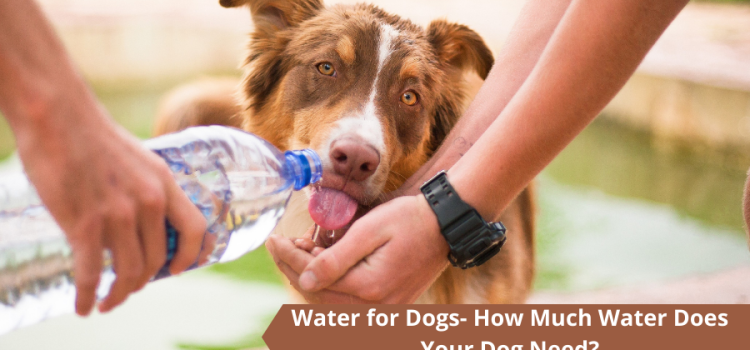
Dog owners would know that a dog’s body loses water all day. A dog will lose water when they sweat through their paws, and they will lose water when they pee or poop. A dog also loses water when they pant.
If your dog loses too much water, about 10-15% of the water in their body, they can get very sick, and it might also prove fatal. So, as a dog parent, you need to replace the water they are losing.
How Much Water Does Your Dog Needs?
You should ensure that your dog gets at least an ounce of water daily for each pound they weigh. So, if your dog weighs 25 pounds, you need to give them 25 ounces of water daily.
How to Ensure Your Dog Gets Plenty of Water?
Here are some simple tips to make your dog drink plenty of water daily:
Track how much water your dog drinks by making a note of how high you have filled their water bowl and then noting how far the level has dropped on the next day.
- Make sure the water bowl is placed within reach of your dog.
- Change the water daily and clean the bowl every day.
- If needed, refill the bowl many times a day.
- Take cool water with you when you and your dogs intend to play outdoors.
- Add ice to the water for your dog when it’s hot out, and your dog has to stay outdoors.
- Keep the bathroom closed so that your dog doesn’t drink water from the toilet.
How to Recognize the Signs of Dehydration in a Dog?
These are the signs of dehydration in a dog.
- No interest in food
- Lower energy levels
- Dry mouth
- Sunken eyes
If you notice any of these signs, you should talk to a vet immediately.
Give Top Quality Water to Your Dogs
You should give your dog pure and contamination-free water, like water filtered through a reverse osmosis system. Make sure you buy an RO system from a manufacturer like AMPAC USA to ensure that you get a maintenance manual with each product and quality customer service that helps you to keep the RO system in top shape.
Our water treatment systems use the best Reverse Osmosis, Seawater Desalination, and water technologies of International standards for industrial, On-shore, and Offshore applications.
To know more, call us on 909-548-4900 or visit us here.
Reference:
https://pets.webmd.com/dogs/water-dog-health#2
Adequate hydration is as essential for canine health as for human health — water makes up approximately 60-70% of a dog’s body weight and participates in every physiological process including temperature regulation, joint lubrication, nutrient transport, waste elimination, and organ function. Dogs do not have the same efficient sweat-based cooling mechanisms as humans — their primary cooling method is panting, which causes substantial respiratory water loss in hot weather or during exercise. This means that dogs can become dehydrated more rapidly than humans under conditions of heat or exercise stress.
The general guidance of 1 ounce of water per pound of body weight per day provides a useful baseline, but actual needs vary considerably. Dogs eating dry kibble (approximately 10% moisture) need more drinking water than dogs on wet food diets (approximately 70-80% moisture, which contributes significantly to daily fluid intake). Active dogs, lactating or pregnant females, dogs in hot climates, and dogs recovering from illness all have elevated water requirements. Senior dogs may have reduced thirst drive despite unchanged hydration needs, requiring active monitoring and encouragement to maintain adequate intake.
Water quality matters for pets as well as people. Dogs face the same exposure to chlorine, heavy metals, nitrates, and other tap water contaminants as their owners. Fluoride at levels found in fluoridated tap water has been associated with osteosarcoma (bone cancer) in some large-breed dog studies, though evidence is debated. Lead in water has the same neurotoxic potential in dogs as in humans. Many veterinarians recommend filtered water for pets, particularly for animals with chronic kidney disease, urinary tract issues, or immune system conditions. The same AMPAC USA home RO system that protects family members benefits the family’s pets as well.
Frequently Asked Questions
How much water does a dog typically need daily?
Dogs generally require approximately 1 ounce (30 ml) of water per pound of body weight each day. For example, a 50-pound dog needs about 50 ounces (1.5 liters) daily. This is a baseline, as individual needs can vary based on several factors.
What are the key signs of dehydration in dogs?
Key signs of dehydration in dogs include a dry nose, sunken eyes, lethargy, and inelastic skin. Other indicators are a dry mouth, lack of interest in food, and lower energy levels. If you observe these symptoms, consult a veterinarian immediately.
How can I ensure my dog drinks enough water daily?
To encourage adequate water intake, track how much your dog drinks, ensure the bowl is always within reach, and change/clean the water daily. For active or hot conditions, offer cool water with ice, and always keep toilet lids closed to prevent unsanitary drinking.
What are the risks if a dog doesn’t drink enough water?
Insufficient water intake can lead to serious health issues, as dogs lose water throughout the day via panting, sweating through paws, and waste elimination. A loss of just 10-15% of their body’s water can cause severe illness and potentially be fatal. Maintaining hydration is crucial for preventing these risks.
What factors influence a dog’s daily water requirements?
A dog’s daily water needs are influenced by several factors beyond just body weight. These include their activity level, the type of diet they consume (dry kibble requires more water than wet food), ambient temperature, and their overall health status. Always monitor these variables to adjust water availability.
Need a Water Treatment Solution?AMPAC USA engineers custom water purification systems for commercial, industrial, and emergency applications — from 500 GPD to multi-million GPD. Trusted by municipalities, military, and industry worldwide.