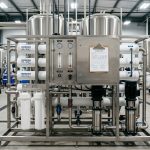

Water Treatment History Easter is a critical aspect of modern water treatment. AMPAC USA provides industry-leading solutions that ensure safe, clean water for residential, commercial, and industrial applications. Our systems are engineered for maximum contaminant removal and long-term reliability.
This year Easter will be celebrated on April 1, a holiday that celebrates the resurrection of Jesus Christ. Called a moveable feast because it doesn’t occur on the same date each year, Easter is one of the most important holidays in Christianity. The date decided as per the Churches in the West which follow the Gregorian calendar, is the first full moon after the vernal equinox in March. This, therefore, sets the date anywhere between March 22 and April 25. The Orthodox Christians usually celebrate Easter a week or two after the Churches in the West according to the Julian calendar.
History of Easter
Some sources reveal that the name comes from Eostre, a Teutonic Goddess of Spring and Fertility although the exact origin remains unknown. Some other sources relate the term to another Latin term hebdomada alba which means ‘White Week’. The white is a reference to ancient times when white clothes were worn by people who were baptized during the week. After an error in translation, the word esostarum was found in Old High German that later was adapted as Easter in English.
Religious Roots
Easter is not just a single day but a season in the Christian year. Lent, is a 40 day period that leads up to Easter Sunday and is used for retrospection and penance.
- It is believed that Lord Jesus roamed in the wilderness avoiding the temptations from the devil for 40 days before forming his ministry.
- The last day before Lent is known as Mardi Gras or the Fat Tuesday, the last day of food and fun before fasting is undertaken.
- A week before Easter is called the Holy Week. This includes Maundy Thursday, commemorating the last supper Jesus had with his disciples.
- Good Friday when Lord Jesus was crucified and Holy Saturday which is the transition between crucifixion and resurrection.
- The 50 days after Easter are known as Eastertide which celebrates the Lord’s ascension to Heaven.
Easter is celebrated all around the world and over the years, has associated itself with Easter eggs, Easter bunnies baskets and candies. Some of these are derived from Pagan traditions while others have evolved over the centuries.
Ampac USA wishes all its readers, customers, stakeholders and personnel a joyful and extraordinary Easter.
About Author:
Ampac USA is a manufacturer of water treatment systems used around the globe for quality drinking water. The company has an experience of over 40 years, uses the latest technology to provide a standard, reliable products and works with experts to give the best possible service.
What flow rates are available for emergency water treatment?
AMPAC USA's emergency systems range from 1,500 GPD portable units to 50,000+ GPD trailer-mounted systems. Military-specification units are available for forward operating base deployment, producing potable water meeting EPA and WHO drinking water standards from virtually any source.
Are emergency RO systems suitable for disaster relief operations?
Yes. AMPAC USA's emergency systems are used by FEMA, the U.S. military, and international NGOs for disaster relief. They treat flood water, contaminated groundwater, and brackish sources, removing bacteria, viruses, and chemical contaminants to produce safe drinking water on-site.
What power sources can emergency water purification systems use?
AMPAC USA's emergency systems can run on generator power (120/240V or 480V 3-phase), solar panels with battery backup, or vehicle power take-off (PTO). Low-power models consume as little as 0.5 kW, making them viable for off-grid deployment.
How durable are military-grade water purification systems?
AMPAC USA's military systems are built to MIL-SPEC standards with stainless steel frames, powder-coated components, and UV-resistant materials. They are designed to operate in temperatures from -20°F to 120°F and are vibration-tested for transport in military vehicles.

![Reverse Osmosis Membrane Lifespan: How Long Do RO Membranes Last? [Maintenance Guide]](https://www.ampac1.com/blog/wp-content/uploads/2026/03/membrane-lifespan-150x150.png)