

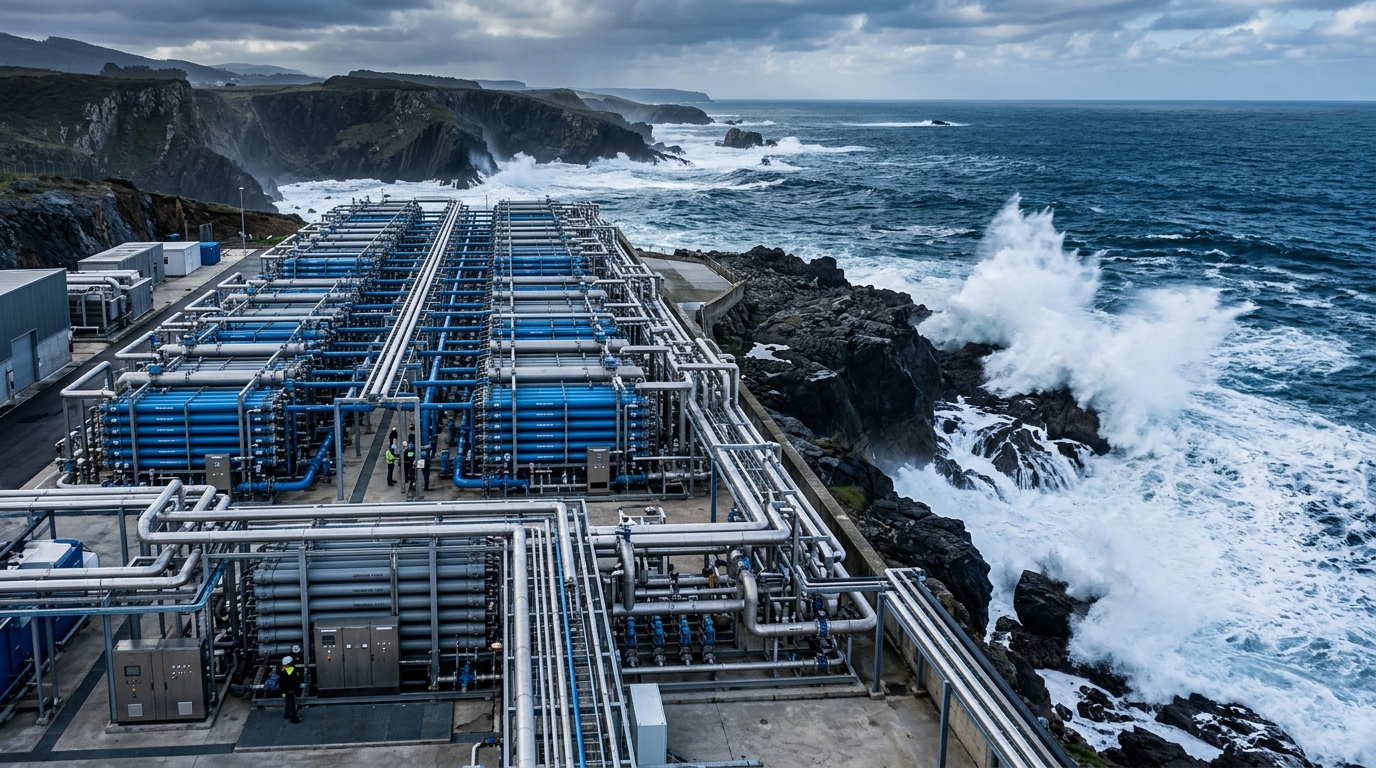

It’s weird, isn’t it? Countries surrounded by endless ocean still struggle for fresh water. We’re talking about a real problem, <a href="https://www.ampac1.com/blog/ampac-usa-has-just-installed-a-seawater-desalination-system-on-a-philippines-new-navy-ship/" href="https://www.water scarcity, that makes sustainable living tough. That’s why these nations are really looking at How Seawater Desalination is Changing Lives?
Stronger Against Climate Change
Climate change makes water shortages even worse, especially for islands and coastal areas dealing with rising seas, droughts, and crazy weather. Seawater desalination systems act like a shield against these problems, making oceanic countries tougher. By having more water sources, these nations can handle and adjust to the changing climate better, keeping their communities and natural spaces safe.
Better Tech, More Sustainable
Desalination technology has come a long way. It’s more energy-efficient and kinder to the environment now. Modern methods, like reverse osmosis, use less energy, which means less carbon pollution. Plus, people are always looking into using renewable energy for desalination. That’s going to make this water source even more sustainable, fitting right in with global efforts to fight climate change.
Dealing with the Downsides
Desalination is a crucial fix, but it’s not perfect. People worry about how to get rid of the salty leftover water and how much energy the plants use. So, we need smart ways to lessen any bad effects. Oceanic countries are leading the charge in finding and using the best ways to do desalination sustainably. They’re making sure we get all the good from this tech while keeping any problems to a minimum.
Read: The Future of Clean Water: AMPAC USA’s Seawater Desalination System
Good for Health, Good for Communities
Having clean water is basic for good health and happy communities in oceanic countries. Seawater desalination really helps stop waterborne diseases and makes life better by providing safe drinking water. Fresh water from these plants helps with hygiene, sanitation, and healthcare, which is a huge boost to how coastal communities develop socially and economically.
Farms and Factories Need It Too
It’s not just about drinking water. Desalination also gives farms and factories in oceanic countries the fresh water they need. This is super important where fresh water is scarce or polluted. Desalinated water means we can grow crops in dry coastal areas, helping food security, and it supports industries that are vital for jobs and economic growth.
Working Together, Globally
Desalination projects are often big and complicated, so countries usually need to work together. When oceanic countries partner with global groups, they can share knowledge, technology, and money. This makes desalination projects more efficient and effective. This teamwork not only speeds up how quickly we use desalination, but it also builds a shared commitment to solving the world’s water shortages.
Read: Seawater Desalination: Tapping into Seawater’s Potential for Drinkable Water
What’s Next? New Ideas Coming!
Desalination keeps getting better, and future innovations will really change the game. Research into new methods, like biomimicry and nanotechnology, could cut down energy use and environmental impact a lot. Oceanic countries are in a great spot to benefit from these advances, making sure they have water security for a long, long time.
For countries by the ocean, seawater desalination isn’t just some fancy tech, it’s absolutely essential for them to survive and thrive. By using the ocean’s huge potential, these nations can beat water scarcity, reach their economic goals, and build strong, lasting communities. Getting desalination everywhere won’t be easy, but with new ideas, teamwork, and dedication, the future of water security in oceanic regions looks really bright.
See our seawater desalination systems engineered for coastal and island installations.
Frequently Asked Questions
Why do island nations and coastal regions struggle with freshwater scarcity?
Despite being surrounded by vast oceans, many island nations and coastal regions have limited access to natural freshwater sources like rivers, lakes, or reliable groundwater. These conventional sources are often insufficient, prone to contamination, or highly variable due to climate patterns, making seawater desalination a critical necessity for consistent potable water supply. AMPAC USA’s engineers have witnessed this challenge firsthand in over 150 countries.
How does seawater desalination support economic growth in oceanic countries?
Seawater desalination provides a stable and reliable water supply essential for key economic sectors such as tourism, agriculture, and manufacturing. By ensuring water availability for irrigation, industrial processes, and service industries, desalination reduces reliance on finite freshwater, fostering sustainable development and prosperity. AMPAC USA’s systems have been instrumental in supporting diverse economic activities from luxury resorts to food & beverage plants.
What role does desalination play in enhancing climate resilience for vulnerable nations?
Desalination systems act as a crucial buffer against the impacts of climate change, including prolonged droughts, rising sea levels, and extreme weather events that threaten conventional water sources. By diversifying their water supply, oceanic countries can better adapt to changing environmental conditions, protecting their communities and ecosystems. AMPAC USA’s robust designs are engineered to withstand challenging environments, from offshore oil rigs to military bases.
Is modern seawater desalination an energy-efficient and sustainable solution?
Yes, modern desalination technologies, particularly Reverse Osmosis (RO), have significantly improved in energy efficiency compared to older methods. Ongoing research and development, including the integration of renewable energy sources, further enhance the sustainability and reduce the carbon footprint of water production. AMPAC USA designs and manufactures advanced RO systems optimized for efficiency and long-term environmental responsibility.
What specific technology is primarily used in commercial seawater desalination systems?
The predominant technology used in commercial seawater desalination systems today is Reverse Osmosis (RO). This process utilizes high pressure to force seawater through semi-permeable membranes, effectively separating salts and impurities to produce potable water. AMPAC USA specializes in designing and manufacturing high-performance RO systems, leveraging over 30 years of direct field experience in diverse industrial and municipal applications.
AMPAC USA engineers custom water purification systems for commercial, industrial, and emergency applications — from 500 GPD to multi-million GPD. Trusted by municipalities, military, and industry worldwide.