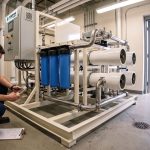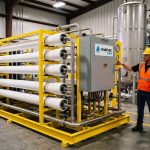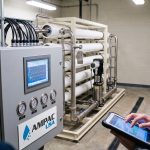

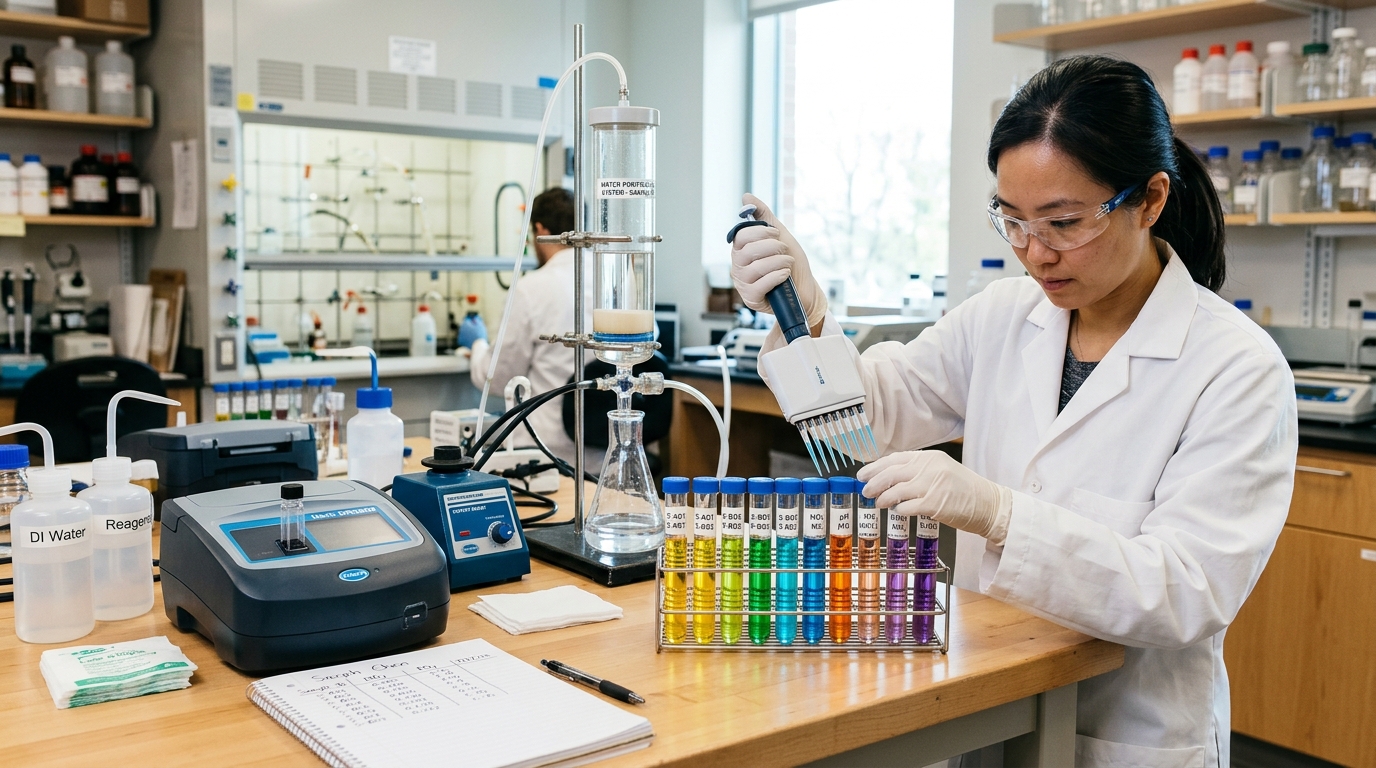

Ultra-short-chain PFAS, the C2-C3 kind like trifluoroacetate (TFA), show up in German and global drinking water sources. We’re talking significant amounts. They’re super water-soluble, move around easily, and conventional treatments like activated carbon barely touch them. Plus, they’re mostly unregulated and stick around in the environment forever. Want to get rid of them? Reverse osmosis and nanofiltration are your best bet, kicking out over 90% of these tough contaminants.
Abstract
PFAS, or per- and polyfluoroalkyl substances, have really grabbed attention in environmental chemistry and chemical regulation lately. In Europe, the focus has shifted from regulating individual PFAS to looking at the whole group. But here’s the thing: PFAS are incredibly diverse, and we still don’t know much about them beyond the older, well-studied long-chain and short-chain PFCAs and PFSAs. We’ve got some data here, both quantitative and semi-quantitative, for 43 of these short-chain and ultra-short-chain PFAS. This means compounds with two or fewer perfluorocarbon atoms for PFCAs, and three or fewer for PFSAs and other PFAS. We pulled 46 water samples from 13 different German drinking water sources. Some of the PFAS we looked at are pretty new, like hexafluoroisopropanol, bis(trifluoromethylsulfonyl)imide, and tris(pentafluoroethyl)trifluorophosphate.
What did we find? Ultra-short-chain PFAS like trifluoroacetate, perfluoropropanoate, and trifluoromethanesulfonate were everywhere. And they were present in the highest concentrations, making up 98% of all the target PFAS we found. It turns out, common "PFAS total" measurements, like adsorbable organic fluorine (AOF) and the total oxidizable precursor (TOP) assay, don't tell the whole story. They miss these very common ultra-short-chain PFAS. These tiny PFAS are a huge problem for producing clean drinking water, and it's clear we need preventative measures to manage them.
The post Ultra-Short-Chain PFASs in the Sources of German Drinking Water: Prevalent, Overlooked, Difficult to Remove, and Unregulated appeared first on Facts About Water.
Source: Water Feed
Related Articles
- Lead Removal Filter: A Crucial Step Toward Safe, Clean Drinking Water
- A national survey of lead and other metal(loids) in residential drinking water in the United States
- Relationships between regulated DBPs and emerging DBPs of health concern in U.S. drinking water
- Factors Related to Water Filter Use for Drinking Tap Water at Home and Its Association With Consuming Plain Water and Sugar-Sweetened Beverages Among U.S. Adults
Frequently Asked Questions
What are ultra-short-chain PFAS and why are they concerning in drinking water?
Ultra-short-chain PFAS are per- and polyfluoroalkyl substances with very short carbon chains (C2–C3), including trifluoroacetate (TFA). They are highly water-soluble, mobile, and ubiquitous in drinking water sources globally, making them difficult to contain and remove. Their prevalence and resistance to conventional treatment pose a significant challenge for water purification.
What is the most effective way to remove ultra-short-chain PFAS from drinking water?
Reverse osmosis (RO) and nanofiltration are the most effective technologies for removing ultra-short-chain PFAS from drinking water. These advanced membrane separation processes can achieve over 90% rejection of these challenging contaminants, which are resistant to conventional methods like activated carbon. AMPAC USA designs and manufactures industrial RO systems specifically for such demanding purification needs.
Why are ultra-short-chain PFAS harder to treat than other PFAS compounds?
Ultra-short-chain PFAS are more water-soluble and mobile than their longer-chain counterparts, making them resistant to common treatment methods like activated carbon. Additionally, standard ‘PFAS total’ parameters such as adsorbable organic fluorine (AOF) and total oxidizable precursor (TOP) assays often fail to capture their presence, leading to an incomplete picture of contamination.
Which specific ultra-short-chain PFAS are most commonly found in drinking water sources?
The ultra-short-chain PFAS trifluoroacetate (TFA), perfluoropropanoate, and trifluoromethanesulfonate are ubiquitous and found at the highest concentrations in drinking water sources. In German samples, these compounds alone constituted 98% of the sum target PFAS concentrations, highlighting their widespread presence.
Are ultra-short-chain PFAS currently regulated in drinking water?
Ultra-short-chain PFAS are largely unregulated, despite their prevalence and persistence. While there is a shift in Europe towards a broader PFAS group regulatory approach, specific regulations for these ultra-short-chain compounds are still developing. This lack of regulation underscores the need for preventive measures and advanced treatment solutions like reverse osmosis.
AMPAC USA engineers custom water purification systems for commercial, industrial, and emergency applications — from 500 GPD to multi-million GPD. Trusted by municipalities, military, and industry worldwide.