
Quick Answer: ampac1.com/blog/pros-and-cons-of-seawater-desalination-reverse-osmosis-swro-process/”>Reverse osmosis systems clean water better than almost any other point-of-use filter, but they aren’t for everyone. Knowing the real pros and cons helps you pick the right system. The good stuff? They remove 90-99% of dissolved solids. AMPAC USA’s commercial and industrial systems are built to handle tough water problems, and we can prove their performance.
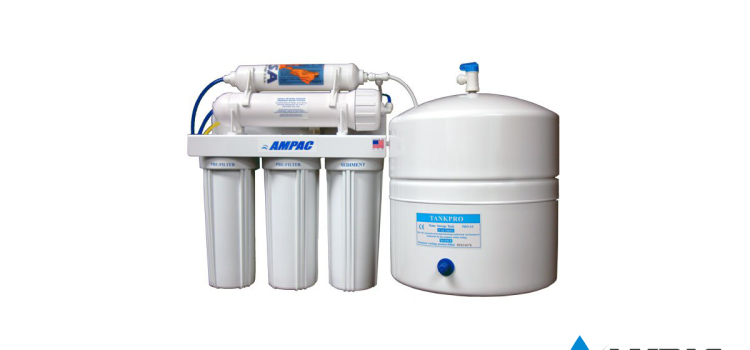
\nReverse Osmosis is amazing at getting contaminants out of water. This process, discovered about 300 years ago, is everywhere now. You’ll find it in simple home filters for drinking water, and it’s essential for high-quality water in industries like food and military.\n\nIt works great for small jobs, and it’s perfect for huge ones too.\n\nThe benefits of these systems are different for every industry. Our big systems are super efficient, taking out up to 99% of all dissolved salts. Because of how the membrane works, these systems are fantastic for desalination, stopping salt molecules from getting through. For a big industrial filter system, you usually don’t need special permits or chemicals unless you’re aiming for a very specific water type. These systems are easy to use, low on maintenance time, and don’t cost a lot to keep running. Plus, a huge bonus: they’re good for the environment and pretty much harmless.\n\nThese powerful systems do have a few downsides. You need to prep the water before treatment, usually with chemicals and carbon filters. For example, you have to dechlorinate the water. Chlorine can destroy the membrane and will stay in your treated water. You also need chemicals to clean the membrane, keep it working, and stop scaling before treatment to get the best results. Some water types just can’t be treated, like water with high levels of Barium or Silica. These elements cause scaling, which makes the whole process useless. The water also has to be free of any tiny particles that carbon filters miss, as these can block the membrane’s pores. Also, industrial reverse osmosis systems have a smaller temperature range than other processes. And while reverse osmosis systems are great at removing almost everything, that means they reject a lot of water. You’ll get less clean water out than what goes in. \n\nReverse osmosis systems keep getting better, and they’ll overcome their current challenges. Even with some limitations, their advantages easily win out. That’s why industries all over the world still use this process every day.
AMPAC USA engineers custom water purification systems for commercial, industrial, and emergency applications — from 500 GPD to multi-million GPD. Trusted by municipalities, military, and industry worldwide.