
Quick Answer: Water stagnation in storage tanks accelerates disinfectant decay, promotes microbial growth, increases DBP formation, and can cause leaching of tank materials into the water. Effective controls include minimizing retention time, maintaining disinfectant residuals, implementing active mixing, and selecting tank materials with low chemical interaction potential.
By:Damian, L (Damian, Laura)[ 1 ] ; Patachia, S (Patachia, Silvia)[ 1 ] ; Scarneciu, I (Scarneciu, Ioan)[ 2 ]
ENVIRONMENTAL ENGINEERING AND MANAGEMENT JOURNAL
Volume: 18
Issue: 5
Pages: 1089-1095
Published: MAY 2019
Document Type:Article
Abstract
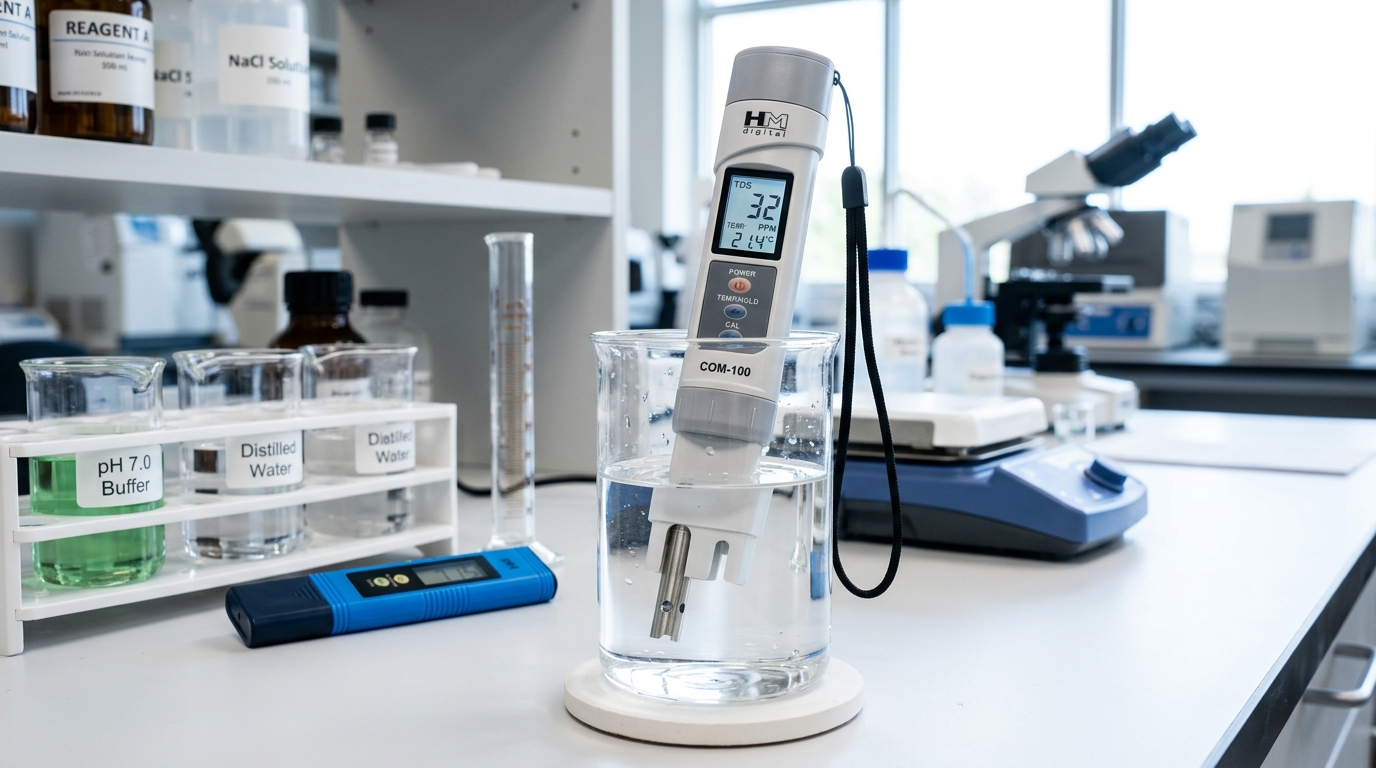
This study presents the influence of the storage recipients’ material and of the use and the type of stirring on the drinking water quality. The kinetics of drinkable water quality alteration under stationary conditions and under magnetic and sonical stirring have been monitored for a two weeks period. The microbiological parameters (total number of germs developed at 37 degrees C and 22 degrees C, lactose-positive and lactose-negative bacteria, coliform bacteria and Echerichia coli), as well as the physico-chemical ones (turbidity and chlorine amount) have been determined on a daily basis, indicating different alteration degrees of the drinkable water, as a function of storage period and regime. It was found that glass not stimulate microbial growth while polyethylene recipients represents a high risk factor from the bacterial growth point of view. Mechanical stirring as well as sonication are able to significantly reduce the formation of the biofilm on the wall of the storage tanks, irregarding of the material from which the recipients are made of. Sonication has been proven to be inefficient for water storage in polyethylene recipients, due to the increase of the temperature and consequently of the planktonic bacteria activity.
What flow rates are available for emergency water treatment?
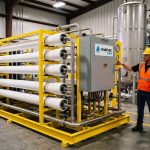
AMPAC USA's emergency systems range from 1,500 GPD portable units to 50,000+ GPD trailer-mounted systems. Military-specification units are available for forward operating base deployment, producing potable water meeting EPA and WHO drinking water standards from virtually any source.
Are emergency RO systems suitable for disaster relief operations?
Yes. AMPAC USA's emergency systems are used by FEMA, the U.S. military, and international NGOs for disaster relief. They treat flood water, contaminated groundwater, and brackish sources, removing bacteria, viruses, and chemical contaminants to produce safe drinking water on-site.
What power sources can emergency water purification systems use?
AMPAC USA's emergency systems can run on generator power (120/240V or 480V 3-phase), solar panels with battery backup, or vehicle power take-off (PTO). Low-power models consume as little as 0.5 kW, making them viable for off-grid deployment.
How durable are military-grade water purification systems?
AMPAC USA's military systems are built to MIL-SPEC standards with stainless steel frames, powder-coated components, and UV-resistant materials. They are designed to operate in temperatures from -20°F to 120°F and are vibration-tested for transport in military vehicles.
Conclusion
This post highlighted how emergency and military-grade water purification systems provide safe drinking water rapidly in the most challenging field conditions. For organizations requiring deployable water treatment capability, AMPAC USA engineers portable and trailer-mounted systems built to perform wherever they are needed. Contact our team at [email protected] or (909) 548-4900 to discuss your emergency water treatment requirements.
Engineering Controls for Storage Tank Water Quality
Research on water deterioration in distribution storage tanks demonstrates that even treated water undergoes measurable quality changes during storage. A combination of chemical, physical, and biological processes occurs simultaneously: free chlorine decays through reactions with natural organic matter (NOM) and pipe materials; temperature elevation (particularly in summer) accelerates bacterial metabolism; and low-flow or dead-end zones allow suspended particles to settle and biofilms to colonize smooth surfaces.
Studies by Damian et al. and similar researchers have quantified how organic carbon, turbidity, and heterotrophic bacteria counts increase proportionally with detention time. Polycarbonate, polyethylene, and certain coating materials can leach plasticizers and monomers under prolonged water contact — an important consideration for tank material selection. Stainless steel (316L grade) and NSF 61-certified coatings are preferred for potable water storage when long retention periods are expected.
Temperature stratification is a particularly under-appreciated factor. In tall tanks, cold inlet water at the bottom and warm surface water creates thermal barriers that inhibit natural mixing. This stratification accelerates differential disinfectant decay across tank depth, creating zones of inadequately disinfected water. Mitigation strategies include mechanical mixers (impeller or hydraulic jet systems) and strategic inlet positioning to break stratification. For industrial applications, AMPAC USA can configure recirculation and re-dosing systems to maintain residuals throughout long storage periods.
Q: What materials are safest for potable water storage tanks?
A: NSF/ANSI 61-certified materials are required for potable water contact. Stainless steel 316L, food-grade fiberglass with NSF-approved liners, and HDPE tanks all perform well. Avoid galvanized steel and older concrete tanks without proper coatings.
Q: Does temperature affect water quality deterioration in tanks?
A: Significantly. Higher temperatures accelerate chemical reaction rates, increase bacterial growth rates (especially Legionella above 25°C), and promote greater disinfectant decay. Insulating tanks or locating them underground helps maintain lower temperatures.
Q: How does tank stratification affect water quality?
A: Thermal stratification creates layers of different temperatures that resist mixing. The warmer upper layer becomes a zone of accelerated bacterial growth and rapid disinfectant decay, while the cooler lower zone may have excess stagnation with low dissolved oxygen.
Q: What is the relationship between NOM and disinfectant decay?
A: Natural organic matter (NOM) reacts with chlorine disinfectants, consuming residuals and forming disinfection byproducts (DBPs) such as trihalomethanes. Higher NOM concentrations lead to faster disinfectant decay and increased DBP formation during storage.
Q: Can storage tanks be a source of taste and odor problems?
A: Yes. Microbial metabolites (geosmin, 2-MIB), corrosion byproducts, and degradation of tank coatings are all documented sources of taste and odor complaints associated with storage tank water.
Engineering Controls for Storage Tank Water Quality
Research on water deterioration in distribution storage tanks demonstrates that even treated water undergoes measurable quality changes during storage. A combination of chemical, physical, and biological processes occurs simultaneously: free chlorine decays through reactions with natural organic matter (NOM) and pipe materials; temperature elevation (particularly in summer) accelerates bacterial metabolism; and low-flow or dead-end zones allow suspended particles to settle and biofilms to colonize smooth surfaces.
Studies by Damian et al. and similar researchers have quantified how organic carbon, turbidity, and heterotrophic bacteria counts increase proportionally with detention time. Polycarbonate, polyethylene, and certain coating materials can leach plasticizers and monomers under prolonged water contact — an important consideration for tank material selection. Stainless steel (316L grade) and NSF 61-certified coatings are preferred for potable water storage when long retention periods are expected.
Temperature stratification is a particularly under-appreciated factor. In tall tanks, cold inlet water at the bottom and warm surface water creates thermal barriers that inhibit natural mixing. This stratification accelerates differential disinfectant decay across tank depth, creating zones of inadequately disinfected water. Mitigation strategies include mechanical mixers (impeller or hydraulic jet systems) and strategic inlet positioning to break stratification. For industrial applications, AMPAC USA can configure recirculation and re-dosing systems to maintain residuals throughout long storage periods.
Q: What materials are safest for potable water storage tanks?
A: NSF/ANSI 61-certified materials are required for potable water contact. Stainless steel 316L, food-grade fiberglass with NSF-approved liners, and HDPE tanks all perform well. Avoid galvanized steel and older concrete tanks without proper coatings.
Q: Does temperature affect water quality deterioration in tanks?
A: Significantly. Higher temperatures accelerate chemical reaction rates, increase bacterial growth rates (especially Legionella above 25°C), and promote greater disinfectant decay. Insulating tanks or locating them underground helps maintain lower temperatures.
Q: How does tank stratification affect water quality?
A: Thermal stratification creates layers of different temperatures that resist mixing. The warmer upper layer becomes a zone of accelerated bacterial growth and rapid disinfectant decay, while the cooler lower zone may have excess stagnation with low dissolved oxygen.
Q: What is the relationship between NOM and disinfectant decay?
A: Natural organic matter (NOM) reacts with chlorine disinfectants, consuming residuals and forming disinfection byproducts (DBPs) such as trihalomethanes. Higher NOM concentrations lead to faster disinfectant decay and increased DBP formation during storage.
Q: Can storage tanks be a source of taste and odor problems?
A: Yes. Microbial metabolites (geosmin, 2-MIB), corrosion byproducts, and degradation of tank coatings are all documented sources of taste and odor complaints associated with storage tank water.
Engineering Controls for Storage Tank Water Quality
Research on water deterioration in distribution storage tanks demonstrates that even treated water undergoes measurable quality changes during storage. A combination of chemical, physical, and biological processes occurs simultaneously: free chlorine decays through reactions with natural organic matter (NOM) and pipe materials; temperature elevation (particularly in summer) accelerates bacterial metabolism; and low-flow or dead-end zones allow suspended particles to settle and biofilms to colonize smooth surfaces.
Studies by Damian et al. and similar researchers have quantified how organic carbon, turbidity, and heterotrophic bacteria counts increase proportionally with detention time. Polycarbonate, polyethylene, and certain coating materials can leach plasticizers and monomers under prolonged water contact — an important consideration for tank material selection. Stainless steel (316L grade) and NSF 61-certified coatings are preferred for potable water storage when long retention periods are expected.
Temperature stratification is a particularly under-appreciated factor. In tall tanks, cold inlet water at the bottom and warm surface water creates thermal barriers that inhibit natural mixing. This stratification accelerates differential disinfectant decay across tank depth, creating zones of inadequately disinfected water. Mitigation strategies include mechanical mixers (impeller or hydraulic jet systems) and strategic inlet positioning to break stratification. For industrial applications, AMPAC USA can configure recirculation and re-dosing systems to maintain residuals throughout long storage periods.
Frequently Asked Questions
Q: How does stagnation affect water chemistry in tanks?
A: Stagnation depletes dissolved oxygen, accelerates disinfectant decay, raises bacterial counts, increases dissolved metals from corrosion, and can elevate disinfection byproducts (DBPs) including trihalomethanes and haloacetic acids.
Q: What materials are safest for potable water storage tanks?
A: NSF/ANSI 61-certified materials are required for potable water contact. Stainless steel 316L, food-grade fiberglass with NSF-approved liners, and HDPE tanks all perform well. Avoid galvanized steel and older concrete tanks without proper coatings.
Q: Does temperature affect water quality deterioration in tanks?
A: Significantly. Higher temperatures accelerate chemical reaction rates, increase bacterial growth rates (especially Legionella above 25°C), and promote greater disinfectant decay. Insulating tanks or locating them underground helps maintain lower temperatures.
Q: How does tank stratification affect water quality?
A: Thermal stratification creates layers of different temperatures that resist mixing. The warmer upper layer becomes a zone of accelerated bacterial growth and rapid disinfectant decay, while the cooler lower zone may have excess stagnation with low dissolved oxygen.
Q: What is the relationship between NOM and disinfectant decay?
A: Natural organic matter (NOM) reacts with chlorine disinfectants, consuming residuals and forming disinfection byproducts (DBPs) such as trihalomethanes. Higher NOM concentrations lead to faster disinfectant decay and increased DBP formation during storage.
Q: Can storage tanks be a source of taste and odor problems?
A: Yes. Microbial metabolites (geosmin, 2-MIB), corrosion byproducts, and degradation of tank coatings are all documented sources of taste and odor complaints associated with storage tank water.
Need a Water Treatment Solution?

AMPAC USA engineers custom water purification systems for commercial, industrial, and emergency applications — from 500 GPD to multi-million GPD. Trusted by municipalities, military, and industry worldwide.
AMPAC USA manufactures advanced reverse osmosis and water purification systems for industrial, commercial, marine, and residential applications worldwide.